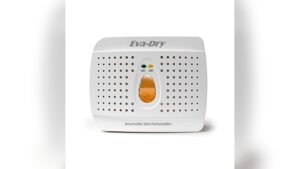
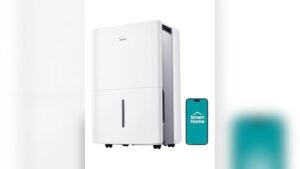
A dehumidifier helps remove extra moisture from the air. It keeps your home dry and comfortable. But where should you put your dehumidifier? This guide will help you find the best spots in your home. You will learn why location matters and how to get the most from your device.

Credit: allergyconsumerreview.com
Why Does Location Matter for a Dehumidifier?
Placing a dehumidifier in the right place helps it work better. If you put it in the wrong spot, it might not remove moisture well. You can waste energy and money. Also, some areas need more drying than others. So, think about where your home is wet or damp.
How to Choose the Best Place for Your Dehumidifier
Here are some easy tips to pick the right spot:
- Choose a damp area: Pick a place where moisture builds up.
- Keep it central: The dehumidifier works best if air can move around it.
- Keep it away from walls: Leave space around it for good air flow.
- Avoid dusty places: Dust can block the machine and make it less effective.
- Near a power outlet: The device needs electricity, so be close to a plug.
- Easy to empty: Put it where you can empty the water tank easily.

Credit: www.morrisdirect.co.uk
Best Rooms to Place a Dehumidifier
Not all rooms need a dehumidifier. Some rooms are wetter than others. Let’s look at good places to put it.
1. Basement
Basements are usually damp and cold. They often have mold and mildew problems. A dehumidifier here can stop mold from growing. Place it in the center of the basement. Keep it away from walls and furniture. This lets air flow around the machine.
2. Bathroom
Bathrooms get wet from showers and baths. Moist air can cause mold on walls and ceiling. Put a small dehumidifier in the bathroom after use. Place it on the floor, away from water sources. Make sure it is near a power outlet. This helps remove moisture fast.
3. Kitchen
Cooking creates steam and moisture. This can make your kitchen humid. Put a dehumidifier near the cooking area. It will help keep the air dry. Keep some space around it. Avoid placing it too close to the stove or sink.
4. Laundry Room
Wet clothes and machines add moisture to the air. This makes laundry rooms damp. A dehumidifier here helps dry clothes faster. It also stops mold from forming. Put the device near the washing machine or dryer.
5. Living Room
Sometimes living rooms feel damp, especially in old houses. If you notice a musty smell, use a dehumidifier. Place it near windows or doors where air comes in. Keep it in the center of the room for better air flow.
6. Bedroom
Bedrooms can get damp if they are not well ventilated. Moisture can cause allergies or bad smells. Put a small dehumidifier near the bed or closet. This keeps the air fresh and dry while you sleep.
Where NOT to Place a Dehumidifier
Some places are not good for your dehumidifier. Avoid these spots:
- Near heaters or radiators: Heat can damage the device.
- Direct sunlight: Sun can make the machine hot and less effective.
- On soft surfaces: Carpets or rugs block air flow.
- In small, closed spaces: The air cannot move freely.
- Near water sources: Avoid placing it where water can splash on it.
How to Position Your Dehumidifier for Best Performance
Follow these simple steps:
- Place on a flat surface: This keeps it stable and safe.
- Leave space around it: At least 6 to 12 inches on all sides.
- Keep doors and windows closed: This helps the dehumidifier work better.
- Empty the water tank regularly: So it does not overflow.
- Clean filters often: Dust can block airflow.
Using Multiple Dehumidifiers in Large Spaces
If you have a big house or very damp rooms, one dehumidifier may not be enough. You can use more than one. Place each in different rooms or areas. This helps keep the whole house dry.
How to Check if Your Dehumidifier is in the Right Place
Here are signs your dehumidifier is working well:
- The room feels less damp and smells fresh.
- You see less mold and mildew.
- The water tank fills up regularly.
- The machine runs without strange noises.
If you don’t see these signs, try moving the dehumidifier. Test different spots until you find the best place.
Summary: Best Tips for Putting Your Dehumidifier
| Tip | Why It Matters |
|---|---|
| Put it in damp rooms | These areas need drying the most |
| Leave space around the machine | Air needs to move freely for good work |
| Keep it near a power outlet | It needs electricity to run |
| Place on a flat surface | For safety and stability |
| Empty water tank regularly | Prevents overflow and damage |
| Do not block vents or air flow | Ensures effective moisture removal |
Final Thoughts
Where you put your dehumidifier makes a big difference. Choose a damp, open area with space for air to move. Avoid heat, sunlight, and soft surfaces. Keep it near power and easy to empty. Follow these tips for a dry, healthy home. Your dehumidifier will work well and last longer.
Frequently Asked Questions
Where Is The Best Place To Put A Dehumidifier In A Room?
Place the dehumidifier near the dampest area or where moisture collects most. Keep it away from walls for good airflow.
Can I Put A Dehumidifier In A Small Closet?
Small closets often lack airflow, reducing dehumidifier efficiency. Use it in larger spaces or open areas for better results.
Should A Dehumidifier Be Near Windows Or Doors?
Avoid placing it right next to windows or doors. Moist air enters there, making the dehumidifier work harder.
Is It Okay To Put A Dehumidifier In The Basement?
Basements are great spots because they are usually damp. Place it where air flows freely for best moisture control.
As an Amazon Associate, I earn from qualifying purchases.