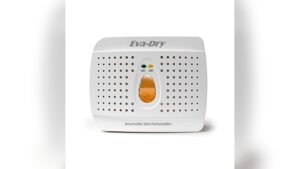
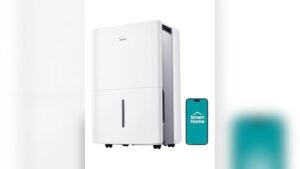
Many people wonder about the difference between an air purifier and a dehumidifier. At first, they might seem similar. Both help improve indoor air quality. But they work in very different ways. This article will explain what each device does. It will also help you decide which one you need for your home.
What Is an Air Purifier?
An air purifier cleans the air inside your home. It removes tiny particles that you cannot see. These particles include dust, pollen, smoke, pet dander, and germs. Air purifiers use filters to trap these particles. Some use special technology to kill bacteria and viruses.
People use air purifiers to help with allergies and asthma. They also use them to reduce bad smells. If you live in a city with a lot of pollution, an air purifier can help make your indoor air cleaner.
How Does An Air Purifier Work?
- Air is pulled into the purifier by a fan.
- The air passes through one or more filters.
- Filters catch dust, pollen, and other particles.
- Clean air is pushed back into the room.
Many air purifiers use HEPA filters. HEPA means “High-Efficiency Particulate Air.” These filters catch very small particles. Some purifiers also use carbon filters to remove bad smells.
What Is a Dehumidifier?
A dehumidifier removes moisture from the air. It lowers the amount of humidity inside your home. Humidity means how much water is in the air. When the air has too much water, it feels damp or wet.
High humidity can cause problems. It can make your home feel sticky and uncomfortable. It can also cause mold and mildew to grow. Mold is bad for your health and can damage your walls and furniture. A dehumidifier helps stop these problems by lowering humidity levels.
How Does A Dehumidifier Work?
- The dehumidifier pulls in moist air.
- The air passes over cold coils inside the machine.
- Moisture in the air turns into water drops.
- The water collects in a tank or drains away.
- Dry air is sent back into the room.
Key Differences Between Air Purifiers and Dehumidifiers
Now that we know what each device does, let’s look at their main differences. This will help you understand if they are the same or not.
| Feature | Air Purifier | Dehumidifier |
|---|---|---|
| Main Purpose | Clean air by removing particles | Remove moisture from the air |
| What It Removes | Dust, pollen, smoke, germs | Water vapor (humidity) |
| Health Benefits | Reduce allergies, asthma, bad smells | Prevent mold, reduce dampness |
| How It Works | Filters and traps particles | Condenses moisture to water |
| When to Use | If air has dust or allergens | If air feels damp or humid |
Can an Air Purifier Remove Humidity?
Many people ask if an air purifier can remove humidity. The answer is no. Air purifiers cannot remove water from the air. They only clean the air by trapping particles. If your home feels damp or wet, an air purifier will not help.
You need a dehumidifier to lower humidity. They are designed specifically for this job. Without reducing moisture, mold and mildew can grow. This can cause health problems and damage your home.
Can a Dehumidifier Clean the Air?
A dehumidifier’s main job is to remove moisture. However, some models can help reduce dust and allergens too. When air passes through a dehumidifier, some particles may get trapped on cold coils. But this effect is small and not enough for people with allergies.
If you want to remove dust, pollen, or smoke, buy an air purifier. A dehumidifier alone does not clean the air well enough.
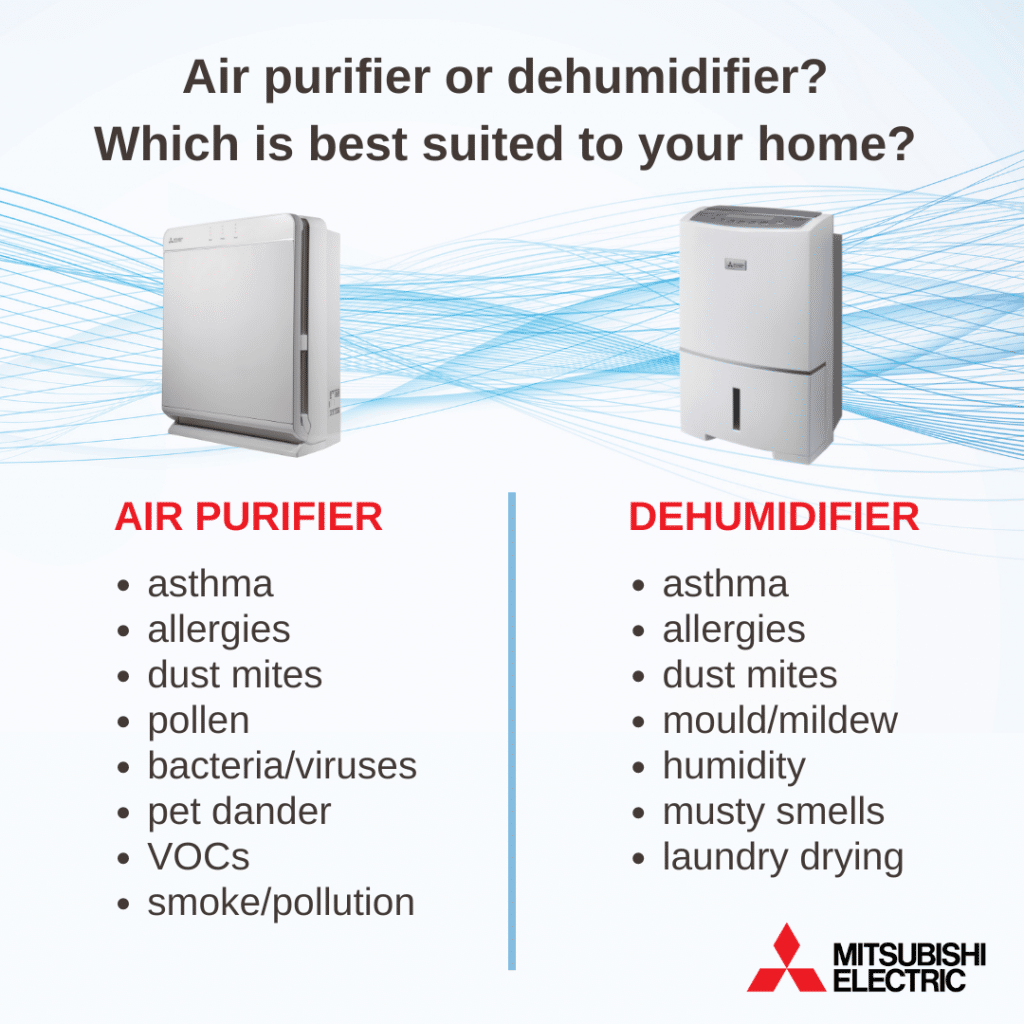
Credit: www.mitsubishielectric.com.au
When Should You Use an Air Purifier?
Here are some reasons to use an air purifier:
- You have allergies or asthma.
- You live near busy roads or factories.
- You have pets that shed hair and dander.
- You want to remove smoke or bad smells.
- You want to reduce germs and bacteria in the air.
When Should You Use a Dehumidifier?
Use a dehumidifier if:
- Your home feels damp or wet.
- You see mold or mildew growing.
- You notice a musty or bad smell.
- Your walls or windows have water drops.
- You want to protect furniture and walls from damage.
Can You Use Both Together?
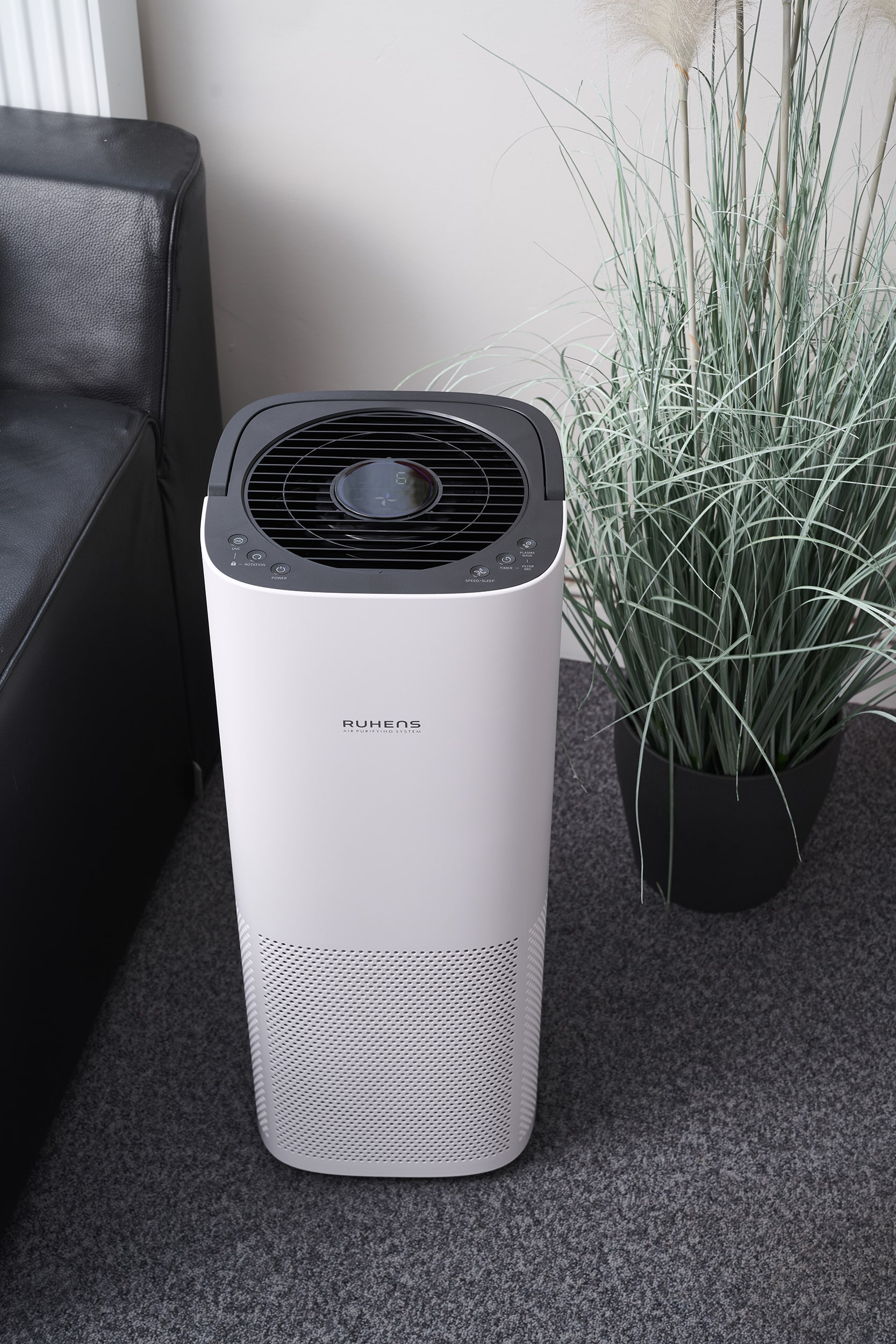
Yes, you can use both devices in the same home. They do different jobs. Using both gives you better air quality and comfort.
For example, in a damp home with allergies, a dehumidifier removes moisture. An air purifier cleans the air of dust and allergens. Together, they help you breathe easier and live comfortably.
Credit: www.aircaresolutions.co.uk
How to Choose the Right Device
Choosing between an air purifier and a dehumidifier depends on your needs. Here are some simple steps:
- Check if your home feels damp or wet.
- If yes, get a dehumidifier to remove moisture.
- If no, check if you have allergies or dust problems.
- If yes, get an air purifier to clean the air.
- For both problems, consider buying both devices.
Summary
An air purifier and a dehumidifier are not the same. They have different jobs and work in different ways. An air purifier cleans the air by removing particles. A dehumidifier removes moisture to reduce humidity.
Use an air purifier if you want to breathe cleaner air. Use a dehumidifier if your home is too damp. Sometimes, you may need both for the best indoor air quality.
Knowing the difference helps you choose the right device. This makes your home safer and more comfortable for you and your family.
Frequently Asked Questions
What Is The Main Difference Between Air Purifiers And Dehumidifiers?
Air purifiers clean the air by removing dust and allergens. Dehumidifiers reduce moisture levels in the air to prevent mold.
Can An Air Purifier Remove Humidity Like A Dehumidifier?
No, air purifiers do not remove moisture. They only filter out particles like dust and pollen.
Do Dehumidifiers Improve Air Quality Like Air Purifiers?
Dehumidifiers reduce dampness but do not remove allergens. Air purifiers focus on cleaning the air from particles.
Which Device Helps Reduce Mold, An Air Purifier Or Dehumidifier?
Dehumidifiers help reduce mold by lowering humidity. Air purifiers do not control moisture or mold growth.
As an Amazon Associate, I earn from qualifying purchases.