Reclining chairs are great for relaxing. But what if your chair starts sinking? It feels uncomfortable and can be annoying. Don’t worry. You can fix it yourself. This guide will show you simple ways to save a sinking reclining chair.
Why Does a Reclining Chair Sink?
First, let’s understand why a reclining chair sinks. This helps you know what to fix.
- Worn-out Springs: Springs inside the chair can become weak over time.
- Broken or Loose Frame: The chair’s frame may crack or come loose.
- Damaged Recline Mechanism: The parts that help the chair recline can stop working well.
- Old Cushion or Padding: Soft parts inside the chair can wear out and lose support.
- Heavy Use: Sitting often and for long periods can cause damage.
Knowing these causes helps you find the right fix. Now, let’s look at how to save your sinking chair step-by-step.
Step 1: Check the Reclining Mechanism
The reclining mechanism is the part that moves the chair back and forth. It can get stuck or broken.
- Look under the chair.
- Find the metal parts that move when you recline.
- Check if any parts are loose or broken.
- If you see rust or dirt, clean it with a cloth.
- Apply some oil or lubricant to moving parts.
This simple step can fix minor problems. If parts are broken, you may need to replace them.
Step 2: Tighten All Screws and Bolts
Loose screws and bolts can cause sinking or wobbling.
- Use a screwdriver or wrench.
- Go around the chair and check every screw and bolt.
- Tighten any that feel loose.
- Be careful not to overtighten and break them.
This step can make your chair feel more stable and stop sinking.
Step 3: Inspect and Fix the Springs
Springs help hold up the seat. If springs are weak, the chair sinks.
- Turn the chair over carefully.
- Look at the springs under the seat.
- Check for broken or stretched springs.
- If springs are damaged, replace them with new ones.
- You can buy springs at hardware stores or online.
Replacing springs can make your chair feel firm again.
Step 4: Repair or Replace the Frame
The frame holds the whole chair together. A broken frame causes sinking.
- Look for cracks or breaks in the wood or metal frame.
- If you find cracks, use wood glue or metal epoxy to fix them.
- Clamp the glued parts and let them dry for 24 hours.
- If the frame is too broken, consider taking the chair to a professional.
A strong frame is important for a safe, comfortable chair.

Credit: bondars.com
Step 5: Replace or Add Cushion Padding
Old cushions lose their shape and support. This can make the chair sink.
- Remove the cushion from the chair.
- Feel if it is soft or flat.
- If it feels flat, buy new foam or padding.
- Cut the foam to fit inside the cushion cover.
- Put the new foam inside and close the cover.
New padding makes the seat soft and firm again.
Step 6: Use Extra Support Under the Seat
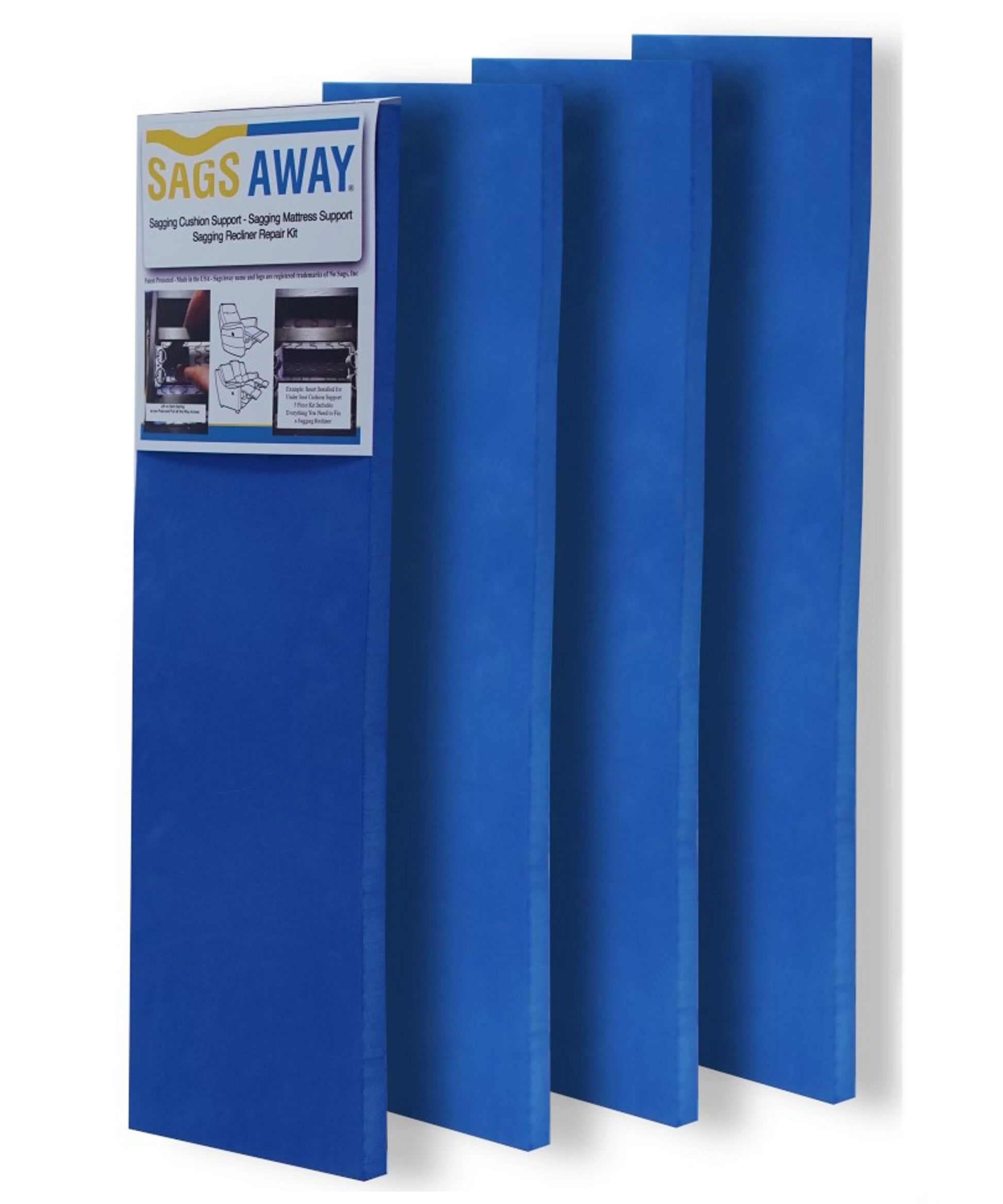
If fixing parts is hard, you can add extra support under the seat.
- Use a wooden board or thick cardboard.
- Cut it to fit under the cushion.
- Place it on the seat frame before putting the cushion back.
- This helps hold weight and stops sinking.
This is a quick and cheap way to improve comfort.
Step 7: Regular Maintenance to Prevent Sinking
Fixing your chair is good. But keeping it well is better.
- Check screws and bolts every few months.
- Clean and oil the reclining mechanism regularly.
- Avoid jumping or heavy pressure on the chair.
- Use a chair cover to protect cushions from dirt.
- Keep pets away to avoid scratches and damage.
Good care helps your reclining chair last longer and stay comfy.
Summary Table: Quick Fix Tips for Sinking Reclining Chairs
| Problem | Solution | Tools Needed |
|---|---|---|
| Loose screws or bolts | Tighten all screws and bolts | Screwdriver, wrench |
| Dirty or stuck mechanism | Clean and lubricate moving parts | Cloth, lubricant oil |
| Broken or weak springs | Replace springs with new ones | Replacement springs, pliers |
| Cracked frame | Glue and clamp cracks or seek professional help | Wood glue or epoxy, clamps |
| Flat cushions | Replace foam padding | Foam padding, scissors |
| General sinking | Add wooden board under seat | Wooden board or thick cardboard |
Credit: sagsaway.com
Final Thoughts
A sinking reclining chair can ruin your comfort. But fixing it is often simple. Check parts carefully. Tighten screws, clean mechanisms, and replace worn parts. Add padding or support if needed. Regular care keeps your chair strong and cozy.
Don’t throw away your sinking chair right away. Try these tips first. You may save money and enjoy your chair for many years more.
Remember, small fixes make a big difference. Take your time. Your chair will thank you.
Frequently Asked Questions
Why Does My Reclining Chair Keep Sinking Down?
A sinking reclining chair usually means the tension spring or recliner mechanism is worn out. These parts lose strength over time. Replacing or tightening them can fix the problem.
How Can I Fix A Sinking Recliner Without Tools?
Try adding a folded towel or cushion behind the backrest for extra support. This simple trick helps hold you up better. It’s a quick, temporary fix until you repair the mechanism.
What Causes A Recliner To Lose Its Reclining Hold?
The main cause is a broken or stretched tension spring inside the chair. Springs control how firmly the chair holds your weight. When weak, the chair sinks easily.
Can I Replace The Tension Spring Myself?
Yes, replacing the spring is possible with basic tools. You need to remove the chair cover to access the spring. Follow a guide or video for safe replacement.
As an Amazon Associate, I earn from qualifying purchases.