Are you wondering if you can put an area rug on top of your carpet? It’s a common question that many homeowners face when trying to refresh their space without a full makeover.
You might think layering rugs is tricky or that it won’t look right. But what if you could easily add style, comfort, and protection to your floors with just one simple step? Keep reading, because we’ll show you exactly how to do it the right way—and avoid common mistakes that could damage your carpet or ruin your new rug.
Your home deserves that extra touch, and it’s easier than you think!
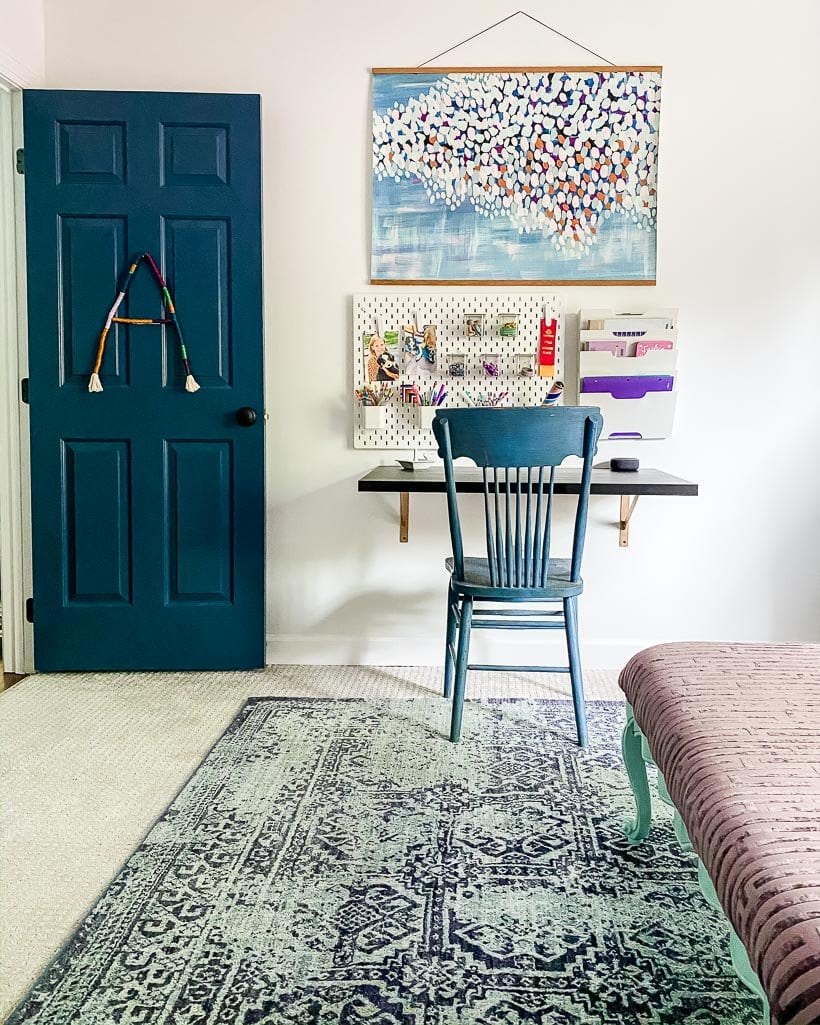
Credit: designertrapped.com
Benefits Of Layering Rugs
Layering rugs can change the look and feel of a room. It offers more than just style. Adding a rug over carpet brings several benefits. It can make a space feel cozier and protect the carpet below. This simple trick can refresh any room without much work.
Enhancing Room Aesthetics
Layered rugs add depth and texture to a room. They bring new colors and patterns that catch the eye. This technique helps to define different areas in open spaces. It also makes plain carpets look more stylish. Changing rugs is an easy way to update your décor.
Adding Comfort And Warmth
Rugs on top of carpet increase softness underfoot. They add extra cushioning, making floors more comfortable. This is great for rooms where people sit or play on the floor. Layered rugs also provide warmth during cold months. A cozy room feels inviting and relaxing.
Protecting Existing Carpet
Putting a rug over carpet shields the carpet from dirt and wear. It helps keep high-traffic areas clean longer. This can extend the life of your carpet. Rugs catch spills and stains before they reach the carpet. A simple layer can save time and money on carpet care.
:max_bytes(150000):strip_icc()/using-area-rugs-over-carpet-2908732-02-f3b860e039fd495e9fb1a0d598543102.jpg)
Credit: www.thespruce.com
Choosing The Right Rug
Choosing the right rug for placing on top of carpet needs careful thought. The right rug can improve your room’s look. It can also add comfort and style. Consider material, size, shape, color, and pattern. These factors help your rug fit well with the carpet and room design.
Material Considerations
Select materials that work well on carpet. Wool rugs offer durability and softness. Synthetic rugs like nylon or polyester resist stains. Avoid rugs that slip easily on carpet. Look for rugs with a non-slip backing or use a rug pad. This keeps the rug stable and safe.
Size And Shape Selection
Choose a rug size that fits your carpeted area. Small rugs may look lost on large carpets. Large rugs can cover too much and hide carpet beauty. Rectangular and oval rugs fit most spaces. Round rugs add softness to angular rooms. Measure your space carefully before buying.
Color And Pattern Tips
Pick colors that match or contrast nicely with carpet. Light rugs brighten dark carpets. Dark rugs hide stains on light carpets. Patterns add interest but avoid busy designs. Simple patterns work best over patterned carpet. Use rug color to create a balanced look.
Preventing Slips And Shifts
Placing an area rug on top of carpet can cause slipping and shifting. This can be unsafe and annoying. Taking steps to keep the rug in place is very important. Simple tools and products help stop the rug from moving. This section explains easy ways to prevent slips and shifts.
Using Rug Pads
Rug pads add grip between the carpet and the area rug. They stop the rug from sliding. The pads also protect the carpet below. Choose a pad made for carpeted floors. This helps keep both surfaces safe and stable. Rug pads are easy to cut to size. Place the pad under the rug, smooth it out, then set the rug on top.
Non-slip Backings
Some area rugs have non-slip backings. These backings stick better to carpet fibers. They reduce slipping without extra products. If your rug lacks this feature, consider buying a rug with a grip backing. Non-slip backings work well on low-pile carpets. They keep the rug steady underfoot.
Double-sided Tape Options
Double-sided tape works well for holding rugs on carpet. Use tape made for carpets to avoid damage. Apply tape to the rug’s edges and center. Press the rug firmly onto the carpet. This creates a strong hold that prevents shifting. Tape is a quick, affordable solution for slip control.
Maintenance And Cleaning
Placing an area rug on top of carpet needs regular care. Maintenance keeps both clean and fresh. Dirt can hide between layers. Good cleaning helps avoid damage and stains.
Vacuuming Techniques
Vacuum the rug and carpet often. Use a vacuum with adjustable height. This prevents pulling or tearing the rug fibers. Vacuum in different directions for deep cleaning. Pay attention to edges where dust builds up.
Spot Cleaning Tips
Act fast on spills to avoid stains. Blot liquids gently with a clean cloth. Avoid rubbing, which spreads the stain. Use mild soap and water for most spots. Test cleaning products on a small area first.
Professional Cleaning Advice
Hire professionals for deep cleaning once a year. Experts remove dirt trapped under rugs and carpet. They use safe methods to protect materials. Professional care extends the life of both rug and carpet.
Common Mistakes To Avoid
Placing an area rug on top of carpet can refresh a room’s look. Avoiding common mistakes helps keep the rug in place and protects both surfaces. Knowing what to watch out for makes the process easier and safer.
Ignoring Rug Padding
Skipping rug padding is a frequent error. Padding prevents slipping and keeps the rug flat. It also protects the carpet underneath from wear and tear. Without padding, the rug may bunch up or slide, causing trips and falls.
Choosing Incompatible Materials
Not all rugs work well on carpet. Some materials grip too tightly or slide too much. Natural fibers like wool often stay put better. Synthetic rugs may not bond well and can cause damage. Match the rug’s material to your carpet type for best results.
Overlooking Safety Concerns
Safety should be a top priority. Loose rugs on carpet create tripping hazards. Make sure the rug lies flat and does not curl at the edges. Use non-slip pads designed for carpet floors. Check the rug regularly to prevent accidents.
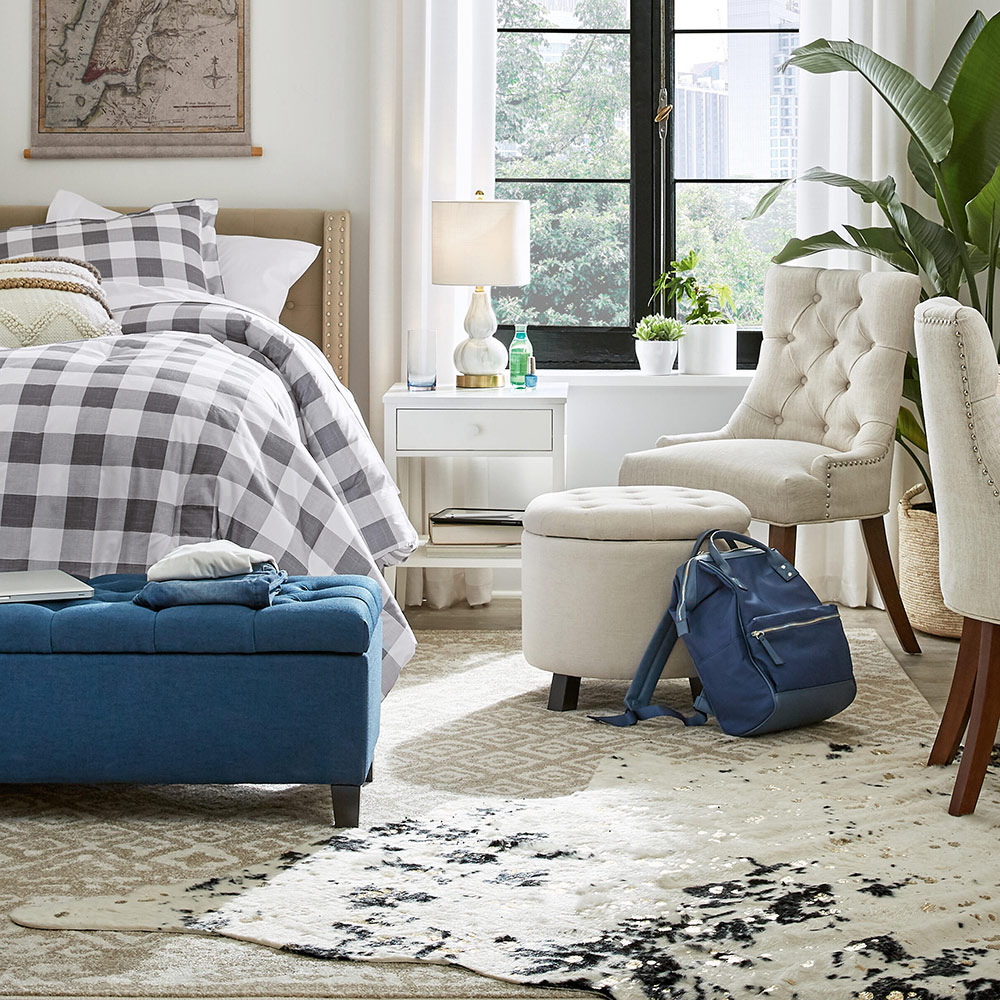
Credit: www.homedepot.com
Frequently Asked Questions
Can You Layer An Area Rug Over Carpet Safely?
Yes, you can layer an area rug over carpet. Use a rug pad to prevent slipping. This also protects both carpets and extends their life. Proper placement avoids bunching or tripping hazards.
What Type Of Rug Pad Works On Carpet?
A thick, grippy rug pad made of natural rubber or felt works best. It stabilizes the rug on carpet, prevents slipping, and adds cushioning. Avoid thin pads that don’t provide enough grip or protection.
Will An Area Rug Damage My Carpet Underneath?
If you use a rug pad, damage is unlikely. The pad prevents friction and discoloration. Without a pad, the rug’s backing may trap dirt or cause wear over time.
How Do I Keep An Area Rug From Slipping On Carpet?
Use a non-slip rug pad designed for carpeted floors. Regularly adjust the rug to maintain smoothness. Ensure the pad covers the entire rug area for stability.
Conclusion
Placing an area rug on top of carpet is possible and practical. It can add color, texture, and comfort to a room. Make sure to use a rug pad to prevent slipping and protect both surfaces. Choose the right size and style to fit your space well.
Regular cleaning keeps both carpet and rug fresh. This simple change can refresh your room without a big cost or effort. Try it out and enjoy a new look easily.
As an Amazon Associate, I earn from qualifying purchases.