
Are you thinking about adding a polypropylene rug to your home but wondering if it’s truly safe? You’re not alone.
When it comes to choosing the right rug, safety is just as important as style and comfort. You want to know if your new rug will affect your health or the environment. This article will give you clear, straightforward answers about polypropylene rugs.
By the end, you’ll feel confident making the best choice for your space and your well-being. Keep reading to uncover the facts you need to know.
Credit: sahilplastics.com
What Is Polypropylene?
Polypropylene is a type of plastic widely used in many products. It is a polymer made from propylene gas. This material is popular because it is strong and light. It also resists stains and moisture. These features make polypropylene a common choice for rugs. Understanding what polypropylene is helps to know if rugs made from it are safe and durable.
Material Properties
Polypropylene is tough and flexible. It does not absorb water easily. This makes the material resistant to mold and mildew. It also resists most chemicals and stains. Polypropylene feels soft but holds its shape well. It does not fade quickly under sunlight. These properties help rugs stay clean and last longer.
Common Uses In Rugs
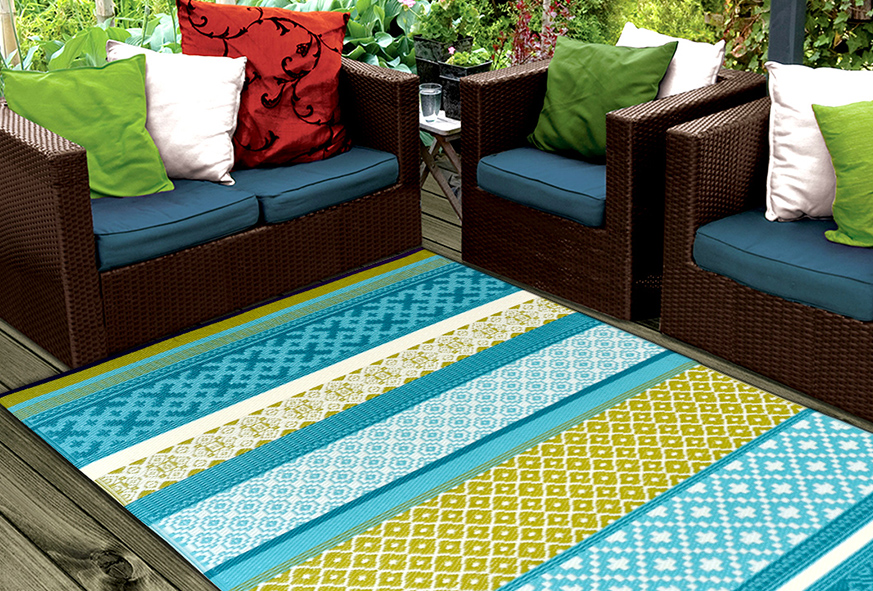
Many rugs use polypropylene fibers. These rugs are affordable and easy to clean. They work well in high-traffic areas like hallways and kitchens. Polypropylene rugs dry fast after cleaning. They are often used indoors and outdoors. Their resistance to moisture makes them good for damp spaces.
Health Safety Of Polypropylene Rugs
Polypropylene rugs are popular for their durability and affordability. Many people wonder about their health safety. Understanding the health effects helps you make a smart choice for your home.
Chemical Composition
Polypropylene is a type of plastic made from petroleum. It contains no natural fibers or dyes. The fibers are synthetic and resistant to stains and moisture. This material does not easily grow mold or bacteria. It is generally safe but does contain chemicals from manufacturing.
Potential Allergies And Irritations
Most people do not have allergies to polypropylene. It is hypoallergenic and does not trap dust easily. Some sensitive individuals might feel mild skin irritation. This happens when fibers rub against the skin. Washing the rug before use can reduce irritation risks.
Emission Of Vocs
VOCs are gases released by some materials. New polypropylene rugs may emit small amounts of VOCs. These gases can cause headaches or dizziness in poorly ventilated rooms. Let the rug air out before placing it in living spaces. This reduces any harmful gas presence.
Durability And Maintenance
Polypropylene rugs are popular for their strong build and easy care. Their durability makes them a smart choice for busy homes. These rugs handle daily use and still look good over time. Maintenance is simple, helping you keep them fresh without much effort.
Stain Resistance
Polypropylene rugs resist stains better than many other materials. Liquids do not soak in quickly. This helps prevent permanent marks. Spills can be wiped away with little trouble. The rug’s fibers repel dirt and grime naturally.
Cleaning Tips
Regular vacuuming keeps the rug clean and dust-free. Use a gentle setting to avoid damage. For spills, blot the area with a clean cloth. Avoid rubbing to stop spreading the stain. Mild soap and water work well for most stains. Let the rug dry completely before use.
Wear And Tear
These rugs stand up well to heavy foot traffic. The fibers resist crushing and matting. Edges hold their shape without fraying. Over time, colors stay vibrant with little fading. This makes polypropylene rugs last longer in active spaces.
Environmental Impact
Understanding the environmental impact of polypropylene rugs helps make better choices. These rugs are popular for their durability and low cost. Yet, their effect on the planet matters to many buyers. Exploring how they are made, recycled, and what alternatives exist gives a clearer picture of their safety for the environment.
Production Process
Polypropylene rugs come from a plastic called polypropylene. This plastic is made using fossil fuels like oil and gas. Making these rugs uses energy and creates greenhouse gases. Factories may also release chemicals during production. This process has a notable impact on air and water quality.
Recyclability
Polypropylene is recyclable, but not always recycled. Many recycling centers cannot process rugs easily. This often leads to rugs ending up in landfills. In landfills, they take hundreds of years to break down. Recycling programs for these rugs are growing but not widespread yet.
Eco-friendly Alternatives
Natural fiber rugs offer a greener option. Materials like jute, wool, or cotton break down faster. They use fewer chemicals during production too. These rugs are biodegradable and less harmful to the environment. Choosing natural fibers reduces plastic waste and pollution.
Choosing Safe Polypropylene Rugs
Choosing safe polypropylene rugs is important for your home and health. Not all rugs are made the same way. Some may contain harmful chemicals or low-quality materials. Selecting the right rug ensures a safe and comfortable environment. This section helps you find safe polypropylene rugs with ease.
Certifications To Look For
Check for certifications that prove safety and quality. Look for labels like OEKO-TEX Standard 100 or GreenGuard. These certifications mean the rug has low chemical emissions. They show the rug is tested for harmful substances. Choosing certified rugs reduces health risks.
Trusted Brands
Buy from brands known for quality and safety. Trusted brands follow strict manufacturing rules. They use safe materials and avoid toxic dyes. These brands often provide clear product details. A reliable brand means better product safety.
Buying Tips
Choose rugs with clear labels and ingredient lists. Avoid rugs with strong chemical smells. Check customer reviews for safety and durability feedback. Pick rugs that feel soft and well-made. Smaller rugs are easier to clean and maintain.
Credit: missamara.com.au

Credit: www.edwardmartin.com
Frequently Asked Questions
Are Polypropylene Rugs Non-toxic For Home Use?
Polypropylene rugs are generally non-toxic and safe for indoor use. They do not emit harmful chemicals or odors, making them suitable for homes with children and pets.
Do Polypropylene Rugs Cause Allergies Or Skin Irritation?
Polypropylene rugs are hypoallergenic and resistant to dust mites. They rarely cause allergies or skin irritation, making them a good choice for sensitive individuals.
How Durable Are Polypropylene Rugs Compared To Other Rugs?
Polypropylene rugs are highly durable and stain-resistant. They withstand heavy foot traffic and maintain their appearance longer than many natural fiber rugs.
Are Polypropylene Rugs Safe For Pets And Children?
Yes, polypropylene rugs are safe for pets and children. They resist stains and are easy to clean, ensuring a hygienic environment.
Conclusion
Polypropylene rugs are generally safe for home use. They resist stains and dry quickly, helping to keep spaces clean. These rugs do not release harmful chemicals under normal conditions. Still, good ventilation is wise when placing any new rug indoors.
Regular cleaning keeps them fresh and safe for family and pets. Choosing polypropylene offers a durable and affordable flooring option. Simple care and attention make these rugs a practical choice. Safety and comfort go hand in hand with proper use.
As an Amazon Associate, I earn from qualifying purchases.