Are you wondering if you can put an area rug over your carpet? It’s a common question with an answer that could change the way your room looks and feels.
Adding a rug on top of carpet might sound simple, but there are important things you need to know first. From safety tips to style tricks, this guide will help you make the best choice for your space. Keep reading to discover how to transform your room effortlessly and avoid common mistakes that could cost you later.
Credit: designertrapped.com
Benefits Of Layering Rugs
Layering rugs over carpet offers many benefits beyond style. It can change the look of a room quickly and add comfort. This method also helps protect the carpet beneath. Layering is a smart way to refresh a space without a big cost.
Here are some key benefits of placing an area rug over carpet.
Enhancing Room Aesthetics
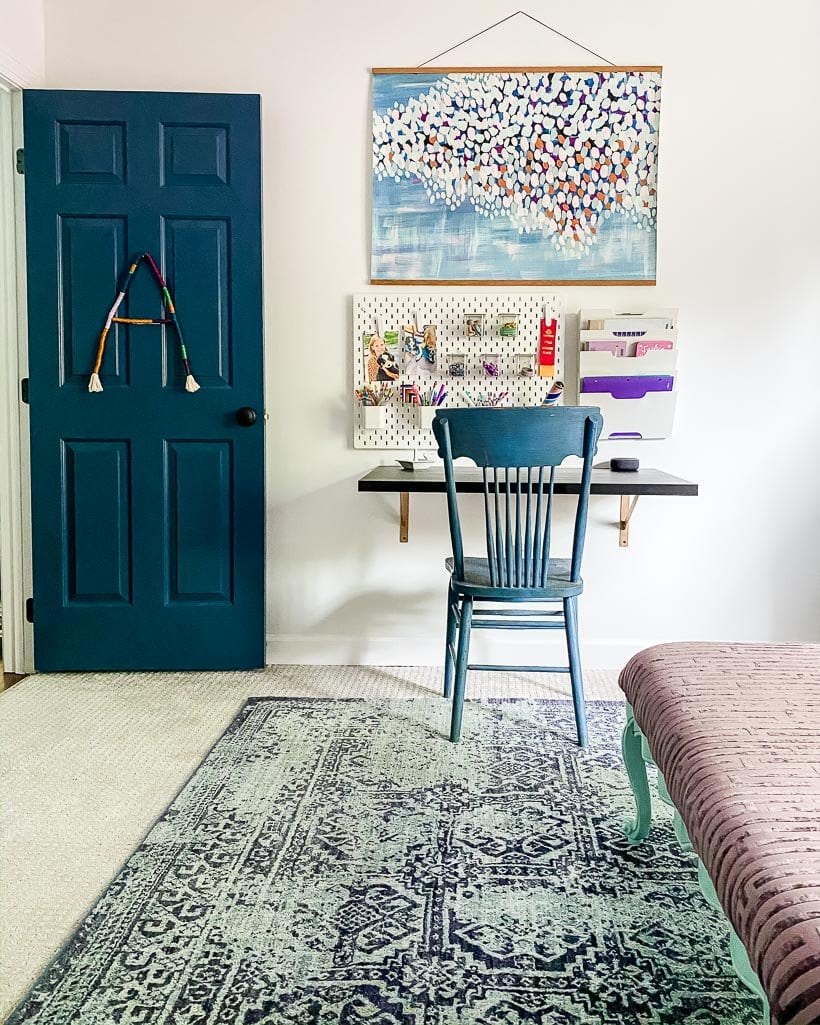
Layering rugs adds color and texture to any room. It breaks up large carpet areas and creates visual interest. A smaller rug can highlight furniture or define spaces. Mixing patterns and fabrics brings a fresh, unique look. This method lets you update style easily and affordably.
Adding Comfort And Warmth
Extra rugs add softness underfoot. They provide a warmer surface on cold floors. Layering creates a cozy atmosphere in living rooms and bedrooms. It also cushions steps and reduces noise. This simple addition improves comfort for everyone in the home.
Protecting Existing Carpet
Placing rugs over carpet helps protect high-traffic areas. It stops wear and dirt from damaging the base carpet. Rugs catch spills and stains before they reach the carpet. This extends the life of your existing flooring. Changing or cleaning rugs is easier than replacing carpet.
Choosing The Right Rug
Choosing the right rug to place over carpet needs care. The wrong rug can look out of place or cause slipping. Picking the perfect rug will improve your room’s look and feel. Focus on material, size, shape, color, and pattern to make a good choice.
Material Considerations
Choose a rug material that works well on carpet. Wool rugs are soft and durable but can be heavy. Synthetic rugs like nylon or polyester are lightweight and easy to clean. Avoid very thin rugs; they may slip or bunch up. A rug with a non-slip backing or a rug pad keeps it in place.
Size And Shape Tips
Select a rug size that fits the carpet and room size. The rug should be large enough to cover an area but not cover the whole carpet. Rectangular rugs work well in most rooms. Round rugs add interest to square rooms. Make sure the rug edges lie flat and don’t curl up on the carpet.
Color And Pattern Matching
Pick colors that match or complement your carpet. A rug that contrasts too much can clash visually. Patterns can add style and hide dirt better than solid colors. Simple patterns suit busy carpets, while bold patterns work on plain carpets. Choose colors that fit your room’s mood and lighting.
Preparing The Carpet
Preparing the carpet before placing an area rug is important. It helps the rug lie flat and last longer. Taking a few simple steps will improve the look and feel of your space. This preparation also protects the carpet and the rug from damage. Follow these tips for the best results.
Cleaning And Maintenance
Start by vacuuming the carpet thoroughly. Remove dirt, dust, and debris that can cause lumps. Clean stains on the carpet to avoid setting them under the rug. Use a gentle cleaner suitable for your carpet type. Let the carpet dry completely before adding the rug.
Checking For Damage
Look for worn spots or tears on the carpet surface. Damaged areas can worsen under the weight of a rug. Fix small rips or loose threads with a carpet repair kit. Replace the carpet if the damage is severe. This step ensures a smooth base for the rug.
Ensuring A Flat Surface
Flatten any bumps or wrinkles in the carpet. Use your hands or a flat tool to smooth the surface. Avoid placing the rug on uneven areas. A flat surface helps prevent tripping and rug sliding. It also keeps the rug looking neat and tidy.

Credit: boutiquerugs.com
Securing The Rug In Place
Keeping an area rug secure on top of carpet helps avoid slipping and bunching. It also makes the room look neat and tidy. Choosing the right method to hold the rug in place can make a big difference. Some options work better depending on the carpet type and rug size.
Below are easy ways to keep your area rug steady and safe over carpet.
Using Rug Pads
Rug pads add a layer between the carpet and rug. They stop the rug from sliding and protect both surfaces. Choose a pad made for carpeted floors. These pads are soft but firm enough to hold the rug steady. They also help the rug keep its shape longer.
Place the rug pad flat on the carpet. Then lay the rug on top. Make sure the pad is slightly smaller than the rug edges.
Non-slip Solutions
Non-slip mats or tapes work well for small rugs. These products have sticky or grippy bottoms. They hold the rug tightly to the carpet. Non-slip mats are easy to cut to size. They do not damage the carpet fibers. Use them under the rug corners or edges for extra hold.
Tack Strips And Tape Options
Tack strips and double-sided carpet tape offer strong grip for rugs. Tack strips are thin and can be nailed near the rug edges. They keep rugs from moving but take more effort to install. Carpet tape is sticky on both sides and easy to apply. It holds rugs firmly but can leave residue.
Choose tape made for carpet use to avoid damage. Test a small spot first to check for any marks.
Avoiding Common Problems
Placing an area rug over carpet can add style and comfort. Yet, it can cause some common problems if not done right. Avoiding these issues helps keep your space safe and clean. Simple steps make a big difference.
Preventing Slips And Trips
Area rugs on carpet can slip and slide easily. This creates a risk of falls. Use a non-slip rug pad designed for carpets. It keeps the rug in place. Make sure the rug lies flat without wrinkles. Check the edges often to prevent curling.
Managing Carpet Wear
Rugs protect carpet but can also cause wear. Heavy rugs may press carpet fibers down. Rotate the rug regularly to spread out wear. Avoid placing very heavy furniture on the rug. Use pads under furniture legs to reduce pressure.
Dealing With Allergens
Dust and allergens can build up between carpet and rug. This may cause allergies or breathing problems. Clean both carpet and rug often. Vacuum carefully and shake out the rug outside. Choose rugs made from hypoallergenic materials for less dust.
Styling Ideas For Layered Rugs
Layering rugs over carpet adds depth and style to any room. It offers a chance to play with colors, shapes, and textures. This trend brings warmth and personality to your space. Below are simple ideas to help you style layered rugs effectively.
Mixing Textures And Patterns
Combine different textures to create visual interest. Pair a soft wool rug with a flatwoven or jute rug. Mixing smooth and rough surfaces adds dimension. Try patterns that complement but do not clash. Stripes with florals or geometric shapes with solids work well. Keep the color palette balanced for a harmonious look.
Creating Cozy Zones
Use layered rugs to define small areas in large rooms. Place a smaller rug over a larger one to mark seating spaces or reading nooks. This technique makes the room feel inviting and organized. Add cushions and throws to enhance the cozy vibe. It also helps separate areas without walls or dividers.
Seasonal Rug Swaps
Change rugs according to the season to refresh your room. Use lighter, breathable rugs in spring and summer. Switch to thicker, warmer rugs during fall and winter. Layering allows easy swaps without removing all rugs. This approach keeps your space fresh and suitable for every season.
When Not To Layer Rugs
Layering rugs can enhance a room’s look and feel. Yet, it is not always a good idea. Certain situations make layering rugs risky. This section explains when not to put an area rug over carpet. Knowing these limits helps keep your floors safe and your space beautiful.
High-traffic Areas
High-traffic areas see a lot of foot movement every day. Layering rugs here can cause slipping and bunching. This creates a tripping hazard. Rugs may shift or wrinkle under heavy use. This can damage both the carpet and the rug on top. It is best to avoid layering in these busy spots.
Delicate Carpet Types
Some carpets have a soft or fragile texture. Layering rugs on these can cause wear and tear. The extra weight and friction may harm the carpet fibers. Rugs with rough backing can also snag or pull threads. Protect delicate carpets by using only one layer of floor covering.
Potential Moisture Issues
Moisture trapped between rugs and carpet causes problems. It can lead to mold and mildew growth. This damages the carpet and creates bad smells. Bathrooms, kitchens, and basements often have moisture risks. Avoid layering rugs in these damp areas to keep floors dry and healthy.
:max_bytes(150000):strip_icc()/using-area-rugs-over-carpet-2908732-02-f3b860e039fd495e9fb1a0d598543102.jpg)
Credit: www.thespruce.com
Frequently Asked Questions
Can You Put An Area Rug On Top Of Carpet?
Yes, you can place an area rug over carpet to add style or protect the carpet. Use a rug pad to prevent slipping and keep both layers stable. This also helps maintain carpet health and improves comfort underfoot.
Will An Area Rug Damage Carpet Underneath?
An area rug typically won’t damage carpet if you use a proper rug pad. Pads prevent friction and protect carpet fibers. Avoid rugs with rubber backing, as they can cause discoloration or wear over time.
How Do You Keep An Area Rug From Slipping On Carpet?
Use a non-slip rug pad designed for carpeted floors. These pads grip both rug and carpet, preventing movement. Choose a pad that’s slightly smaller than the rug for best results and enhanced safety.
Does Placing A Rug Over Carpet Affect Cleaning?
Placing a rug over carpet can make cleaning easier by protecting carpet from dirt. However, you’ll need to clean both the rug and carpet underneath regularly to avoid dust buildup and maintain freshness.
Conclusion
Placing an area rug over carpet can add style and comfort. It protects your carpet and changes the room’s look. Choose the right size and secure the rug well. Avoid slipping by using a rug pad or tape. This simple step keeps your space safe and neat.
Experiment with colors and patterns to refresh your home. Small changes make a big difference in any room. Try it out and enjoy a cozy, stylish floor.
As an Amazon Associate, I earn from qualifying purchases.