Choosing the perfect rug size for your living area can completely transform the look and feel of your space. But how do you know which size fits best?
Picking the wrong rug can make your room feel cramped or disconnected. You want your rug to tie everything together, making your living area cozy and inviting. You’ll discover simple tips and expert advice to help you find the ideal rug size that suits your space and style.
Keep reading to unlock the secret to a more beautiful and balanced living room.
Choosing Rug Sizes
Picking the right rug size for your living area is important. The right size can make your space feel balanced and cozy. Rugs help define the seating area and bring all the furniture together.
Choosing a rug that is too small can make the room feel disconnected. A rug that is too large might overwhelm the space. Knowing the common rug sizes and how to measure your living area can help you make a good choice.
Common Rug Dimensions
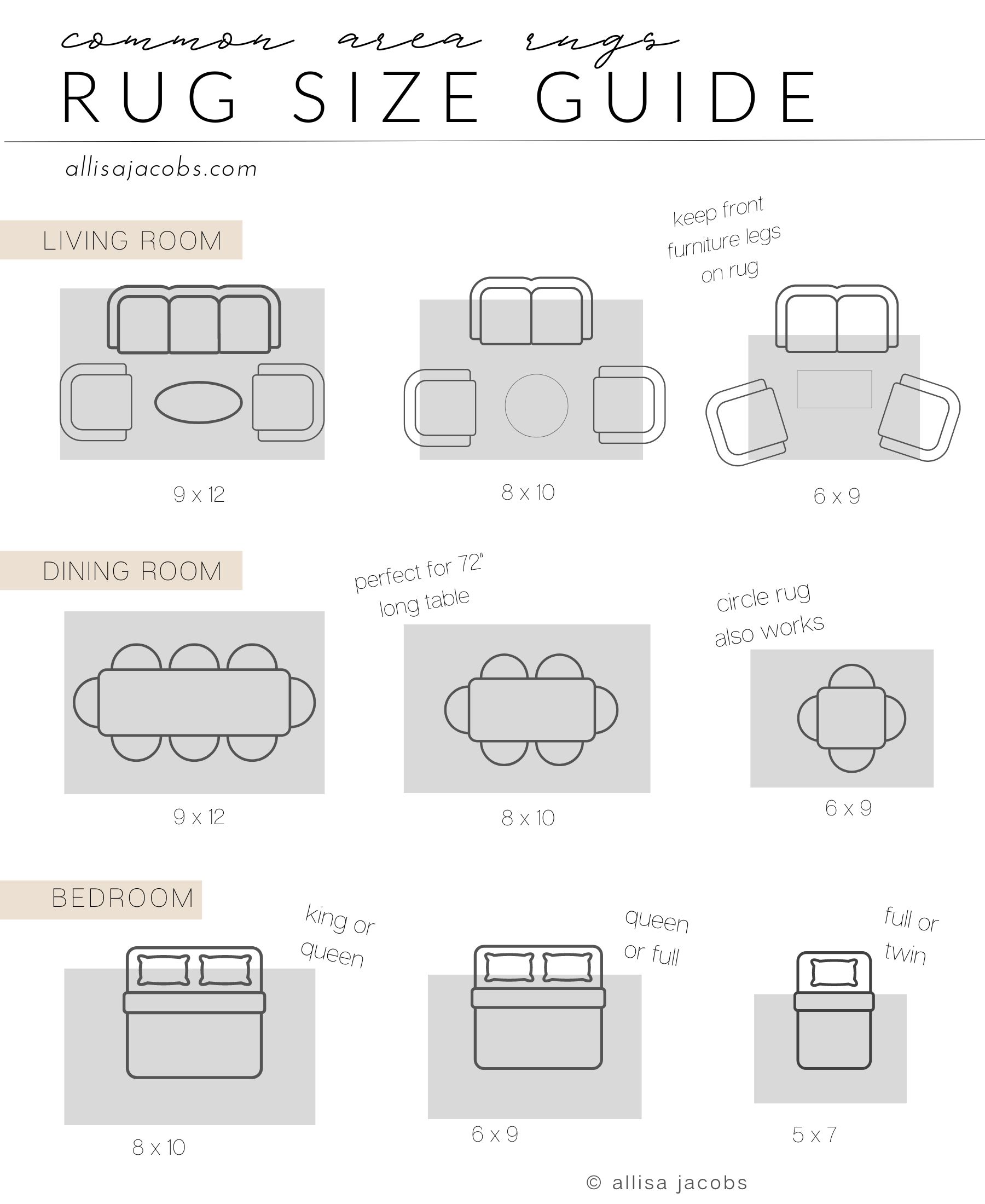
Rugs come in many sizes. The most common sizes for living rooms are 5×8, 8×10, and 9×12 feet. A 5×8 rug works well in small spaces or under coffee tables. An 8×10 rug fits medium rooms and can hold all furniture legs. A 9×12 rug suits large living rooms and covers most of the floor area.
Square rugs like 6×6 or 8×8 feet are less common but can work well in open spaces. Runner rugs are narrow and long, good for hallways or narrow rooms. Understanding these sizes helps you picture how a rug fits your room.
Measuring Your Living Area
Start by measuring the length and width of your living room. Use a tape measure and write down the numbers. Measure the space where you want to place the rug.
Leave some space between the rug edges and the walls. Around 12 to 18 inches of floor should show. This space helps the rug look balanced in the room.
Also, measure your furniture layout. Decide if you want the rug under all furniture or just the front legs. These choices affect the rug size you pick.
Rug Placement Tips
Choosing the right spot for your rug shapes your living area’s feel. Proper placement makes the space look tidy and inviting. It also highlights your furniture and room layout. These tips will help you place your rug perfectly.
Under Furniture
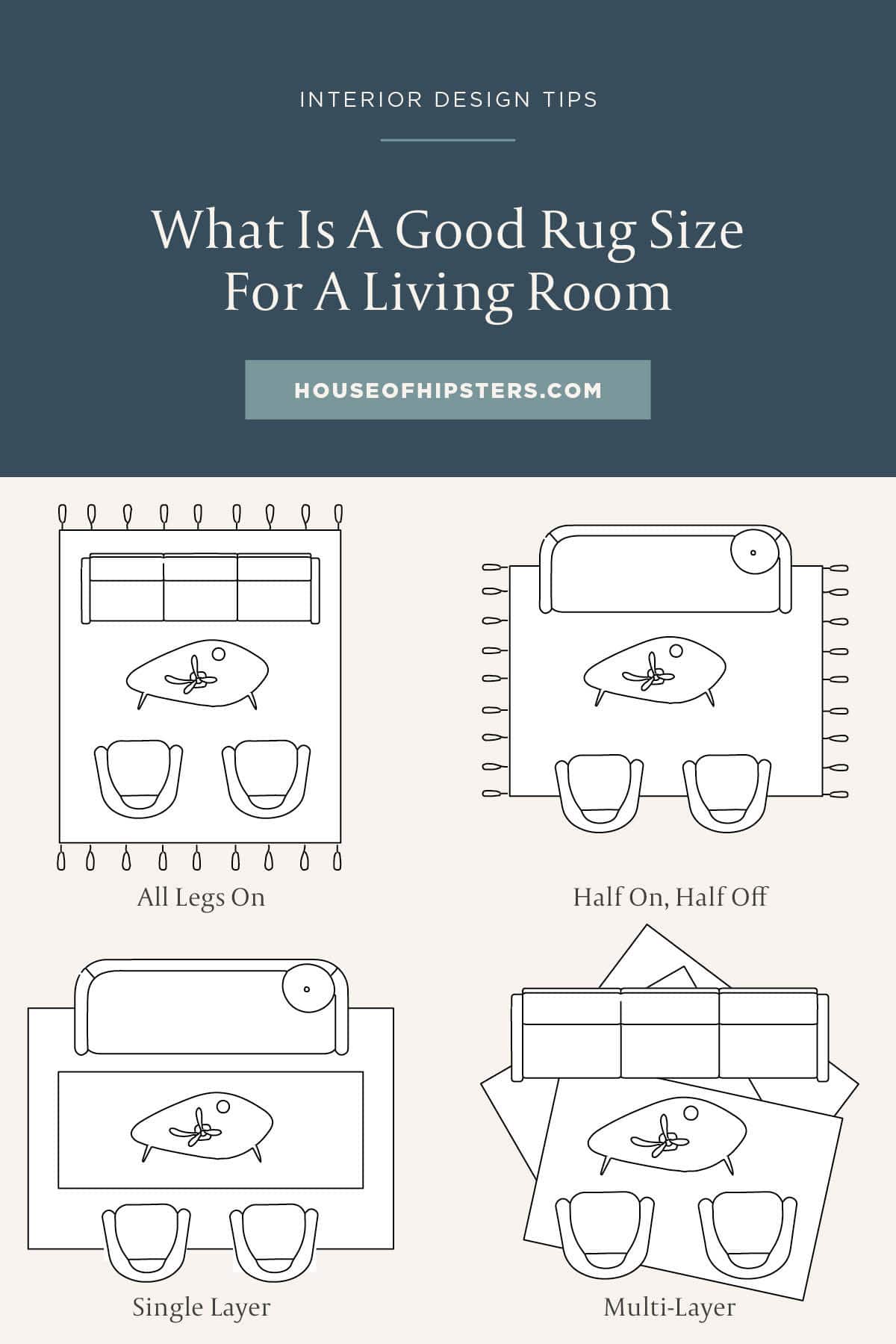
Place the rug under key furniture pieces like sofas and coffee tables. This ties the furniture together for a unified look. Make sure the front legs of the furniture rest on the rug. It creates balance and stops the rug from looking lost.
Centering The Rug
Center the rug in the room or in front of the main seating area. This draws attention to the rug as a design element. Leave equal space around the rug edges to keep the room open. Proper centering makes the space feel organized and calm.
Creating Zones
Use rugs to divide large living areas into smaller zones. For example, a rug can mark the reading nook or conversation area. This method adds structure and function without walls. Rugs help define each zone clearly and add warmth.
Living Room Layouts
Choosing the right rug size depends greatly on your living room layout. Each space has unique needs to look balanced and cozy. The rug should fit the room and furniture well. This makes the space feel connected and inviting.
Consider the size of your room first. Then think about the furniture arrangement. This helps pick a rug that enhances the room’s style and function.
Small Spaces
Small living rooms need rugs that do not overwhelm the area. A 4×6 or 5×7 rug usually works well. Place the rug under the front legs of your sofa. This anchors the seating without covering the whole floor.
Keep the rug size smaller than the seating area. This keeps the room open and easy to move around in.
Medium Spaces
Medium rooms suit rugs sized 6×9 or 8×10 feet. The rug should fit under all main furniture pieces. This means the sofa, chairs, and coffee table rest on the rug.
This approach ties the furniture together. It creates a comfortable and stylish look. The rug defines the seating zone clearly.
Large Spaces
Large living rooms allow for big rugs, such as 9×12 or 10×14 feet. The rug can cover most of the seating area. Place all furniture legs on the rug to unify the space.
Large rugs help fill open spaces. They add warmth and make the room feel complete.
Credit: www.allisajacobs.com
Rug Shapes And Styles
Choosing the right rug shape and style shapes the look of your living area. Rugs define spaces and add comfort. The rug’s shape can make your room feel bigger or cozier. Picking the right style matches your home’s design. Let’s explore popular rug shapes and layering ideas.
Rectangular Rugs
Rectangular rugs are the most common choice for living areas. They fit well with sofas and coffee tables. Place a large rectangular rug under furniture for a unified look. Ensure the rug is big enough to hold all front legs of your furniture. This creates a balanced and inviting space.
Round Rugs
Round rugs add softness to sharp room edges. They work great in small or square spaces. Place a round rug under a round coffee table to create harmony. This shape invites movement and breaks straight lines. Round rugs also highlight cozy corners or reading spots.
Layering Rugs
Layering rugs means placing one rug on top of another. Use a large neutral rug as the base and a smaller patterned rug on top. This adds texture and depth to your living area. Layering also allows mixing colors and styles. It creates a unique, personalized look without a big cost.
Material And Comfort
Choosing the right rug material impacts both comfort and style in your living area. The material affects how the rug feels underfoot and how long it lasts. Soft materials make the space cozy and inviting. Durable ones stand up to daily wear and tear. Understanding these differences helps pick the best rug for your needs.
Durability Factors
Natural fibers like wool are strong and last many years. Wool resists stains and maintains its shape well. Synthetic fibers such as nylon and polyester offer good durability too. They handle heavy traffic and resist fading from sunlight. Consider the foot traffic in your living area before choosing material. Rugs in busy rooms need tougher fibers to stay looking fresh.
Texture And Feel
Soft textures like shaggy or plush rugs add warmth and comfort. These rugs feel nice to walk or sit on. Flat-weave rugs have a smoother texture and are easier to clean. The right texture depends on your comfort needs and lifestyle. Pets or kids might require low-pile rugs for easy maintenance. Texture also affects the room’s look and mood.
:max_bytes(150000):strip_icc()/living-room-area-rugs-1977221-e10e92b074244eb38400fecb3a77516c.png)
Credit: www.thespruce.com
Color And Pattern Choices
Choosing the right color and pattern for your living area rug is key. It affects the room’s mood and style. The rug can either blend with or stand out from the rest of the decor. Picking the best option depends on your taste and the room’s look.
Matching Decor
Pick rug colors that match your furniture and walls. This creates a calm, uniform look. Soft, neutral shades work well with many styles. Patterns that echo shapes in pillows or curtains can tie the room together. Keep the color balance simple to avoid clutter.
Creating Contrast
Use the rug to add a pop of color or pattern. Bright or dark rugs draw attention and add energy. Contrast works best in rooms with plain walls and furniture. Bold patterns can bring life to a simple space. This choice makes the rug the room’s focal point.
Maintenance And Care
Choosing the right size rug for your living area is just the start. Taking good care of your rug keeps it looking fresh and new for years. Proper maintenance protects your investment and enhances your room’s comfort. Simple daily habits and regular cleaning help maintain your rug’s beauty and durability.
Cleaning Tips
Vacuum your rug regularly to remove dust and dirt. Use a vacuum cleaner without a beater bar to avoid damage. Spot clean spills immediately with a clean cloth. Blot the stain gently, do not rub it. Use mild soap and water for stubborn stains. Avoid harsh chemicals that can harm the fibers. Consider professional cleaning once a year to deep clean your rug.
Preventing Wear
Rotate your rug every few months to ensure even wear. Place furniture pads under heavy furniture legs to avoid dents. Keep your rug away from direct sunlight to prevent fading. Encourage family members and guests to remove shoes before stepping on the rug. Use area rugs in high-traffic zones to protect your main rug. These simple steps help your rug last longer and stay beautiful.
Credit: houseofhipsters.com
Frequently Asked Questions
What Size Rug Suits A Small Living Room?
A rug about 4×6 feet works well in small living rooms. It anchors furniture without overwhelming the space. Choose a size that allows furniture legs to sit on or off the rug comfortably.
How To Choose Rug Size For Large Living Areas?
For large living areas, pick rugs at least 8×10 feet or bigger. Ensure the rug fits under key furniture pieces to unify the space. It should cover a substantial floor area for balance.
Should All Furniture Legs Be On The Rug?
Not necessarily. In smaller spaces, front legs on the rug work. In bigger rooms, all legs on the rug create cohesion. Both methods visually anchor the seating area effectively.
What Rug Size Fits Under A Coffee Table?
A rug extending 18-24 inches beyond the coffee table edges is ideal. This size prevents the rug from looking too small. It also provides comfort and style to the seating zone.
Conclusion
Choosing the right rug size shapes your living area’s look and feel. A properly sized rug ties furniture together and defines space. Too small or too large rugs can make rooms feel off. Measure your space and think about how you use it.
Consider furniture arrangement and walking paths for comfort and style. A good rug size adds warmth and balance to your living area. Simple steps lead to a cozy, inviting room everyone will enjoy.
As an Amazon Associate, I earn from qualifying purchases.