Have you ever wondered what the mass of a floor lamp really means for your home? Whether you’re moving, decorating, or just curious, knowing the weight of your floor lamp can make a big difference.
It affects how easy it is to move, how stable it feels, and even where you can safely place it. You’ll discover exactly what the mass of a floor lamp is, why it matters, and how to find the right one for your space.
Keep reading—you’ll soon feel confident about choosing and handling your floor lamp like a pro.

Credit: www.wright20.com
Typical Floor Lamp Weights
Floor lamps come in many sizes and weights. Knowing the typical weight helps in choosing the right lamp for your space. Floor lamps need to be stable but also easy to move. Their weight depends on materials and design. Here is a look at common weights for different floor lamp types.
Lightweight Models
Lightweight floor lamps usually weigh between 5 to 15 pounds. These lamps often have slim metal or plastic bases. They are easy to carry and move around the room. These models suit small spaces or areas where you change lighting often. Lightweight lamps may not be as stable on uneven floors.
Heavy-duty Designs
Heavy-duty floor lamps can weigh from 20 to 40 pounds or more. These lamps have solid bases made of wood, stone, or thick metal. Their weight helps prevent tipping over. Heavy designs often hold bigger lampshades or multiple bulbs. They work well in large rooms or busy homes where stability is key.
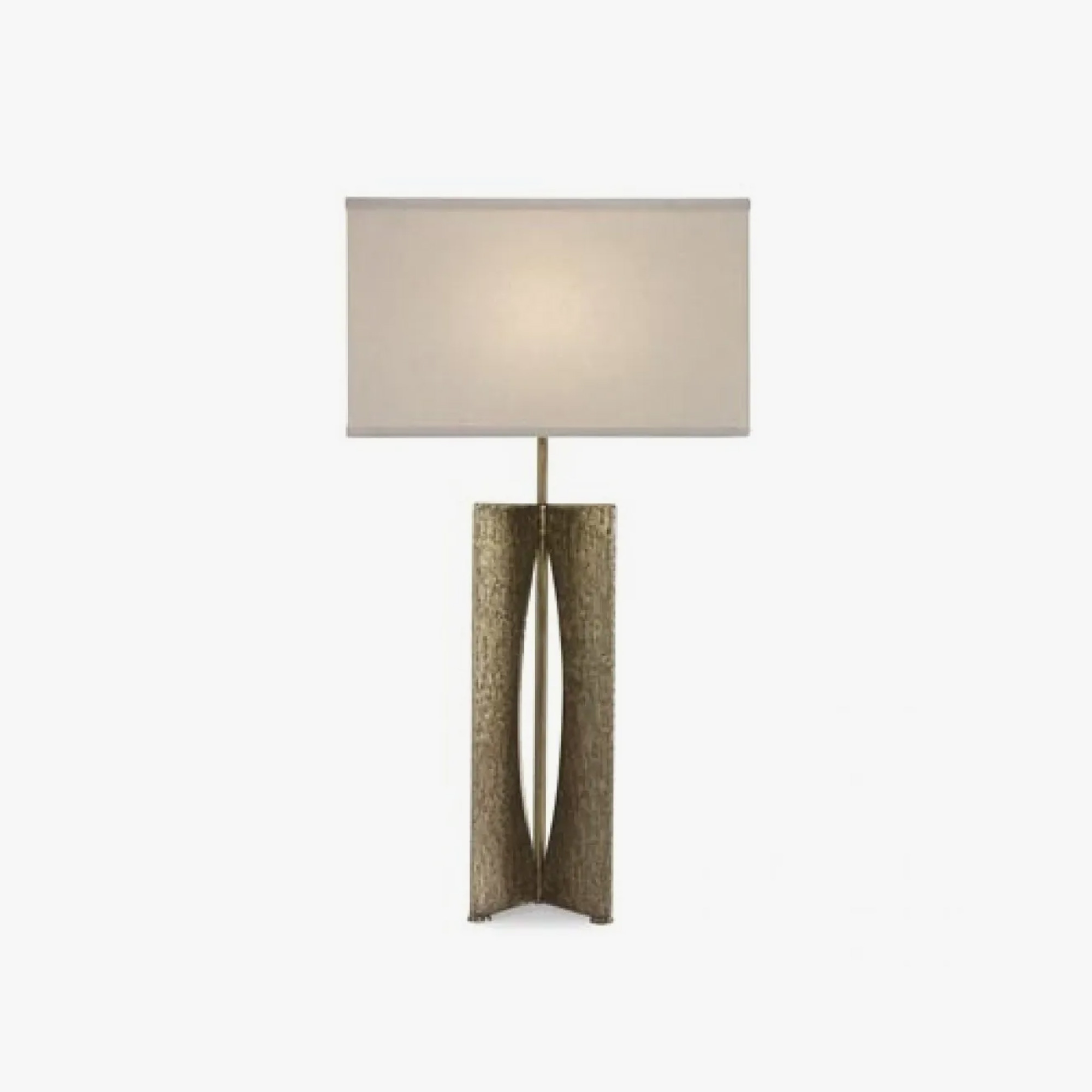
Credit: southhillhome.com
Materials Impacting Mass
The mass of a floor lamp depends greatly on the materials used in its build. Different materials add different weights. Knowing these helps when choosing the right lamp for your space.
Materials affect not only weight but also durability and style. Some materials are heavier but last longer. Others are light but may not feel as sturdy.
Metal Frames
Metal frames add significant weight to floor lamps. Steel and iron are common metals used. These metals make the lamp strong and stable. Metal frames can make the lamp hard to move. They offer a modern and sleek look to any room.
Wooden Structures
Wood is a popular choice for floor lamp structures. It is lighter than metal but still sturdy. Different woods vary in weight. Oak is heavier, while pine is lighter. Wood gives a natural and warm feel. It balances weight and style well.
Plastic Components
Plastic parts keep the lamp very light. These parts are often used for lamp shades or decorative elements. Plastic is less durable than metal or wood. It is easier to move a lamp with plastic parts. Plastic also offers more color options.
Size And Shape Effects
The size and shape of a floor lamp play a big role in its mass. Different designs affect how heavy or light a lamp feels. Understanding these differences helps you choose the right lamp for your space.
Tall Vs. Short Lamps
Tall lamps usually weigh more because they need strong bases. The height requires extra material to keep the lamp stable. Short lamps have less mass since they use less material. They are easier to move and fit smaller areas.
Bulky Vs. Slim Designs
Bulky lamps have thicker parts and wider bases. This adds to their total weight. Slim lamps use less material and have a lighter frame. They offer a sleek look and are easier to adjust. Choosing between bulky and slim depends on your space and style needs.
Portability Considerations
Portability is a key factor to think about when choosing a floor lamp. The mass of the lamp affects how easy it is to move around your home. It also impacts the lamp’s stability and safety. Understanding these points helps pick the right lamp for your needs.
Ease Of Moving
Lighter floor lamps are easier to carry from room to room. They do not require much strength or effort to lift. This makes them ideal for people who like to change their room’s layout often. Lamps with wheels or handles add extra convenience for moving.
Heavier lamps can be hard to shift, especially on carpet or uneven floors. They might need two people to move safely. Consider how often you plan to move your lamp before buying.
Stability Factors
Heavier floor lamps tend to be more stable and less likely to tip over. A solid base and low center of gravity help keep the lamp steady. This is important in homes with children or pets.
Lighter lamps may fall easily if bumped or pulled. Check the base design and weight before purchasing. Some lamps add weight to the base to improve stability without making the whole lamp heavy.
Choosing The Right Weight
Choosing the right weight for a floor lamp is important for safety and style. The mass affects how stable the lamp is and where you can place it. A heavy lamp stays steady but might be hard to move. A light lamp moves easily but can tip over. Think about your space and needs before deciding.
Placement Needs
Consider where the lamp will stand. On soft carpet, a heavier lamp is safer. It won’t fall if bumped. On hard floors, lighter lamps work well and are easy to shift. Small rooms need lamps that don’t take up much space or feel heavy. Large rooms allow for heavier, taller lamps that stay firm.
User Preferences
Some people like lamps they can move often. Lightweight lamps fit this need. Others want steady lamps that stay put. They prefer heavier models. Think about who will use the lamp and how often. Kids or pets in the house mean a heavier lamp is better. Adults alone might choose lighter lamps for ease.
Measuring Floor Lamp Mass
Measuring the mass of a floor lamp helps you understand its weight. This is useful for moving, shipping, or choosing the right spot. Knowing the mass also helps prevent accidents from tipping over. The process is simple and uses common tools.
Tools And Techniques
A basic bathroom or kitchen scale works well for most floor lamps. Place the lamp carefully on the scale to get an accurate reading. For heavier lamps, use a luggage scale by lifting the lamp with a strap. Digital scales show precise numbers quickly. Avoid rough handling during measurement to keep the lamp safe.
Common Measurement Units
Mass is usually measured in kilograms (kg) or pounds (lbs). Kilograms are common in most countries. Pounds are more common in the United States. To convert, 1 kilogram equals about 2.2 pounds. Choose the unit that fits your location or preference. Knowing both units helps when buying or selling lamps online.

Credit: www.illuminee.com
Frequently Asked Questions
What Is The Average Mass Of A Floor Lamp?
The average mass of a floor lamp ranges between 5 to 15 kilograms. This depends on the materials, design, and size of the lamp.
How Does Lamp Material Affect Floor Lamp Mass?
Heavier materials like metal increase the mass, while plastic or wood reduce it. Material choice directly impacts the lamp’s weight.
Why Is Floor Lamp Mass Important For Stability?
A heavier mass improves stability and prevents tipping over. Lighter lamps may require additional support or wider bases.
Can Floor Lamp Mass Affect Shipping Costs?
Yes, heavier floor lamps generally cost more to ship. Weight influences packaging, handling, and transportation expenses.
Conclusion
The mass of a floor lamp affects its stability and ease of moving. Heavier lamps stay steady but can be hard to carry. Lighter lamps are easy to move but may tip over. Knowing the weight helps you pick the right lamp for your space.
Always check the mass before buying to avoid problems later. A good floor lamp balances weight and design to fit your needs. Choose wisely for a safe and stylish room.
As an Amazon Associate, I earn from qualifying purchases.