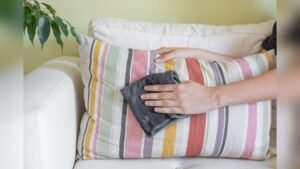
Are your throw pillows looking a little tired or feeling less fresh than they used to? You might be wondering, “Can you wash throw pillows without ruining them?”
It’s a question many pillow owners ask but don’t always find a clear answer to. You want your pillows to look clean and inviting, but you also don’t want to risk damaging them. You’ll discover simple, effective ways to clean your throw pillows safely.
By the end, you’ll feel confident knowing exactly how to keep your pillows fresh and cozy—making your home more comfortable and stylish. Keep reading to learn the best tips and tricks that work for you and your pillows!
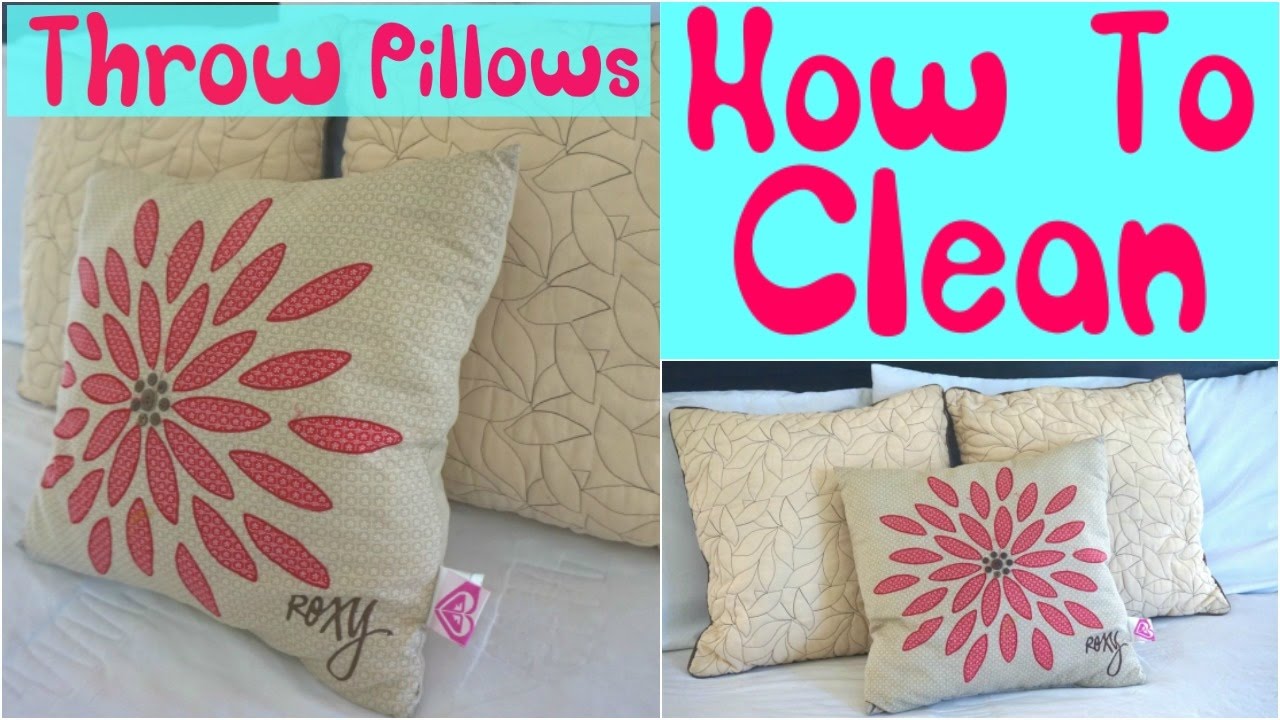
Credit: www.advancedresources.com
Types Of Throw Pillows
Throw pillows come in many types. Each type affects how you clean it. Knowing the differences helps you wash pillows safely. This section explains key types of throw pillows.
Fabric Varieties
Throw pillows use different fabrics. Common ones include cotton, linen, velvet, and polyester. Cotton and linen are easy to wash. Velvet needs gentle care to avoid damage. Polyester is durable and often machine washable. Always check fabric labels before washing.
Filling Materials
Pillow fillings vary widely. Common fillings include down feathers, synthetic fibers, and foam. Down feels soft but needs careful washing. Synthetic fibers dry quickly and resist mold. Foam pillows usually cannot go in the washer. Knowing the filling helps choose the best cleaning method.
Removable Covers
Many throw pillows have removable covers. Covers are easier to wash than whole pillows. You can wash covers in the machine or by hand. Check the zipper or closure to remove covers safely. Washing covers separately keeps pillows fresh longer.
When To Wash Throw Pillows
Knowing when to wash throw pillows helps keep your home fresh and clean. Throw pillows can collect dust, dirt, and odors over time. Washing them at the right time keeps them looking new and smelling good. This section explains the signs that show your pillows need washing. It also gives advice on how often to wash them.
Signs Of Dirt And Odor
Look for visible dirt or stains on the pillow surface. A musty or bad smell means bacteria or mold may be growing. Dust buildup can cause allergies or breathing problems. If the pillow feels heavy or damp, it might be dirty inside. Notice if the fabric looks worn or faded. These signs show it is time to wash your throw pillows.
Frequency Recommendations
Wash throw pillows every three to six months for regular use. Pillows used daily need more frequent cleaning. In homes with pets or smokers, wash pillows more often. Change pillow covers every month to reduce dirt. Spot clean spills and stains as soon as possible. Proper washing frequency helps pillows stay fresh longer.
Preparation Steps
Preparing your throw pillows before washing is key to keeping them clean and safe. Taking a few simple steps helps protect the fabric and fill. It also improves the washing results.
Start by understanding the pillow’s care needs. Then, remove any removable parts. Finally, treat small stains before washing the whole pillow.
Check Care Labels
Look for the care label on your throw pillow. It shows washing instructions and fabric type. Some pillows are machine washable, while others need dry cleaning.
Follow the label to avoid damage. Pay attention to water temperature and drying advice. This saves you time and frustration later.
Remove Covers
Many throw pillows have removable covers. Take off the covers carefully before washing. This helps clean the cover and pillow separately.
Washing covers alone often requires a gentler cycle. The pillow insert might need spot cleaning instead. Removing covers prevents shrinking or tearing.
Spot Cleaning
Check your pillow for stains or spots. Use a mild detergent or stain remover to clean these areas. Dab gently with a soft cloth or sponge.
Spot cleaning prevents stains from spreading in the wash. It keeps the pillow looking fresh without harsh treatment. Always test the cleaner on a small area first.
Washing Methods
Throw pillows get dirty over time. Washing them keeps your space fresh and clean. Different pillows need different washing methods. Choose the best way to avoid damage. Follow clear steps for good results.
Machine Washing Tips
Check the pillow label before washing. Use a gentle cycle with cold water. Put pillows in the washer with similar colors. Use mild detergent to protect fabric. Avoid bleach or harsh chemicals. Rinse twice to remove all soap. Dry pillows on low heat or air dry. Add tennis balls to the dryer to keep fluffiness.
Hand Washing Techniques
Fill a basin with cold water and mild soap. Submerge the pillow and gently squeeze it. Avoid wringing or twisting to protect shape. Let the pillow soak for 10 to 15 minutes. Rinse thoroughly until water runs clear. Press out water softly using a towel. Air dry flat in a well-ventilated area. Hand washing is best for delicate fabrics.
Dry Cleaning Options
Some pillows need professional cleaning only. Dry cleaning removes stains without water. Check if the pillow label says “dry clean only.” Take pillows to a trusted dry cleaner. This method keeps fabric and filling safe. Dry cleaning works well for silk or wool pillows.
Drying Throw Pillows
Drying throw pillows properly is key after washing. It keeps them fresh and fluffy. Wrong drying can cause damage or clumping. Knowing the right methods helps maintain their shape and feel. Here are some simple ways to dry throw pillows safely.
Air Drying Tips
Air drying is gentle and safe for most throw pillows. Lay your pillow flat on a clean surface. Choose a well-ventilated, shaded area to avoid sun damage. Flip the pillow every few hours for even drying. Avoid damp or humid places to prevent mold. This method takes time but protects your pillow’s fabric and filling.
Using A Dryer Safely
Use a dryer only if the pillow’s care label allows it. Select a low heat or air fluff setting. High heat can melt or shrink the fabric. Add dryer balls or clean tennis balls to help fluff the pillow. Check the pillow every 15 minutes to prevent overheating. Remove the pillow while still slightly damp to air dry fully.
Preventing Clumping
Clumping happens when pillow filling sticks together during drying. To avoid this, shake the pillow gently before drying. Use dryer balls to separate filling inside the dryer. Stop the drying cycle occasionally to fluff the pillow by hand. Ensure the pillow dries completely to stop damp clumps forming. Proper drying keeps pillows soft and comfortable.
:max_bytes(150000):strip_icc()/how-to-wash-throw-pillows-5409531-07-5895134930fa4d358197e89ff539ac49.JPG)
Credit: www.liftingitalia.com
Refreshing Without Washing
Throw pillows can hold onto dust and odors over time. Washing them too often can wear out the fabric. There are easy ways to freshen pillows without using water or detergent. These methods keep your pillows looking and smelling nice between washes.
Refreshing your pillows without washing saves time and effort. It also helps maintain their shape and color. Simple steps can make a big difference in keeping your pillows clean and cozy.
Using Fabric Fresheners
Fabric fresheners spray a light mist that neutralizes odors. Choose a freshener that is safe for upholstery and delicate fabrics. Spray lightly over the pillow surface. Let it dry completely before use. This method removes smells from pets, smoke, or food quickly. Avoid soaking the pillow to prevent damage.
Sunlight And Ventilation
Sunlight naturally kills bacteria and reduces odors. Place pillows outside on a dry, sunny day. Leave them in the sun for a few hours. Fresh air helps remove dust and moisture. Turn the pillows occasionally to expose all sides. Avoid too much direct sun to prevent fabric fading.
Maintaining Pillow Freshness
Maintaining the freshness of your throw pillows keeps your space inviting and clean. Fresh pillows add comfort and style to any room. Simple habits help preserve their look and feel longer. These easy steps protect pillows from dirt and wear. Follow these tips to keep pillows fresh every day.
Regular Fluffing
Fluff your throw pillows often. This keeps the filling soft and full. Fluffing stops pillows from becoming flat or lumpy. Use your hands to squeeze and shake the pillow. Do this for a few seconds each time. This simple act refreshes the pillow’s shape quickly. Fluffing also helps air flow inside the pillow. This reduces moisture and prevents bad smells.
Protective Covers
Use protective covers on your throw pillows. Covers guard pillows from dirt, dust, and spills. Choose covers that are easy to remove and wash. Cotton or linen covers work well for breathability. Change and wash covers regularly to keep pillows clean. Covers extend the life of your pillows significantly. They make cleaning simple without harming the pillow itself.

Credit: www.youtube.com
Frequently Asked Questions
Can You Machine Wash All Throw Pillows?
Not all throw pillows are machine washable. Check the care label for instructions. Some require spot cleaning or dry cleaning instead.
How Often Should You Wash Throw Pillows?
Wash throw pillows every 3 to 6 months. Regular washing helps remove dust, allergens, and odors, keeping pillows fresh and clean.
What Is The Best Way To Dry Throw Pillows?
Air dry throw pillows flat in a well-ventilated area. Avoid high heat to prevent damage or shrinking.
Can Washing Throw Pillows Damage Their Filling?
Improper washing can clump or damage pillow filling. Use gentle cycles and mild detergents to protect the stuffing.
Conclusion
Throw pillows can be washed with care to keep them fresh. Always check the care label before washing. Use gentle cycles and mild detergent for best results. Spot cleaning works well for small stains. Dry pillows completely to prevent mold and odor.
Clean pillows make your home look neat and feel cozy. Regular washing helps remove dust and allergens. Keep your throw pillows soft and clean for longer use. Simple steps lead to fresh and inviting cushions every time.
As an Amazon Associate, I earn from qualifying purchases.