Have you ever wondered if your plants can thrive without natural sunlight? Maybe you live in a place with little sun, or you want to brighten up a room with green life.
The good news is that plants can grow under artificial light—but not all lights are the same. Understanding how artificial light works for your plants can make the difference between a healthy, vibrant garden and a struggling one. Keep reading to discover how you can help your plants flourish even when natural sunlight is out of reach.
Benefits Of Artificial Light For Plants
Artificial light offers many benefits for growing plants. It allows plants to get the right amount of light they need. This helps plants grow healthy and strong. Using artificial light gives gardeners control over light conditions. This control is not always possible with natural sunlight.
Plants can grow better with the right light type and duration. Artificial light can support plant growth at any time. It helps plants thrive indoors or in places with little sunlight.
Extending Growing Seasons
Artificial light lets plants grow beyond natural seasons. Gardeners can start plants earlier in the year. They can also keep plants growing later in the season. This means more time for vegetables, flowers, and herbs to develop. Growing seasons no longer depend on the sun alone.
Indoor Gardening Advantages
Growing plants indoors is easier with artificial light. It provides steady light without weather problems. Plants get the right light even in dark rooms. Indoor gardening becomes possible all year long. This is great for people with small outdoor space.
Overcoming Natural Light Limitations
Natural light can be weak or uneven in some places. Artificial light fills in gaps where sunlight is scarce. It helps plants grow in basements, apartments, or cloudy areas. Plants get enough light to photosynthesize well. This support improves plant health and growth.

Credit: www.reddit.com
Types Of Artificial Lights For Plants
Plants need light to grow. Sunlight is the best source, but artificial lights can help too. Different types of artificial lights offer various benefits for plant growth. Some lights use less energy, while others give off the right colors for photosynthesis. Choosing the right light depends on your plant’s needs and your space.
Fluorescent Lights
Fluorescent lights are common for growing plants indoors. They use less energy than many other lights. These lights give off a cool, soft light that plants like. They work well for seedlings and leafy greens. Fluorescent bulbs do not get very hot, so they are safe near plants.
Led Grow Lights
LED grow lights are very popular now. They use very little electricity and last a long time. LEDs can provide specific light colors that plants need to grow. They produce less heat, so plants stay safe. These lights are good for all types of plants and spaces.
Incandescent And Halogen Lights
Incandescent and halogen lights are not ideal for plants. They use more energy and produce a lot of heat. This heat can dry out or burn plants. These lights do not give the right color for photosynthesis. Use them only if no other light options are available.
High-intensity Discharge Lamps
High-intensity discharge (HID) lamps are strong and bright. They provide intense light that helps plants grow fast. These lamps include metal halide and high-pressure sodium types. They use more energy and create heat, so use with care. HID lamps work well for large grow spaces.
Choosing The Right Light Spectrum
Choosing the right light spectrum is key for healthy plant growth under artificial light. Different colors of light affect plants in different ways. Knowing which light color to use helps plants grow strong leaves or beautiful flowers. This section explains the main types of light plants need for growth.
Blue Light For Leaf Growth
Blue light helps plants grow strong and healthy leaves. It supports photosynthesis, the process plants use to make food. This light type encourages compact growth and thick foliage. Young plants and leafy vegetables need plenty of blue light to develop well.
Red Light For Flowering
Red light helps plants bloom and produce flowers. It triggers flowering and fruit production in many plants. Red light works best when combined with blue light for balanced growth. Gardeners use red light to boost flower and fruit yields indoors.
Full Spectrum Lights
Full spectrum lights provide all colors of light, similar to natural sunlight. They support all stages of plant growth, from leaves to flowers. These lights are perfect for general use and mixed plant types. Full spectrum bulbs offer a balanced light that plants need indoors.
Light Intensity And Duration
Light intensity and duration play a big role in plant growth under artificial light. Plants need the right amount of light to make food and stay healthy. Too little light slows growth. Too much light can damage leaves. Understanding how to measure and control light helps plants thrive indoors.
Measuring Light Intensity
Light intensity is how strong the light is. It affects how much energy a plant gets. Use a light meter to check intensity. This tool shows the amount of light in lux or foot-candles. Place it near the plant’s leaves for an accurate reading.
Optimal Light Hours Per Day
Most plants need 12 to 16 hours of light daily. This mimics natural sunlight. Some plants, like succulents, need fewer hours. Others, like vegetables, need more. Keeping a consistent light schedule helps plants grow steady and healthy.
Adjusting Light Based On Plant Type
Different plants need different light levels. Shade-loving plants need less light. Sun-loving plants need brighter, longer light. Learn each plant’s needs before setting up lights. Adjust the distance and duration of light to match these needs. This balance helps plants stay strong and grow well indoors.
Setting Up Artificial Lighting
Setting up artificial lighting is key to growing healthy plants indoors. Proper lighting mimics the sun and supports photosynthesis. It helps plants grow strong and produce leaves, flowers, or fruits. Careful setup ensures plants get the right amount of light without damage.
Distance Between Light And Plants
Keep the light at the right distance from plants. Too close can burn leaves. Too far means plants get less light and grow weak. Usually, 6 to 12 inches works well for most lights. Check your light type for exact distance. Adjust as plants grow taller.
Using Timers For Consistency
Use timers to control light cycles. Plants need regular light and dark periods. Timers help create a steady schedule. Most plants need 12 to 16 hours of light daily. Timers make it easy to keep this routine every day. Consistency helps plants grow healthy and strong.
Positioning Lights For Even Coverage
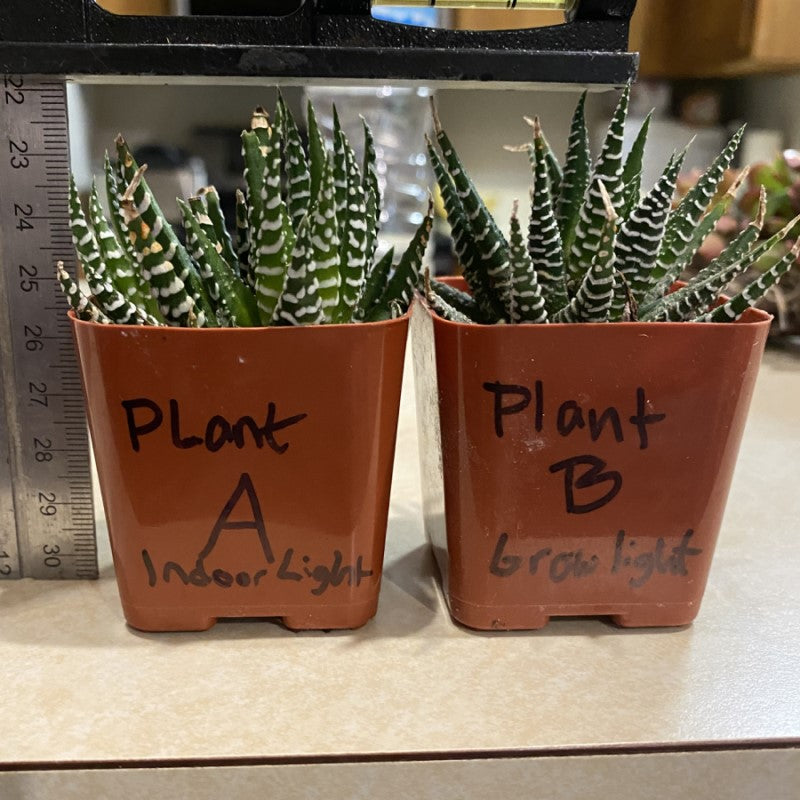
Place lights so they cover all plants evenly. Uneven light causes some plants to grow tall, others to stay small. Use multiple lights or reflectors to spread light. Move lights as plants grow to keep coverage balanced. Even light helps all plants grow well.
Credit: harddy.com
Common Challenges With Artificial Lighting
Growing plants under artificial light offers many benefits. Still, it brings some common challenges. These issues can affect plant health and energy costs. Understanding these problems helps create a better growing environment.
Heat Management
Artificial lights often produce heat. Too much heat can dry out plants and soil. It can also slow plant growth. Proper ventilation and distance from plants help control heat. Using LED lights reduces heat compared to other bulbs.
Preventing Light Burn
Light burn happens when plants get too much light. Leaves may turn yellow or brown. It can damage plant tissues and reduce growth. Adjust the light distance to avoid this problem. Choose lights with the right intensity for your plants.
Avoiding Energy Waste
Artificial lighting can use a lot of electricity. Wasting energy raises electricity bills and harms the environment. Use timers to control light periods. Select energy-efficient bulbs to save power. Focus light only where plants grow to reduce waste.
Best Plants For Artificial Light
Plants can thrive under artificial light if chosen carefully. Some plants need very little light to grow well. Others do better with bright artificial light. Picking the right plants helps you create a green space indoors.
Artificial light lets you enjoy plants in any room. It also helps plants grow during darker months. Understanding which plants suit artificial light makes care easier. Here are some of the best plants for artificial light.
Low Light Tolerant Plants
Low light tolerant plants survive with minimal light. They do well under standard indoor bulbs. Snake plants and pothos are great examples. These plants need little water and care. They keep their green color even in shade. Perfect for offices and rooms without windows.
Popular Indoor Greens
Popular indoor greens like spider plants and philodendrons grow well under artificial light. They adapt easily to different light levels. These plants add lush green to your space. Their leaves can filter air and improve room quality. Easy to grow and maintain for beginners.
Flowering Plants Under Artificial Light
Flowering plants can bloom under artificial light too. African violets and peace lilies do well indoors. They need bright, indirect artificial light to flower. These plants bring color and life to any room. Regular watering and the right light help flowers bloom.
Monitoring Plant Health Under Artificial Light
Plants need light to grow, but artificial light works differently than sunlight. Monitoring plant health under artificial light helps ensure plants thrive. Careful observation helps spot issues early. This lets you adjust conditions for better growth.
Signs Of Light Stress
Plants under artificial light can show stress in many ways. Leaves may turn yellow or pale. Some leaves might curl or drop. Stunted growth is another warning sign. Stretching stems means the plant seeks more light. Watch closely for these signs to act fast.
Adjusting Care Routine
Change your care routine based on plant signals. Move plants closer or farther from the light. Adjust the light timer to give rest periods. Water needs may change under artificial light. Check soil moisture regularly and avoid overwatering. Trim damaged leaves to boost plant health.
Nutrient Needs With Artificial Lighting
Artificial light can affect nutrient uptake. Plants may need more nutrients for healthy growth. Use a balanced fertilizer suited for indoor plants. Monitor plant color and growth to guide feeding. Avoid excess fertilizer to prevent root damage. Proper nutrition supports strong, vibrant plants.

Credit: www.wikihow.com
Frequently Asked Questions
Can Plants Grow Well Under Artificial Light?
Yes, many plants grow well under artificial light. Proper light spectrum, intensity, and duration are key for healthy growth indoors.
What Types Of Artificial Lights Help Plant Growth?
LED, fluorescent, and incandescent lights can support plant growth. LEDs are energy-efficient and provide optimal light spectrum for photosynthesis.
How Long Should Plants Stay Under Artificial Light?
Plants typically need 12 to 16 hours of artificial light daily. This mimics natural sunlight and promotes photosynthesis effectively.
Can Artificial Light Replace Natural Sunlight Completely?
Artificial light can replace sunlight for indoor plants but may lack full spectrum. Supplemental lighting ensures proper growth and development.
Conclusion
Plants can grow well under artificial light. They need the right light spectrum and duration to thrive. Using LED or fluorescent lights works best for most plants. Artificial light helps grow plants indoors or where sunlight is weak. Careful attention to water and soil quality also matters.
Growing plants this way is possible and practical. It offers flexibility for gardeners everywhere. Try it yourself and watch your plants grow strong and healthy.
As an Amazon Associate, I earn from qualifying purchases.