Artificial plants are a great way to brighten up your space without the hassle of watering or sunlight. But have you ever noticed how dust and dirt can dull their look over time?
Keeping your fake greenery clean is easier than you think, and it makes a huge difference in how fresh and vibrant your home feels. If you want your artificial plants to look as good as new, stick around—I’m going to show you simple, effective ways to clean them so they stay beautiful for years.
Ready to bring your plants back to life? Let’s dive in!
Credit: www.apartmenttherapy.com
Choosing The Right Cleaning Tools
Choosing the right tools makes cleaning artificial plants easier and safer. Using the correct items protects the plants and keeps them looking fresh. Dirt and dust can hide in leaves and stems. The right tools help reach these spots without damage.
Soft Brushes And Cloths
Soft brushes and cloths remove dust gently from artificial plants. A small paintbrush or makeup brush works well. Use a microfiber cloth to wipe leaves softly. Avoid rough materials that can scratch or tear leaves. Light brushing keeps plants clean without losing color.
Vacuum Attachments
Vacuum attachments help remove dust quickly from large plants. Use a brush attachment on low suction. Move the vacuum gently over leaves and branches. This method saves time and avoids damage. Make sure the vacuum is not too strong to prevent pulling parts off.
Mild Cleaning Solutions
Mild cleaning solutions remove stains and sticky dirt safely. Mix a small amount of dish soap with water. Use a soft cloth or sponge to apply the solution. Wipe leaves gently and rinse with clean water. Avoid harsh chemicals that can damage the artificial material.

Credit: christmasinamerica.com
Dry Cleaning Methods
Dry cleaning methods keep artificial plants fresh without water. These ways help remove dust and dirt gently. They protect plants from damage and fading. Dry cleaning is quick and easy to do at home.
Dusting Techniques
Use a soft cloth or feather duster to clean plants. Gently wipe leaves and stems to remove dust. Dust regularly to stop buildup on your plants. Avoid harsh scrubbing to keep plants safe.
Using Compressed Air
Compressed air blows away dust from hard-to-reach spots. Use a can of compressed air with a nozzle. Spray in short bursts to avoid damage. This method works well for delicate leaves and flowers.
Shaking And Beating
Take the plant outside and shake it gently. Lightly beat leaves with a soft brush or cloth. This helps remove loose dust and dirt. Use this method carefully to avoid breaking parts.
Wet Cleaning Techniques
Wet cleaning techniques help keep artificial plants fresh and bright. These methods remove dirt and stains without harming the plant’s material. Water is the main tool, often mixed with gentle cleaners. Wet cleaning suits plants with plastic or silk leaves. It restores their natural look and removes dust buildup effectively.
Spot Cleaning Stains
Spot cleaning targets small stains on artificial plants. Use a soft cloth dipped in warm water. Gently rub the stained area to lift dirt. For tough spots, add a drop of mild soap. Avoid scrubbing hard to prevent damage. Spot cleaning saves time and keeps plants neat.
Soaking And Rinsing
Soaking is useful for very dirty artificial plants. Fill a basin with lukewarm water and a little soap. Submerge the plant and let it soak for 10 to 15 minutes. After soaking, rinse it well under running water. Shake off excess water and dry with a towel. This method cleans deep dirt and dust.
Using Vinegar And Soap Solutions
Vinegar and soap mix creates an effective cleaning solution. Combine one part white vinegar with two parts water. Add a few drops of mild liquid soap. Dip a cloth or sponge into the mix. Wipe the plant’s leaves gently to remove grime. Vinegar helps disinfect and remove odors too.
Cleaning Different Types Of Artificial Plants
Cleaning artificial plants helps them look fresh and last longer. Different materials need different care. Understanding each type makes cleaning easier and more effective. Below are simple ways to clean common types of artificial plants.
Silk Flowers
Silk flowers are delicate and need gentle cleaning. Dust them regularly with a soft brush or cloth. For deeper cleaning, use a mixture of water and mild soap. Dip a cloth in the solution and wipe each petal carefully. Avoid soaking silk flowers to prevent damage.
Plastic Foliage
Plastic leaves are sturdy and easier to clean. Wipe them with a damp cloth to remove dust. For tough dirt, wash plastic plants under lukewarm water. Use mild soap if needed. Let them air dry completely before placing them back.
Foam And Fabric Plants
Foam and fabric plants require careful handling. Use a vacuum with a brush attachment to remove dust. Spot clean stains with a cloth dipped in soapy water. Avoid soaking these plants to prevent shape loss. Air dry in a well-ventilated area.
Drying And Maintaining Freshness
Drying and maintaining freshness are key steps after cleaning artificial plants. Proper drying keeps them looking natural and prevents damage. It also stops mold and bad smells. Good care extends their life and keeps your space fresh.
Air Drying Tips
Place cleaned plants in a dry, airy spot. Avoid direct sunlight to stop colors from fading. Let them dry naturally for several hours. Use a fan to speed up drying if needed. Do not use a hairdryer; it can damage leaves and flowers.
Avoiding Mold And Mildew
Check plants carefully for water trapped inside leaves or stems. Moisture causes mold and mildew to grow. Wipe off extra water with a dry cloth. Keep plants in a well-ventilated area after cleaning. Avoid placing them in damp places like bathrooms.
Storing Cleaned Plants
Store artificial plants in a cool, dry place. Cover them with cloth or plastic to keep dust away. Avoid crushing or bending leaves during storage. Keep them upright to keep their shape. Regularly check stored plants for dust or moisture buildup.
Preventive Care For Longer Freshness
Preventive care helps keep artificial plants looking fresh for longer. It reduces the need for deep cleaning. Regular small efforts stop dirt and dust from building up. This saves time and effort over weeks and months. Follow simple steps to protect your fake plants and enjoy their beauty every day.
Regular Dusting Schedule
Dust settles quickly on artificial leaves and petals. Set a routine to dust your plants once a week. Use a soft cloth or a feather duster. This stops dust from becoming sticky and hard to remove. Regular dusting keeps colors bright and surfaces clean.
Placement To Minimize Dust
Place your artificial plants away from windows and vents. These areas collect more dust and dirt. Avoid spots near kitchens where grease can settle. Choose low-traffic areas where plants will face less dust. Proper placement lowers how often you must clean.
Using Protective Sprays
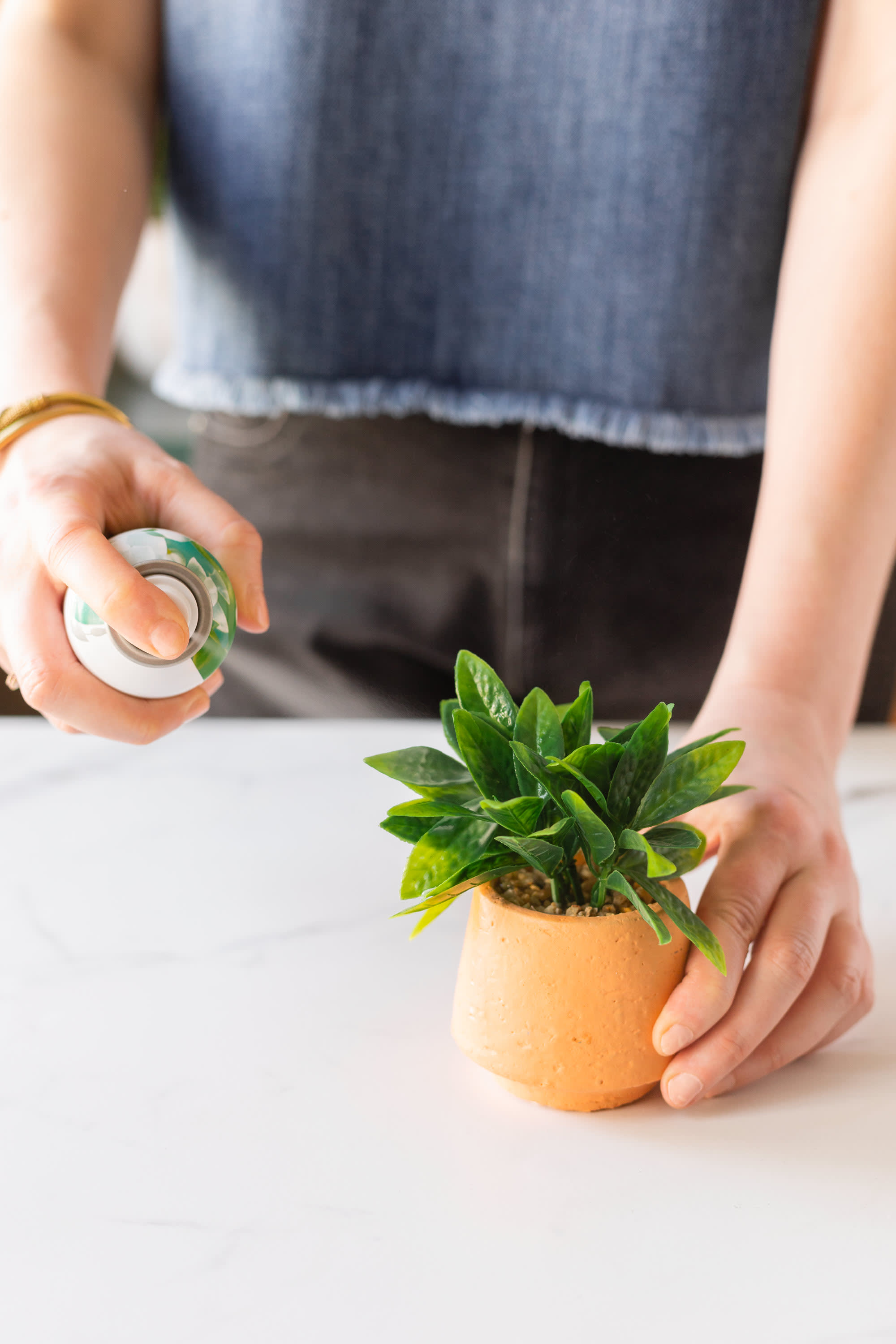
Protective sprays create a thin layer that repels dust and dirt. Use sprays designed for artificial plants only. Spray lightly and evenly, avoiding heavy coats. This simple step helps keep your plants cleaner for longer. Reapply sprays every few months for best results.

Credit: commercialsilk.com
Frequently Asked Questions
How Often Should I Clean Artificial Plants?
You should clean artificial plants every 1 to 2 months. This helps remove dust and maintain their appearance. Regular cleaning prevents buildup and keeps them looking fresh and vibrant for longer periods.
What Is The Best Way To Dust Artificial Plants?
Use a soft brush or microfiber cloth to dust artificial plants. Gently wipe leaves and stems to avoid damage. For delicate plants, a hairdryer on cool setting can blow off dust effectively.
Can I Wash Artificial Plants With Water?
Yes, you can wash artificial plants with water. Use lukewarm water and mild soap if needed. Rinse gently and air dry completely before placing them back to avoid mold growth.
Are There Special Cleaners For Artificial Plants?
Yes, specialized artificial plant cleaners exist. They safely remove dust and grime without harming the material. These cleaners often come in spray form for easy application and quick drying.
Conclusion
Cleaning artificial plants keeps them looking fresh and bright. Use gentle methods like dusting or wiping with a damp cloth. Avoid harsh chemicals that can damage leaves or colors. Regular care helps plants stay attractive longer. Simple steps save time and effort.
A clean plant adds beauty to any space. Keep your artificial plants neat with easy, quick routines. Enjoy the look of green without the hassle of real plants.
As an Amazon Associate, I earn from qualifying purchases.