Have you ever wondered if your plants can thrive without natural sunlight? You might be surprised to learn that plants can indeed grow under artificial light.
But how effective is this light compared to the sun? And what kind of artificial light works best for your green friends? If you want to keep your plants healthy and growing strong, understanding how artificial light affects them is key.
Keep reading to discover the secrets behind growing plants indoors and how you can create the perfect light environment for your garden, no matter where you live.

Credit: www.wikihow.com
How Artificial Light Affects Plant Growth
Artificial light helps plants grow indoors or where sunlight is limited. It provides energy plants need for photosynthesis. Understanding how artificial light affects growth can improve plant health.
Types Of Artificial Light For Plants
Several types of artificial light suit plant growth. Fluorescent lights are common and energy-efficient. LED lights are popular for their low heat and long life. Incandescent bulbs are less effective and produce more heat. Each light type affects plant growth differently.
Light Spectrum And Photosynthesis
Plants use specific light colors to grow. Blue and red light are most important for photosynthesis. Blue light helps leaves grow strong. Red light supports flowering and fruiting. Full-spectrum lights mimic sunlight and support all growth stages.
Duration And Intensity Impact
Plants need the right light time and strength. Too little light slows growth. Too much light can stress plants. Most plants need 12 to 16 hours of light daily. Adjust light intensity to match plant needs for best results.
Comparing Natural And Artificial Light
Plants need light to grow and stay healthy. Natural sunlight and artificial light both help plants, but they work in different ways. Understanding their differences can help you choose the best light for your plants.
Benefits Of Natural Sunlight
Sunlight provides a full spectrum of light. This means plants get all the colors they need for growth. Sunlight also helps plants make food through photosynthesis. It is free and always available during the day. Sunlight helps plants grow strong and healthy.
Advantages Of Artificial Lighting
Artificial lights work anytime, day or night. They let you grow plants indoors without sunlight. You can control the light’s intensity and duration. Some lights are made to give the exact colors plants need. This helps plants grow faster in small spaces.
Limitations Of Artificial Light
Artificial light can be costly to run for long hours. It may not provide the full spectrum sunlight offers. Some plants may not grow as well under artificial light alone. Light bulbs can also produce heat, which may harm plants. Careful setup is needed to avoid these problems.
Best Artificial Lights For Indoor Gardening
Choosing the best artificial light is key for indoor gardening success. Plants need light to grow and thrive. Natural sunlight is ideal, but artificial lights can also support healthy plant growth. Different types of artificial lights work well for different plants and spaces.
Led Grow Lights
LED grow lights are energy efficient and last long. They provide light in colors plants need most, like red and blue. These lights produce little heat, so plants stay safe. They work well for small and large indoor gardens. You can adjust the light spectrum to fit plant needs.
Fluorescent Lights
Fluorescent lights are affordable and easy to find. They give off cool light, which is safe for plants. These lights work best for seedlings and low-light plants. They use less electricity than other options. Fluorescent tubes and bulbs come in various sizes for different spaces.
High-intensity Discharge Lamps
High-intensity discharge lamps produce very bright light. They are good for plants that need strong light to grow. These lamps include metal halide and high-pressure sodium types. They use more energy and create heat. Proper ventilation is important when using these lights.
Surprising Growth Secrets Under Artificial Light
Plants can grow well under artificial light. Many people think natural sunlight is the only way. Yet, artificial light offers some surprising benefits. It allows plants to grow indoors, no matter the weather or season.
Understanding how to use artificial light properly can help plants thrive. Small changes in light settings can lead to big growth differences. Let’s explore some secrets to make plants grow better under artificial light.
Optimizing Light Cycles
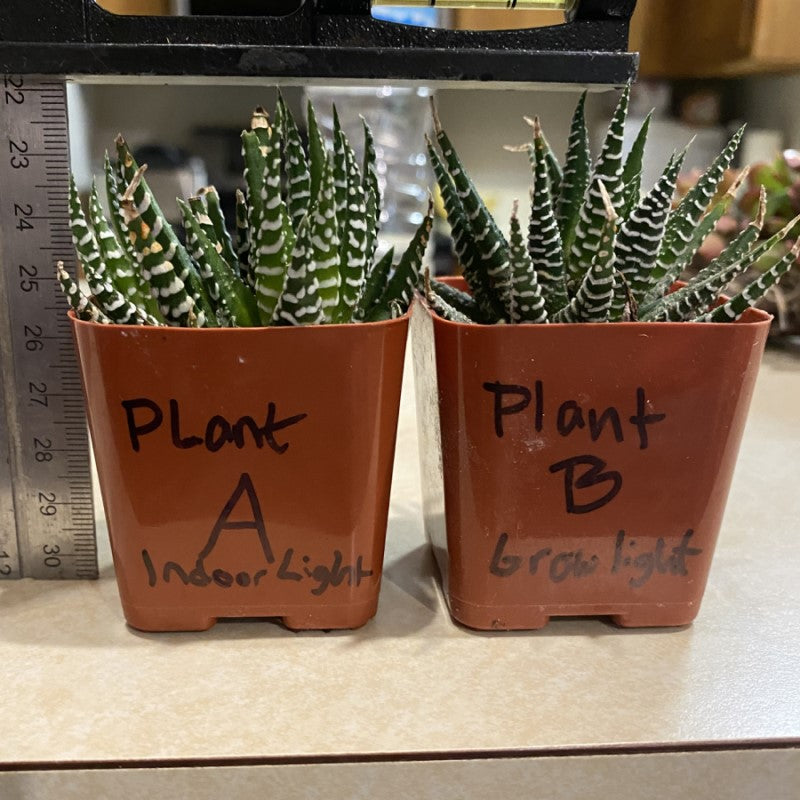
Plants need light for photosynthesis, but they also need darkness. Light cycles mimic day and night. Most plants grow best with 12 to 16 hours of light each day. Too much light can stress plants. Too little slows growth. Adjusting light time helps plants rest and grow strong.
Customizing Light Spectra
Light comes in different colors, called spectra. Plants use mostly red and blue light for growth. Blue light helps leaves grow. Red light helps flowers and fruits develop. Using lights that mix these colors helps plants grow healthy. Special LED lights provide the right spectra for each plant stage.
Combining Light With Nutrient Management
Light alone does not make plants grow well. Plants need good nutrients too. Water and soil must have the right minerals. Artificial light increases plant energy needs. Feeding plants with proper nutrients supports strong roots and leaves. Balanced nutrition and light help plants grow faster and healthier.
Common Challenges And Solutions
Growing plants under artificial light has many benefits but also some challenges. These challenges can affect plant health and growth. Knowing common problems helps you fix them fast. This section covers key issues and easy solutions.
Preventing Light Burn
Light burn happens when plants get too much light. Leaves turn yellow or brown and can die. Keep lights at a safe distance from plants. Use adjustable light fixtures to change height as plants grow. Check leaves daily for signs of stress. Reduce light intensity if you see damage.
Managing Heat Output
Artificial lights can produce heat that harms plants. Too much heat dries out soil and leaves. Use LED lights as they create less heat. Place fans or ventilation near plants to cool the area. Monitor temperature regularly. Keep it between 65 and 75 degrees Fahrenheit for most plants.
Ensuring Even Light Distribution
Uneven light causes some plants to grow well and others to struggle. Move plants often to give all sides light. Use reflectors or white walls to spread light better. Arrange lights to cover all plants equally. This helps plants grow strong and healthy.
Credit: harddy.com
Successful Plants For Artificial Lighting
Plants can thrive under artificial light if chosen carefully. Some plants need less natural sunlight and do well indoors under grow lights. Selecting the right plants ensures better growth and health. Here are some types that grow well with artificial lighting.
Herbs And Vegetables
Herbs like basil, mint, and parsley grow well under artificial light. They need about 12 to 16 hours of light daily. Leafy vegetables such as lettuce and spinach also do well. These plants have simple light needs and grow fast indoors. Growing herbs and vegetables inside saves space and provides fresh food.
Ornamental Plants
Many ornamental plants adapt to artificial light easily. Pothos, snake plants, and spider plants are good examples. They survive in low to moderate light and are very forgiving. These plants add beauty and clean indoor air. Their simple care makes them popular houseplants under artificial lighting.
Rare And Exotic Species
Some rare plants grow well under specific artificial light. Orchids and bromeliads thrive with the right light spectrum. They need steady light and careful watering. These exotic species bring a unique touch to indoor spaces. Proper light helps them bloom and stay healthy indoors.

Credit: myplantin.com
Frequently Asked Questions
Can Plants Grow Well Under Artificial Light?
Yes, many plants can grow well under artificial light. Proper light spectrum and intensity are essential. LED grow lights are popular for indoor gardening. They provide the necessary light for photosynthesis, promoting healthy growth.
What Types Of Artificial Light Support Plant Growth?
LED, fluorescent, and incandescent lights support plant growth. LEDs are energy-efficient and customizable for different plant needs. Fluorescent lights work well for seedlings and low-light plants. Incandescent lights are less efficient but can be used for supplemental lighting.
How Long Should Plants Be Exposed To Artificial Light?
Plants typically need 12 to 16 hours of artificial light daily. This duration mimics natural sunlight cycles. Too much light can stress plants, while too little slows growth. Adjust timing based on plant species and growth stage.
Are Artificial Lights Better Than Natural Sunlight For Plants?
Artificial lights can be effective but usually don’t replace natural sunlight fully. They are useful indoors or in low-light conditions. Artificial lights provide controlled environments, but sunlight offers a complete light spectrum for optimal growth.
Conclusion
Plants can grow well under artificial light. They need light for photosynthesis, and many lights provide this. Different types of lights suit different plants. You can grow plants indoors all year round. Artificial light helps when sunlight is not enough.
It’s important to choose the right light type and duration. Watching your plants grow under these lights is rewarding. Growing plants indoors becomes easier with artificial light. It offers flexibility and control over plant care. Try it and see your plants thrive inside your home.
As an Amazon Associate, I earn from qualifying purchases.