Choosing the right height for your TV stand can completely change your viewing experience. You might not realize it, but a stand that’s too tall or too short can cause neck strain and ruin your comfort.
If you want to watch your favorite shows without discomfort and make your room look just right, knowing how tall your TV stand should be is key. You’ll discover simple tips to find the perfect height that fits your space and your TV.
Keep reading to transform your living room into a cozy, eye-friendly entertainment zone.
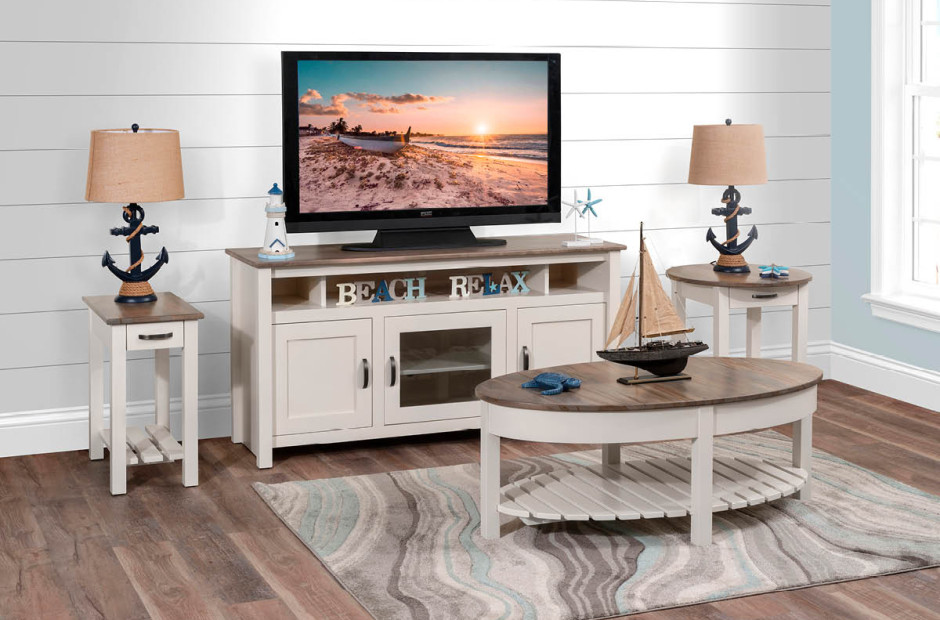
Credit: www.countrysideamishfurniture.com
Ideal Viewing Height
Finding the ideal viewing height for your TV stand helps create a comfortable watching experience. The right height reduces neck strain and eye fatigue. It ensures your eyes meet the center of the screen naturally. This makes watching TV relaxing and enjoyable.
Eye Level Measurement
Measure the height of your eyes when seated. Sit in your usual watching spot. Use a tape measure to find the distance from the floor to your eyes. This number is key for choosing your TV stand height. The TV screen center should align close to this eye level.
Seating Position Impact
Your seating type affects the best TV stand height. Sofas, recliners, or chairs all place your eyes at different heights. Make sure to measure from the actual seat you use. Adjust your TV stand height based on this measurement. This keeps your viewing angle comfortable and natural.
Common Tv Stand Heights
Choosing the right height for a TV stand improves your viewing comfort. Common TV stand heights vary to fit different room setups and TV sizes. Knowing these heights helps you pick the best stand for your space.
Standard Sizes
Most TV stands range from 20 to 30 inches tall. This height suits most living rooms and seating arrangements. Stands around 24 inches are very popular. They place the TV at eye level when sitting on a couch. This reduces neck strain and improves viewing comfort. Standard sizes also fit TVs from 40 to 65 inches wide. These stands often include shelves or cabinets for devices and storage.
Custom Options
Custom TV stands allow you to choose any height you want. This option is useful for rooms with unique furniture or TV sizes. Taller stands work well for high seating like bar stools. Shorter stands suit low-profile furniture or modern designs. You can also add extra features like adjustable shelves or cable management. Custom options ensure your TV setup fits perfectly in your room.
Room Layout Considerations
Choosing the right height for a TV stand depends a lot on your room layout. The space around your TV, the distance from where you sit, and how you place the TV all affect your viewing comfort. This section covers key points to help you decide the best TV stand height for your room.
Distance From Seating
The distance between your seating and TV matters for stand height. If you sit far, the TV should be higher to keep your neck relaxed. Sitting close means the TV can be lower for better eye level. Measure the distance and adjust the stand height so the middle of the screen is at your eye level when seated.
Wall Mounting Vs Stand
Wall mounting changes the need for a TV stand. A mounted TV can be placed at any height you want. Without mounting, the TV stand must hold the TV at a comfortable height. Think about the TV size and stand height together. The stand should raise the TV to eye level for the best view and less neck strain.
Tv Size And Stand Height
Choosing the right TV stand height depends a lot on your TV size. The size affects how high the stand should be. A good fit helps you watch comfortably without neck pain. It also makes your room look balanced and neat.
Screen Dimensions
TV size is measured diagonally from corner to corner. Common sizes range from 32 inches to over 75 inches. Bigger screens need lower stands. This keeps the screen at eye level. Smaller TVs can sit on higher stands. Always measure your screen before buying a stand.
Viewing Angle Adjustments
Your TV stand should allow easy changes to the viewing angle. Tilting or swiveling helps reduce glare and improve picture quality. A stand that is too tall or too short limits these movements. Adjustable stands give more comfort. They make sure you see the screen clearly from any seat.
Ergonomics For Comfort
Choosing the right height for a TV stand is important for comfort. Ergonomics helps keep your body relaxed during viewing. This means less pain and more enjoyment while watching TV. Proper TV stand height supports your neck and eyes. It also helps you sit in a healthy position.
Neck And Eye Strain Prevention
Watching TV at the wrong height can cause neck pain. Looking too high or too low strains your neck muscles. Your eyes can also get tired from looking at the wrong angle. A TV stand should place the screen at eye level. This reduces the need to tilt your head up or down. Keeping the screen steady helps your eyes stay relaxed.
Optimal Sitting Posture
Sitting correctly improves comfort and reduces body stress. Your back should be straight with support. Feet flat on the floor help keep balance. The TV screen should be directly in front of you. This stops you from twisting your body or leaning forward. A well-chosen TV stand height helps maintain this posture easily.
Stand Design And Storage
Choosing the right TV stand involves more than height. The design and storage features impact your room’s look and function. A good stand holds your TV safely and keeps your space tidy. It fits your style and offers enough room for your devices and accessories.
Material Choices
TV stands come in wood, metal, glass, and plastic. Wood offers a classic and warm feel. Metal looks modern and strong. Glass gives a sleek and light appearance. Plastic is lightweight and budget-friendly. Pick a material that matches your room’s style and durability needs.
Space For Accessories
Consider space for devices like DVD players, game consoles, and speakers. Shelves, drawers, and cabinets help organize cables and remotes. Open shelves offer quick access but need neat cable management. Closed storage hides clutter and keeps dust away. Choose a stand with enough space for all your accessories.
Adjustable And Diy Stands
Adjustable and DIY TV stands offer great options for those who want more control over their TV setup. These stands let you change the height as needed. They also allow you to fit the stand to your room and style. This flexibility helps you find the perfect viewing angle and comfort level.
DIY stands give you the chance to create something unique. You can use materials and designs that match your home. This way, your TV stand becomes both functional and personal. Adjustable stands save space and adapt to different TV sizes easily.
Height Flexibility
Adjustable stands let you set the TV height just right. You can raise or lower the screen to match your eye level. This reduces neck and eye strain during long watching sessions. Some stands come with easy-to-use levers or screws for quick changes. Flexibility also means you can share the TV with people of different heights. It suits both sitting and standing positions. This feature makes adjustable stands very practical in any room.
Customization Tips
Start by measuring your ideal viewing height. Think about where you sit most of the time. Choose materials that fit your room’s style and colors. Simple wood or metal can look great and last long. Add shelves or compartments for extra storage. This helps keep remotes and devices organized. Consider adding wheels for easy movement. Paint or stain DIY stands to match your decor. Small details make a big difference in the final look. Customizing your stand ensures comfort and style together.

Credit: tribesigns.com

Credit: www.giratree.com
Frequently Asked Questions
What Is The Ideal Height For A Tv Stand?
The ideal TV stand height is usually eye level when seated. This ranges from 24 to 36 inches. Proper height reduces neck strain and enhances viewing comfort. Adjust based on sofa height and TV size for best results.
How To Measure Tv Stand Height Correctly?
Measure from the floor to your eye level while seated. Subtract half the TV’s height from this number. This ensures the screen’s center aligns with your eyes. Proper measurement improves viewing angles and comfort.
Does Tv Size Affect Stand Height Choice?
Yes, larger TVs often need taller stands to keep the screen center at eye level. Smaller TVs can use shorter stands. Always match stand height with both TV size and seating position for optimal viewing.
Can A Tv Stand Be Too Tall Or Short?
Yes, too tall or too short stands cause neck strain and poor viewing angles. The TV center should align with your seated eye level. Choose a stand height that balances comfort and aesthetics.
Conclusion
Choosing the right TV stand height improves your viewing comfort. Aim for eye level when seated to reduce neck strain. Consider your sofa height and room layout too. A well-sized stand keeps your space neat and balanced. Small adjustments make a big difference in your experience.
Take your time to measure and decide carefully. Your TV setup should feel natural and easy to watch. Simple steps lead to better entertainment at home.
As an Amazon Associate, I earn from qualifying purchases.