Are reclining chairs really bad for your back? If you’ve ever wondered whether that comfy seat is helping or hurting your spine, you’re not alone.
Your back plays a huge role in how you feel every day, so it’s important to know what kind of support it needs. You’ll discover the surprising truth about reclining chairs and your back health. Keep reading to find out how to enjoy comfort without causing pain or damage.
Your back will thank you.
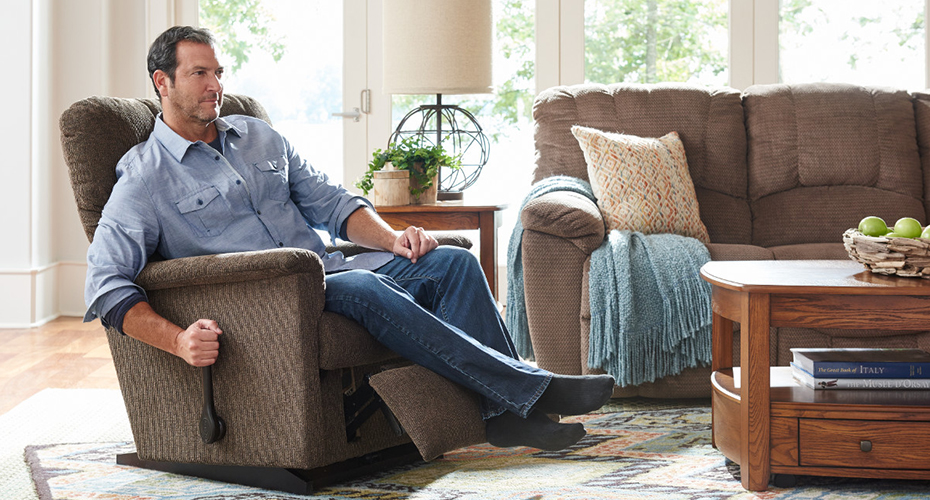
Credit: furnitureacademy.com
How Reclining Chairs Affect Your Spine
Reclining chairs change the way your spine holds your body. They allow you to lean back and relax. This shift can affect your spine in different ways.
Some effects are good, offering relief. Others might cause discomfort if the chair does not support well. Understanding these effects helps you choose the right chair.
Impact On Spinal Alignment
Spinal alignment means keeping the spine in its natural curve. A good recliner supports this curve. It keeps your neck, back, and hips in line.
Bad alignment can cause pain and stiffness. Recliners that tilt too far back may strain your lower back. Proper support helps avoid these problems.
Pressure Distribution And Support
Reclining chairs spread your body weight across a larger area. This reduces pressure on your lower back and hips. Even pressure helps prevent soreness.
Good chairs have cushioning that supports your spine evenly. Poorly designed chairs create pressure points. These can lead to discomfort after sitting for long times.
Benefits Of Using Reclining Chairs
Reclining chairs offer several benefits that support your back and overall comfort. These chairs adjust to different positions, helping you find the best posture. They allow your spine to rest naturally, reducing strain and pressure. Many people enjoy using reclining chairs to ease tension after long hours of sitting or standing.
Relief From Back Pain
Reclining chairs help reduce stress on your lower back. By reclining, you distribute your body weight more evenly. This reduces pressure on your spine and muscles. It can ease pain caused by poor posture or long sitting periods. A gentle recline supports the natural curve of your spine. This support helps prevent stiffness and discomfort.
Improved Circulation
Reclining positions promote better blood flow throughout your body. Raising your legs slightly helps reduce swelling and fatigue. Improved circulation delivers more oxygen to your muscles. This helps reduce numbness and tiredness in your limbs. Good blood flow also supports faster recovery after physical activity. It keeps your body feeling refreshed and energized.
Enhanced Relaxation
Reclining chairs provide a comfortable space to unwind. The adjustable positions let you find your perfect angle. This helps reduce muscle tension and stress. Relaxing in a reclined position calms your mind and body. It can improve your mood and help you sleep better. A relaxed body supports a healthy back and overall wellbeing.
Potential Risks Of Reclining Chairs
Reclining chairs offer comfort but may pose risks to your back. Understanding these risks helps you use them wisely. Some issues arise from how you sit, how often you use the chair, and the chair’s design itself.
Poor Posture Habits
Reclining chairs can encourage slouching or awkward positions. Many people lean too far back or twist their spine. This causes strain on muscles and discs in the lower back. Poor posture over time can lead to pain and stiffness.
Overuse And Dependency
Sitting too long in a reclining chair reduces movement. Your back muscles become weak from lack of use. Relying on the chair for long periods may worsen back problems. It is important to change positions and take breaks.
Unsuitable Chair Designs
Some reclining chairs lack proper lumbar support. The seat angle or cushioning may not fit your body well. Chairs that do not support the natural curve of your spine cause discomfort. Choosing the right chair design is key for back health.

Credit: mysleepyhead.com
Tips For Choosing The Right Reclining Chair
Choosing the right reclining chair matters for your back health. A good chair supports your spine and reduces pain. It helps you sit comfortably for hours. Use these tips to find a chair that fits your needs and body well.
Ergonomic Features To Look For
Choose chairs with good lumbar support. This helps keep your lower back in a natural curve. Look for chairs that support the neck and head too. Proper support prevents strain and stiffness. A chair with a firm but cushioned seat works best.
Adjustability And Support Options
Pick chairs with adjustable backrests and footrests. You can change positions to reduce pressure points. Adjustable armrests help keep shoulders relaxed. Check if the chair allows you to lock the recline angle. This keeps you steady and safe.
Material And Build Quality
Choose chairs made of strong frames like wood or metal. A sturdy frame lasts longer and offers better support. The fabric should be breathable and soft. Avoid chairs that feel too hard or too soft. Quality materials improve comfort and durability.
Proper Sitting And Reclining Techniques
Proper sitting and reclining techniques help protect your back from pain. Sitting or reclining the wrong way can cause stress on your spine. Learning how to position your body correctly keeps your back healthy. Small changes in how you sit or recline make a big difference.
Follow these simple tips to support your back during long sitting or reclining periods.
Maintaining Neutral Spine Position
Keep your spine in a natural curve while sitting. Avoid slouching or leaning too far back. Your ears, shoulders, and hips should line up straight. Support your lower back with a cushion if needed. This position reduces pressure on spinal discs and muscles.
Adjusting Chair Angles Correctly
Set your chair’s backrest to a slight recline between 100 and 110 degrees. This angle reduces pressure on your lower back. Avoid reclining too far back, which strains your spine. Adjust the seat height so your feet rest flat on the floor. Proper angles help distribute your weight evenly.
Incorporating Movement Breaks
Stand up and stretch every 30 minutes. Moving helps improve blood flow and reduces stiffness. Gentle stretches for your back and legs ease muscle tension. Short breaks prevent your muscles from becoming tight. Regular movement supports overall spine health.
When To Avoid Reclining Chairs
Reclining chairs offer comfort but are not always suitable for everyone. Knowing when to avoid them can protect your back from pain or injury. Certain health conditions and situations require caution.
Existing Back Conditions
People with chronic back pain or spinal problems should be careful. Reclining chairs may worsen their symptoms by putting uneven pressure on the spine. Conditions like herniated discs or sciatica need special attention. Choosing the right chair is important for proper support.
Post-surgery Considerations
After back surgery, the spine needs time to heal fully. Using a reclining chair too soon can delay recovery. It may cause strain or improper posture during the healing process. Follow your doctor’s advice on sitting and resting positions carefully.
Consulting Healthcare Professionals
Doctors and physical therapists understand your back health best. They can recommend whether a reclining chair suits your needs. A professional assessment helps avoid future pain or injury. Always ask for guidance before using new furniture for your back.

Credit: www.youtube.com
Frequently Asked Questions
Are Reclining Chairs Harmful To Back Health?
Reclining chairs can be harmful if they lack proper lumbar support. Sitting long hours without support may strain your lower back. Choosing chairs with adjustable features helps maintain natural spine alignment and reduces back pain risks.
How Does Reclining Affect Spinal Alignment?
Reclining distributes body weight more evenly, reducing pressure on spinal discs. Proper recline angles support the natural curve of the spine. Incorrect recline positions may cause slouching, leading to discomfort and poor posture over time.
Can Reclining Chairs Relieve Back Pain?
Yes, reclining chairs with ergonomic design can relieve back pain. They reduce pressure on the spine and improve blood circulation. However, prolonged sitting without movement can worsen pain, so regular breaks are essential.
What Features Make Reclining Chairs Back-friendly?
Back-friendly reclining chairs include adjustable lumbar support, headrests, and reclining angles. Firm cushioning that supports natural spine curves is vital. Chairs with footrests and swivel bases improve comfort and reduce muscle strain.
Conclusion
Reclining chairs are not bad for your back if used right. Choosing a chair with good support helps a lot. Sitting too long in one position can cause problems. Changing your posture often keeps your back healthy. Use the recline feature to relax, not to slouch.
Adding cushions can improve comfort and support. Remember to stand and stretch every hour or so. Your back feels better with balanced sitting and moving. A good chair is one part of a healthy routine. Take care of your back—it matters every day.
As an Amazon Associate, I earn from qualifying purchases.