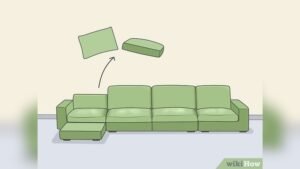
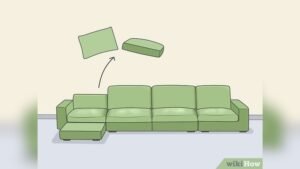
Are you ready to move your sectional sofa but worried about how to take it apart without damaging it? Disassembling a sectional sofa might seem tricky, but with the right steps, you can do it quickly and safely.
Imagine saving time, avoiding heavy lifting, and making your move or home makeover much easier. In this guide, you’ll learn simple, clear instructions to break down your sectional sofa piece by piece. Keep reading to discover how to handle your furniture like a pro and make your next move stress-free.
Tools Needed
Disassembling a sectional sofa requires the right tools. Having them ready makes the job easier and faster. You can avoid damage and frustration with proper equipment.
Gathering tools before starting saves time. It also helps keep everything organized. Below are the main tools needed for this task.
Screwdriver Set
A screwdriver set with various heads is essential. Most sectional sofas use screws to hold parts together. Flathead and Phillips screwdrivers cover most needs.
Allen Wrenches
Many sofas use hex bolts. Allen wrenches fit these bolts perfectly. They come in different sizes. A set with multiple sizes is best.
Rubber Mallet
A rubber mallet helps separate pieces without damage. It applies gentle force. This tool is better than a metal hammer for furniture.
Pliers
Pliers help grip and pull out stubborn connectors. They are useful for removing staples or clips. Needle-nose pliers are especially handy.
Utility Knife
A utility knife cuts through fabric or tape. Use it carefully to avoid damage. It can help remove protective covers or ties.
Credit: www.youtube.com
Prepare The Area
Preparing the area is the first step to disassemble a sectional sofa safely and efficiently. A clean, organized space helps prevent damage and makes the process smoother. Clear enough room around the sofa to move parts easily. Remove any rugs or fragile items nearby to avoid accidents or stains.
Gather all necessary tools before starting. Keep a screwdriver, wrench, and any special tools handy. Having tools within reach saves time and keeps you focused on the task.
Clear The Surrounding Space
Move furniture and objects away from the sofa. Create a wide working area to avoid bumping into things. This space reduces stress and allows easy access to all sofa sections.
Protect The Floor
Place a blanket or cardboard under the sofa base. This prevents scratches on hardwood or tile floors. Floor protection also catches dust or debris falling during disassembly.
Gather Required Tools
Collect screwdrivers, hex keys, and pliers before starting. Check the sofa’s manual for any unique tools needed. Organize tools in one spot to avoid searching mid-task.
Remove Cushions And Accessories
Take off all cushions, pillows, and removable covers. Set them aside in a clean area. This step makes it easier to see screws and bolts clearly.
Remove Cushions And Pillows
Removing cushions and pillows is the first step to disassemble your sectional sofa. This step makes the process easier and prevents damage. Cushions and pillows can be heavy and bulky. Taking them off clears the way to access the sofa frame and connectors.
Carefully removing cushions keeps them clean and safe. It also helps you organize the pieces for moving or storage. Each cushion and pillow may have different attachments or placements. Knowing how to remove them properly saves time and effort.
Start With Loose Cushions
Begin by lifting loose cushions from the seating area. Most cushions simply rest on the sofa frame. Pull them gently to avoid tearing the fabric. Set cushions aside on a clean surface to keep them dust-free.
Remove Attached Cushions
Some cushions are attached with Velcro or snaps. Check the cushion’s base to find these fasteners. Undo them carefully to avoid damage. Pull the cushion away from the sofa frame once fasteners are undone.
Take Off Pillows
Pillows usually sit loosely on the sofa. Grab each pillow by the corners and lift it off. If the pillow has a zipper, zip it up before moving. This helps keep the pillow’s shape and stuffing intact.
Store Cushions And Pillows Safely
Place cushions and pillows in a clean area away from dirt. Use plastic bags or covers for protection during storage. Keep them flat or upright to avoid wrinkles and damage.
Credit: sofamover.com
Disconnect Sections
Disconnecting the sections of a sectional sofa is the key step to take it apart safely. Each piece connects tightly to keep the sofa stable. Knowing how to disconnect these parts makes moving or cleaning easier. Take your time and follow clear steps for best results.
Locate Connectors
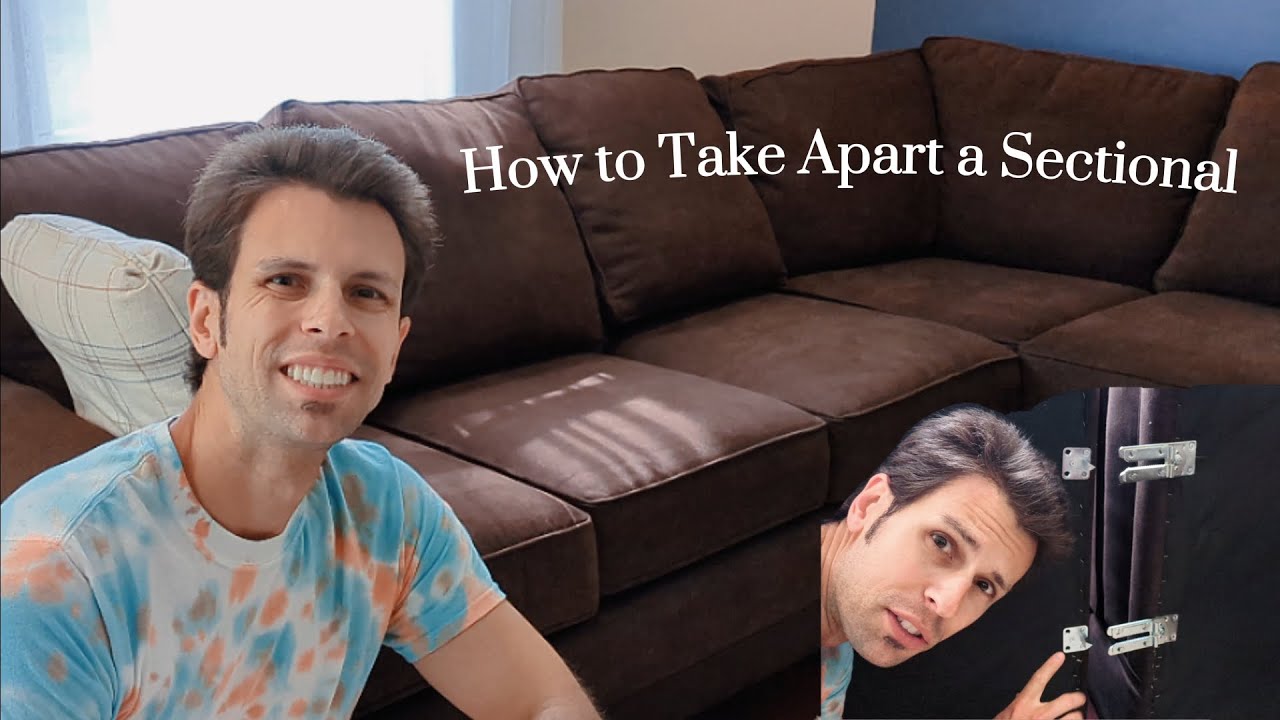
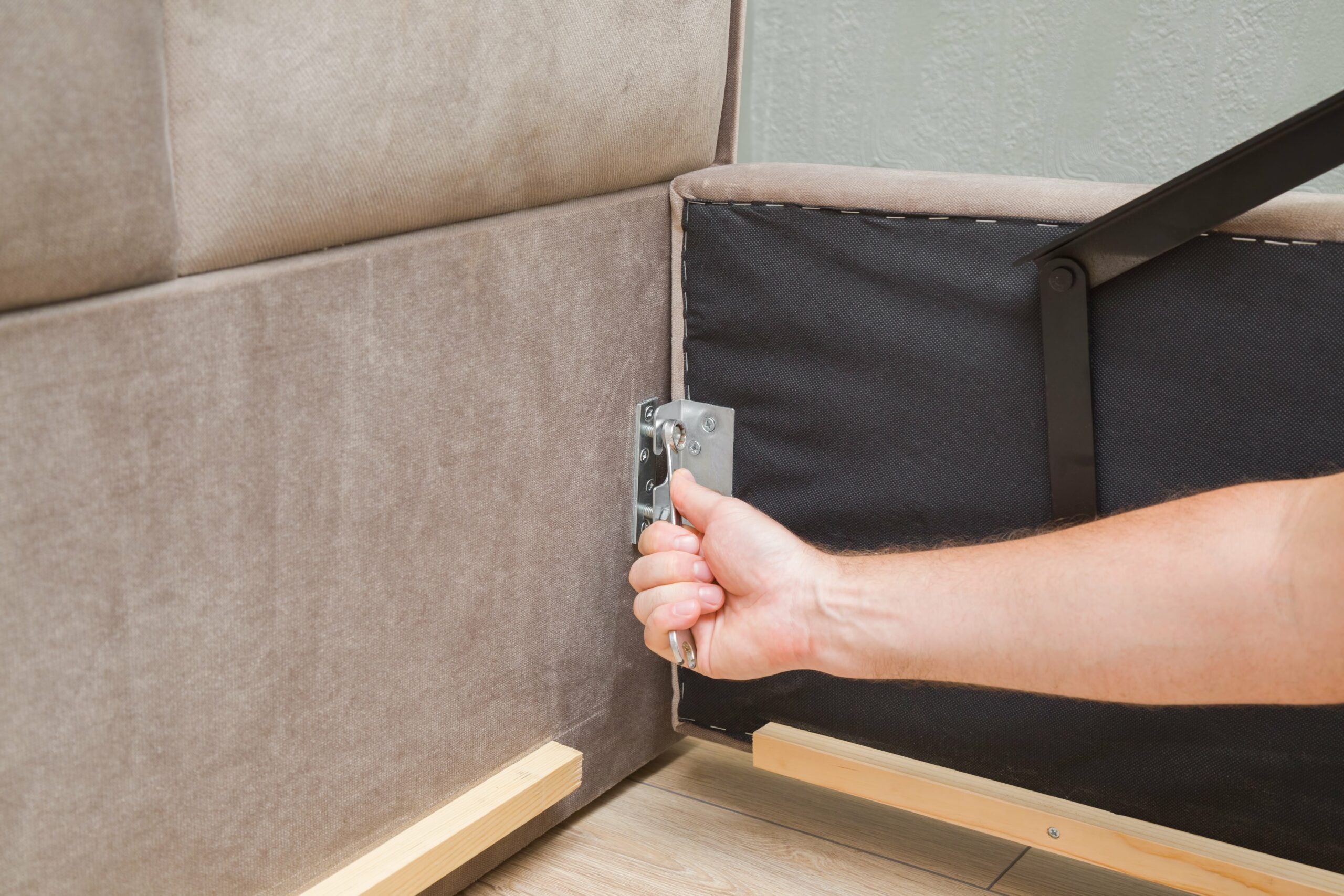
Start by finding the connectors between each sofa section. These connectors hold the pieces together firmly. They can be metal hooks, clips, or brackets under the cushions or along the frame. Check carefully along the bottom edges and corners. Knowing the exact spots helps avoid damage when pulling pieces apart.
Release Clips And Fasteners
Once you find the connectors, look for clips or fasteners that lock them in place. Use your hands or a tool like a flat screwdriver to gently release these. Push, lift, or slide the clips according to their design. Work slowly to prevent breaking any parts. After releasing, you can carefully pull the sections apart without force.
Handle Corner Pieces
Corner pieces in sectional sofas often puzzle many during disassembly. These pieces connect other sections and hold the sofa’s shape. Handling them carefully avoids damage and makes the process easier.
Understanding how to detach corner pieces helps keep the sofa intact. It also saves time and effort during moving or cleaning.
Identify Connection Points
Look under the corner piece for clips or brackets. These parts link the corner to adjacent sections. Some sofas use hooks, others use screws or bolts. Knowing the type of connector helps in choosing the right tool.
Gather Necessary Tools
Prepare screwdrivers, pliers, or Allen wrenches. These tools fit most connection types. Having them ready speeds up the removal process. Avoid using force to prevent breaking the sofa frame.
Detach The Corner Piece
Start by loosening screws or bolts carefully. If clips hold the piece, gently unhook them. Pull the corner piece away slowly to check for hidden connections. Keep all hardware in a safe place for reassembly.
Handle With Care
Corner pieces can be heavy or bulky. Use both hands to lift and move them. Avoid dragging on the floor to prevent damage. Place the piece on a soft surface during storage or transport.
Detach Legs And Feet
Detaching the legs and feet from a sectional sofa is an important first step in disassembly. Removing them makes the sofa lighter and easier to handle. It also prevents damage to the legs during moving or storage.
Most sectional sofas have legs that either screw in or are attached with bolts. Knowing the type of attachment helps speed up the removal process. Keep all screws and bolts safe for reassembly later.
Check The Type Of Legs
Look under the sofa to find how the legs are fixed. Some legs twist off by hand. Others need a wrench or screwdriver to remove bolts. Identifying the type saves time and effort.
Use Proper Tools
Gather tools like a screwdriver, wrench, or pliers. Using the right tool prevents damage. Avoid forcing legs off without the correct equipment.
Remove Legs Carefully
Turn legs counterclockwise to unscrew if they twist off. For bolted legs, loosen bolts slowly. Keep the sofa steady to avoid tipping. Place removed legs in a safe box or bag.
Inspect Legs And Feet
Check legs for damage or loose parts. Tighten any loose screws before storage. Fix or replace damaged legs to keep the sofa stable later.
Organize And Store Parts
After disassembling your sectional sofa, organizing and storing the parts is essential. Proper storage keeps everything safe and easy to find. It prevents damage and saves time during reassembly.
Sorting each piece carefully helps you keep track of all parts. It also stops small items from getting lost or mixed up with other tools.
Label Sections
Label each section clearly with a marker or tape. Write simple names like “left arm,” “middle seat,” or “corner piece.” Use large, easy-to-read letters.
Attach the labels to the parts with masking tape or stickers. This method helps you identify pieces quickly later. It also avoids confusion during reassembly.
Pack Hardware
Collect all screws, bolts, and small hardware in one container. Use small plastic bags or jars to hold these items. Label each container to match the sofa section.
Keep the hardware containers in a safe place. This step prevents losing essential parts. It makes putting your sofa back together faster and easier.
Tips For Easy Setup
Setting up a sectional sofa can feel tricky at times. Simple tips make the process smoother and faster. These tips save time and reduce stress during setup.
Keep your workspace clear. Organize all parts before starting. This helps avoid confusion and lost pieces.
Use A Helper
Having a helper makes setup easier. Two people can handle heavy pieces safely. A helper holds parts steady while you connect them. Teamwork speeds up the entire process.
Follow Manufacturer Instructions
Manufacturer instructions guide each step clearly. They show the right order to connect parts. Following instructions prevents damage to the sofa. Check for any special tools needed. Keep the manual nearby during setup for quick reference.

Credit: fitmysofany.com
Frequently Asked Questions
How Do I Start Disassembling A Sectional Sofa?
Begin by removing all cushions and pillows. Locate visible screws, bolts, or clips holding sections together. Use appropriate tools like a screwdriver or wrench to detach connectors carefully.
What Tools Are Needed To Disassemble A Sectional Sofa?
Common tools include screwdrivers, Allen wrenches, and pliers. A rubber mallet might help loosen tight joints. Having a set of basic hand tools ensures smooth disassembly.
How To Safely Separate Sectional Sofa Pieces?
Support each section firmly while detaching connectors. Avoid forcing parts apart to prevent damage. Work slowly and ask for help if pieces are heavy or bulky.
Can I Disassemble A Sectional Sofa Without Instructions?
Yes, but check for visible fasteners and connection points first. Take photos during disassembly to aid reassembly. Be cautious to avoid damaging hidden components.
Conclusion
Disassembling a sectional sofa is easier than it seems. Take your time and follow each step carefully. Keep track of all screws and parts during the process. Use simple tools to avoid damage or injury. With patience, you can separate the pieces safely.
This helps when moving or cleaning your sofa. Remember, practice makes perfect. Soon, you will feel confident handling your sectional sofa. Give yourself enough space to work comfortably. Enjoy the task and the results afterward.
As an Amazon Associate, I earn from qualifying purchases.