Do you need to move or clean your sectional sofa but aren’t sure how to separate it without hassle? You’re not alone.
Sectionals can be tricky because of their size and how the pieces fit together. But don’t worry—this guide will show you simple, step-by-step ways to break down your sectional quickly and safely. By the end, you’ll feel confident handling your sofa like a pro, saving time and avoiding damage.
Keep reading to discover the easy tricks you need to know!
Tools Needed
Separating a sectional sofa is easier with the right tools. Having these tools ready saves time and prevents damage. Each tool plays a specific role in making the process smooth.
Socket Wrench Or Ratchet
A socket wrench or ratchet helps remove bolts holding the sections together. It fits different bolt sizes for quick loosening. This tool provides better grip and control than a regular wrench.
Screwdriver Set
Screwdrivers are necessary for screws on brackets or connectors. A set with both flathead and Phillips heads covers most screws. Using the correct screwdriver avoids stripping screws.
Rubber Mallet
A rubber mallet gently taps parts apart without causing damage. It is softer than a hammer and won’t dent wood or metal. This tool helps separate tight joints carefully.
Utility Knife
A utility knife cuts through fabric or tape holding cushions or covers. Sharp blades make precise cuts without tearing fabric. Handle carefully to avoid injury or sofa damage.
Work Gloves
Work gloves protect your hands from sharp edges and rough surfaces. They improve grip on small parts and tools. Gloves keep hands clean and safe during the task.
Preparing The Sofa
Preparing the sofa is an important step before separating a sectional sofa. It helps protect your furniture and makes the process easier. Taking time to get the sofa ready will save effort and prevent damage.
Clear The Area
Start by clearing the space around your sectional sofa. Move any nearby furniture or objects out of the way. This creates enough room to work and move the sofa parts safely. A clear area reduces the risk of accidents or scratches on the floor.
Remove Cushions And Accessories
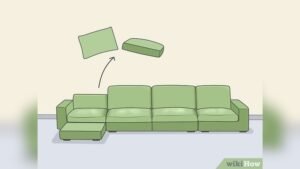
Next, take off all cushions, pillows, and any accessories on the sofa. Removing these items lightens the pieces and keeps them safe. It also allows you to see the connectors or clips that hold the sections together. Keep the cushions in a safe spot to avoid losing or damaging them.
Identifying Connection Points
Identifying connection points is the first step to separate a sectional sofa. These points hold the pieces together. Knowing where they are helps to disconnect the sections safely. Look closely at the sofa’s base and sides. The connections might be visible or hidden. Being careful avoids damage and makes the process easier.
Locate Clips And Brackets
Clips and brackets are common connectors on sectional sofas. They usually appear as metal or plastic parts. Check where two pieces meet. Feel for small hooks or clips under the cushions or along the frame. Some clips snap in place and need a gentle pull to release. Brackets might be screwed in or slide apart. Use your hands to test these parts carefully.
Check For Hidden Fasteners
Some sofas use hidden fasteners for a clean look. These fasteners hide under fabric or padding. Look under the cushions and at the back of the sofa. Use a flashlight if needed. Fasteners can include Velcro strips, magnets, or metal plates. Press or lift these areas gently to find how they connect. Spotting these fasteners helps separate the sofa without damage.

Credit: www.reddit.com
Detaching Sections Safely
Detaching sections of a sectional sofa can feel tricky. Doing it safely protects your sofa and prevents injury. Taking small steps and being careful makes the process smooth. Follow simple tips to separate your sofa without damage.
Unlocking Clips
Most sectional sofas have clips that hold pieces together. These clips are under the cushions or at the base. Find these clips by feeling along the sofa edges. Use your hands to gently press or pull the clips. Avoid using sharp tools that can break the clips or fabric. Once the clips release, the sections are ready to separate.
Separating The Pieces
After unlocking clips, move the sections apart slowly. Hold the sofa firmly to stop it from tipping. Pull pieces straight away from each other, not at an angle. If the sections resist, check for hidden clips or connectors. Keep your back straight and lift with your legs if needed. This method prevents damage and keeps you safe.
Handling Heavy Parts
Handling the heavy parts of a sectional sofa can be tough. These pieces often weigh a lot and are bulky. Moving them alone might cause injury or damage. Careful planning and the right tools help make the process safer and easier. Follow these tips to handle heavy parts without strain.
Team Lifting Tips
Lift heavy parts with at least one other person. Teamwork splits the weight and reduces effort. Communicate clearly before lifting. Decide who leads the move and set a pace. Bend your knees and keep your back straight. Carry the piece close to your body. Avoid twisting or sudden movements. Take breaks if needed. Working together helps protect your back and the sofa.
Using Furniture Sliders
Furniture sliders reduce friction and ease moving. Place sliders under the sofa corners or legs. They help glide heavy parts across floors. Use sliders on carpet or hard floors alike. Push gently instead of lifting when possible. Sliders prevent scratches on floors and damage to the sofa. They make moving large pieces faster and less tiring.
Storing And Transporting Sections
Separating a sectional sofa is only the first step. Proper storage and transport protect your furniture. Keep the sections safe from damage and dirt. Plan ahead to avoid stress during moves.
Protecting Upholstery
Cover each section with a soft cloth or blanket. Avoid plastic wraps that trap moisture and cause mold. Use furniture pads or bubble wrap on corners and edges. This prevents scratches and tears during moving.
Keep the sofa away from direct sunlight or damp places. Moisture can cause fabric stains and damage the frame. Store in a cool, dry area to maintain quality.
Labeling For Reassembly
Mark each section clearly before moving. Use masking tape and write numbers or letters on each piece. This helps you know where each section fits later.
Take photos of the sofa before disassembly. Pictures guide you during reassembly. Keep all screws and hardware in labeled bags. This saves time and avoids losing parts.
Quick Reassembly Tips
Quick reassembly after separating your sectional sofa saves time and effort. Follow simple steps to fit pieces back perfectly. Keep all parts handy. This helps avoid confusion during reassembly.
Aligning Sections
Start by matching the edges of each sofa piece. Check the shape and size before joining them. Hold the sections steady to avoid slipping. Good alignment keeps the sofa stable and neat.
Securing Clips And Brackets
Look for clips or brackets under the sofa corners. These parts lock sections together firmly. Press or slide them into place carefully. Tight connections prevent the sofa from moving apart.

Credit: www.wikihow.com

Credit: www.homedit.com
Frequently Asked Questions
How Do You Detach Sectional Sofa Pieces?
To detach sectional sofa pieces, locate the connecting clips or brackets underneath. Unfasten them carefully using your hands or a screwdriver. Gently pull the sections apart, ensuring no damage to connectors or upholstery. This method keeps the sofa intact and easy to reassemble later.
What Tools Are Needed To Separate A Sectional Sofa?
Most sectional sofas require no tools; just hand separation works. Some models may need a screwdriver to unclip fasteners. Always check the manufacturer’s instructions first. Having a flashlight helps to see connectors clearly underneath the sofa.
Can I Separate A Sectional Sofa Without Damaging It?
Yes, you can separate a sectional sofa without damage. Work slowly and carefully to avoid tearing fabric or breaking connectors. Use proper techniques like unfastening clips gently. Avoid forcing parts apart to keep your sofa in good condition.
How Do I Move A Sectional Sofa After Separation?
After separating, carry each section individually. Use furniture sliders or blankets to protect floors. Enlist help for heavy pieces to avoid injury. Take care when navigating tight spaces or doorways. This method makes moving easier and safer.
Conclusion
Separating a sectional sofa is easier than it seems. Follow the steps carefully and take your time. Use the right tools and ask for help if needed. Keep the pieces organized to avoid confusion later. This simple task can refresh your living space quickly.
Now, you can rearrange or move your sofa with ease. Enjoy your newly separated sectional and the extra room it creates.
As an Amazon Associate, I earn from qualifying purchases.