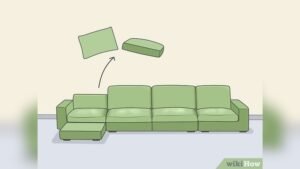
Are you ready to rearrange your living space or move your sectional sofa but unsure how to disconnect it without hassle? Taking apart a sectional sofa might seem tricky, but with the right steps, you can do it quickly and safely.
Imagine saving time, avoiding damage, and making your move or makeover smooth and stress-free. Keep reading, and you’ll learn exactly how to disconnect your sectional sofa like a pro, even if you’ve never done it before. Let’s get started!

Credit: www.youtube.com
Tools Needed
Disconnecting a sectional sofa needs the right tools. Having these tools ready makes the job quick and easy. You avoid damage to the sofa and save time.
Here are the tools needed to disconnect your sectional sofa safely and smoothly.
Screwdriver
A screwdriver is often needed to remove screws holding the sections together. Most sofas use Phillips or flathead screws. Use the right type to avoid stripping the screws.
Rubber Mallet
A rubber mallet helps to gently tap apart tight sections. It prevents damage unlike a metal hammer. Use soft taps to loosen connectors without breaking them.
Allen Wrench
Many sectional sofas use Allen bolts. An Allen wrench fits these bolts perfectly. Keep different sizes handy for various bolts on your sofa.
Pliers
Pliers help to grip and pull connectors or pins. They provide extra force when sections are stuck. Use pliers carefully to avoid scratching the sofa.
Work Gloves
Wear work gloves to protect your hands. Sofas have sharp edges or springs that can hurt. Gloves give you a better grip on parts too.
Prepare The Area
Preparing the area is the first step to disconnect a sectional sofa safely. It helps avoid damage and makes the process smoother. Taking time to get the space ready saves effort later.
Clear Surrounding Space
Remove all small furniture and decor near the sofa. This creates room to move freely. It prevents tripping and accidents. Clear space also helps you see connectors and joints clearly. Keep children and pets away from the work area.
Protect Floors And Walls
Place blankets or soft mats under the sofa sections. This protects floors from scratches or dents. Use painter’s tape or foam padding on walls near the sofa. It stops marks and scuffs during moving. Protecting surfaces keeps your home looking good.
Locate Connection Points
Locating the connection points on your sectional sofa is the first step to disconnect it safely. These points hold the pieces together. Knowing where they are helps you separate the sections without damage.
Connection points vary by sofa design. Some are easy to see, while others hide within the frame. Take your time to inspect the sofa closely. This careful check ensures a smooth disassembly process.
Identify Clips And Brackets
Most sectional sofas use clips or brackets to join sections. These often attach under or behind cushions. Look for metal or plastic parts linking the frames. These clips hold the pieces firmly in place.
Feel along the edges where two sections meet. You might find clips snapping into place or brackets screwed on. These parts need to be undone before pulling sections apart. Keep a flashlight handy for better visibility.
Check For Hidden Fasteners
Some sofas have hidden fasteners to keep a clean look. These can be screws, bolts, or hooks inside the frame. Look under the sofa or inside gaps between cushions. These spots often hide the fasteners.
Use a screwdriver or wrench if needed to remove hidden fasteners. Be gentle to avoid breaking any parts. Finding these hidden points is key to disconnecting your sectional without damage.
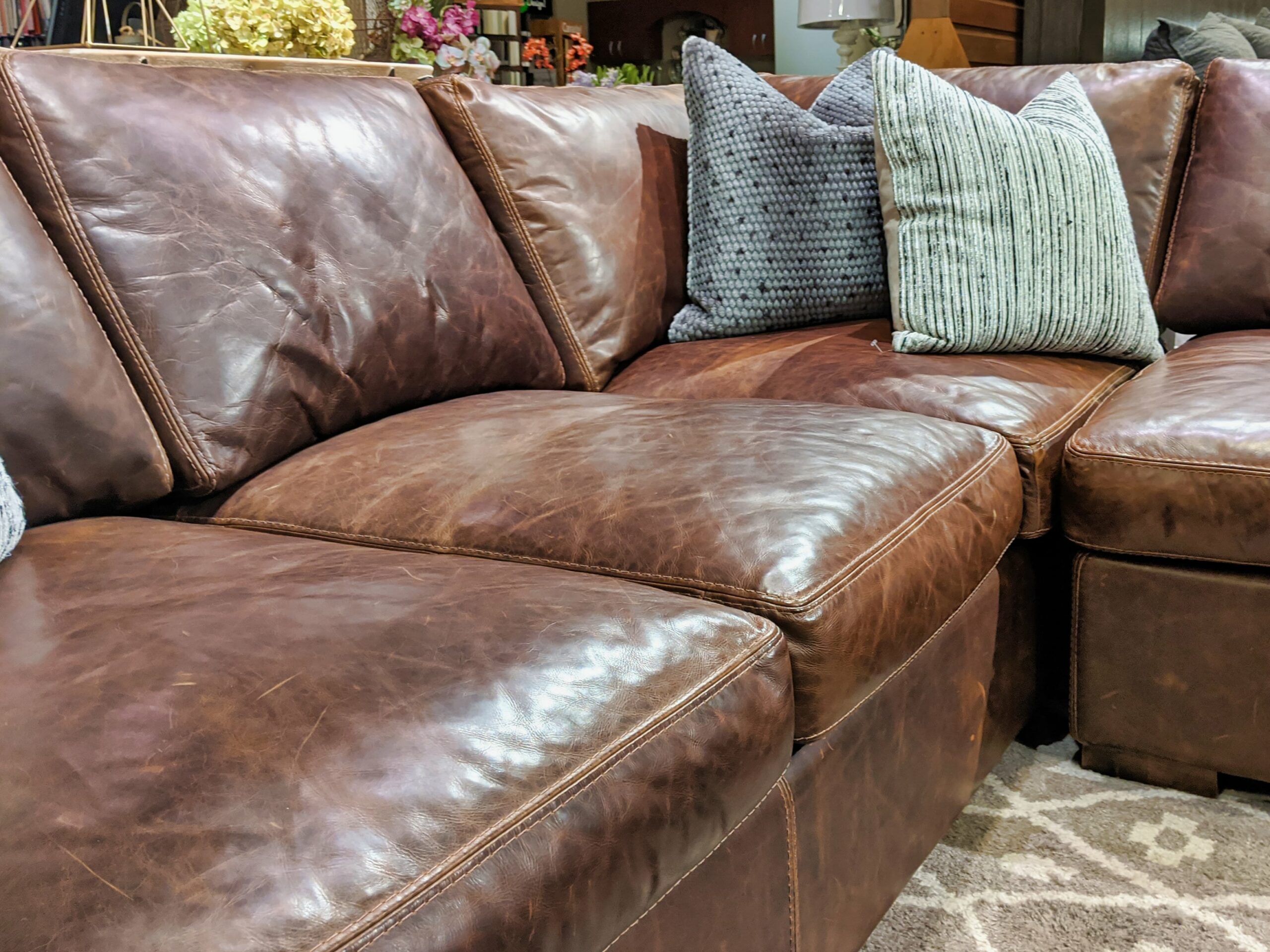
Credit: sofamover.com
Disconnect Sections
Disconnecting the sections of a sectional sofa makes moving and cleaning easier. Each part is connected by clips or brackets. Handle these connections with care to avoid damage.
Release Clips Safely
Locate the clips holding the sofa sections together. These clips are usually under the sofa or along the frame edges. Press or lift the clips gently to release them. Use your hands or a flat tool for help. Avoid forcing the clips to prevent breaking them. Keep the clips safe for reassembly later.
Separate Cushions And Frames
Remove the cushions from each section first. This reduces weight and makes handling easier. After cushions are off, gently pull the frames apart. Move slowly to avoid scratching walls or floors. Check for any remaining connections before pulling too hard. Place sections in a safe spot after separation.
Handle Difficult Connections
Some sectional sofa connections can be tough to separate. These joints may feel stuck or very tight. Patience and careful methods help avoid damage. Use small tricks to ease apart stubborn parts.
Use Lubricants
Apply a small amount of lubricant to the connection points. A silicone spray or WD-40 works well. Lubricants reduce friction and help parts slide apart. Avoid using too much to prevent stains on fabric.
Let the lubricant sit for a few minutes. This allows it to seep into tight spots. Then, gently try to pull the sections apart again. Lubricants make tough joints easier to handle.
Apply Gentle Force
Push or pull slowly and steadily on the connection. Avoid sudden or hard force to protect your sofa. Small, repeated movements often loosen stuck parts. Use your body weight carefully to increase pressure.
If a section won’t budge, try rocking it slightly. This can shift the connection and break the hold. Gentle force helps separate pieces without causing damage.
Store Or Move Sections
After disconnecting your sectional sofa, storing or moving the sections properly is important. Taking the right steps keeps each piece safe and in good shape. Protecting the fabric and frame helps avoid scratches, tears, or stains. Planning the transport carefully makes moving easier and prevents damage during the trip.
Wrap For Protection
Cover each section with a soft blanket or moving pad. Use plastic wrap or stretch film to hold the cover in place. This stops dirt and moisture from reaching the fabric. Wrap corners and edges carefully to prevent dents and scratches. Secure the wrapping tightly, but avoid squeezing the cushions.
Plan For Transport
Measure your doorways and hallways before moving the pieces. Arrange the sections to fit through tight spaces easily. Use furniture dollies or sliders to reduce lifting strain. Load heavier pieces first for better balance in the vehicle. Drive slowly and avoid sudden stops to keep the sofa safe.
Reassemble Tips
Reassembling a sectional sofa can be easy with clear steps. Taking care during this process helps avoid damage. It saves time and effort in the long run.
Keep parts organized and clean before starting. This practice makes connecting pieces smooth and quick.
Prepare Each Section
Check each sofa section for dust or dirt. Wipe surfaces gently to ensure clean connections. Look for any loose parts and tighten them now.
Align Connection Points Carefully
Match hooks, brackets, or clips on the sofa sections. Hold pieces steady while fitting them together. Avoid forcing parts to prevent breakage.
Secure Sections Firmly
Press or lock connectors firmly to keep sections tight. Test by gently pulling to confirm a strong fit. A solid connection keeps the sofa stable.
Arrange Cushions And Pillows
Place cushions back in their original spots. Smooth out wrinkles or folds for a neat look. This step improves comfort and appearance.
Final Inspection
Walk around and check all joints and cushions. Make sure nothing feels loose or uneven. Fix any issues before using the sofa.

Credit: www.youtube.com
Frequently Asked Questions
How Do I Safely Disconnect A Sectional Sofa?
Start by removing cushions and pillows. Locate the connectors underneath the sofa sections. Gently unclip or unscrew these connectors. Avoid forcing parts to prevent damage. Keep all hardware for reassembly or storage.
What Tools Are Needed To Disconnect A Sectional Sofa?
Typically, you need a screwdriver or Allen wrench. Some sofas use clips, requiring no tools. Check your sofa’s manual for specific tools. Having a flashlight helps locate hidden connectors.
Can I Disconnect A Sectional Sofa Without Damaging It?
Yes, by following the manufacturer’s instructions carefully. Remove cushions first to access connectors easily. Use proper tools and avoid forcing parts. Handle connectors gently to prevent breakage.
How Do I Store Sectional Sofa Parts After Disconnecting?
Wrap connectors and hardware in labeled bags. Cover each section with a protective sheet. Store pieces in a dry, clean area. Keep parts organized to simplify reassembly later.
Conclusion
Disconnecting a sectional sofa is easier than it seems. Take your time and follow each step carefully. Use the right tools to avoid damage. Keep track of all connectors and parts as you go. This way, reassembling will be simple later.
Always work on a clean, flat surface for safety. With patience, you can separate your sofa without stress. Now, you can move or clean your space freely. Simple steps make a big difference in handling your furniture.
As an Amazon Associate, I earn from qualifying purchases.