Taking apart your sectional sofa might seem tricky at first, but it doesn’t have to be. Whether you’re moving to a new home, rearranging your living space, or just need to clean hard-to-reach spots, knowing how to disassemble your sectional can save you time and frustration.
In this guide, you’ll discover simple steps to break down your sofa quickly and safely. Keep reading, and you’ll feel confident handling your sectional like a pro—no stress, no damage, just easy results.

Credit: www.youtube.com
Tools Needed
Taking apart a sectional sofa needs some basic tools. These tools help make the process smooth and safe. Having the right tools saves time and effort. Prepare these items before starting to avoid interruptions.
Screwdriver
A screwdriver is essential for removing screws. Use a flathead or Phillips, depending on screw type. It helps detach legs, cushions, and connecting brackets easily.
Allen Wrench
Many sectional sofas use hex bolts. An Allen wrench fits these bolts perfectly. Keep different sizes handy to match your sofa’s hardware.
Pliers
Pliers help grip and pull small parts. Use them to remove staples, nails, or stubborn fasteners. They also aid in bending or twisting metal pieces.
Rubber Mallet
A rubber mallet loosens tight joints without damage. It taps parts apart gently. Avoids marks or dents on wooden or metal sections.
Utility Knife
A utility knife cuts fabric or tape holding cushions. Use it carefully to avoid cutting the upholstery. It also helps open sealed bags or packaging.
Measuring Tape
Measuring tape checks dimensions and space. Useful for noting part sizes before disassembly. Helps plan room layout after moving sofa pieces.
Prepare The Area
Preparing the area is the first step to take apart a sectional sofa safely. Clearing the space makes the process easier and prevents damage to the sofa and your home. It also helps you move parts without obstacles.
Organizing the area helps you keep track of small pieces and tools. It creates a smooth workflow and reduces stress during disassembly.
Clear The Space Around The Sofa
Move furniture or items near the sofa to create enough room. Leave space for removing large sections without bumping into walls or objects. A clear area lets you work freely and safely.
Gather Necessary Tools
Collect tools like screwdrivers, pliers, or wrenches before starting. Having tools ready saves time and avoids interruptions. Check the sofa’s manual to know which tools you need.
Protect Your Floor And Sofa
Place a blanket or cardboard under the sofa parts. This prevents scratches on the floor and fabric damage. It also makes sliding heavy sections easier without dragging.
Wear Comfortable Clothing And Gloves
Choose clothes that allow easy movement. Gloves protect your hands from sharp edges and rough surfaces. Comfort and safety improve your work speed and prevent injuries.
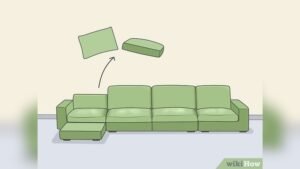
Remove Cushions And Pillows
Removing cushions and pillows is the first step in taking apart a sectional sofa. This step clears the seating area and makes the sofa easier to handle. Cushions and pillows can be heavy and bulky. Removing them carefully protects the fabric and stuffing from damage.
Start by taking off all loose pillows. Then remove the seat cushions and back cushions. Keep the cushions in a safe place to avoid dirt or tears. This step prepares the sofa for further disassembly.
Identify Loose And Attached Cushions
Check which cushions are loose and which are attached. Loose cushions lift off easily. Attached cushions may have velcro, zippers, or snaps. Knowing this helps avoid damage when removing them.
Remove Loose Cushions First
Lift loose cushions straight up and off the sofa frame. Use both hands for big cushions. Set them aside carefully on a clean surface. This clears the seating area quickly and safely.
Detach Attached Cushions Carefully
Look for fasteners holding attached cushions. Gently undo zippers or unclip snaps. Pull cushions away slowly to avoid tearing fabric. Take your time to keep cushions in good shape.
Store Cushions And Pillows Safely
Place cushions and pillows in a dry, clean area. Avoid stacking heavy items on top. Use covers or bags to protect them from dust. Safe storage keeps cushions fresh for reassembly.
Locate Connection Points
Locating connection points is the first step to take apart a sectional sofa. These points hold the different pieces together. Knowing their exact spots helps you separate the sections safely.
Connection points vary by sofa design. Some use metal clips, others use hooks or brackets. Identifying the right type makes the disassembly easier and faster.
Check Underneath The Sofa
Look under each sofa section for metal hooks or clips. These usually link one part to another. Use a flashlight to see clearly in dark corners.
Inspect The Back And Sides
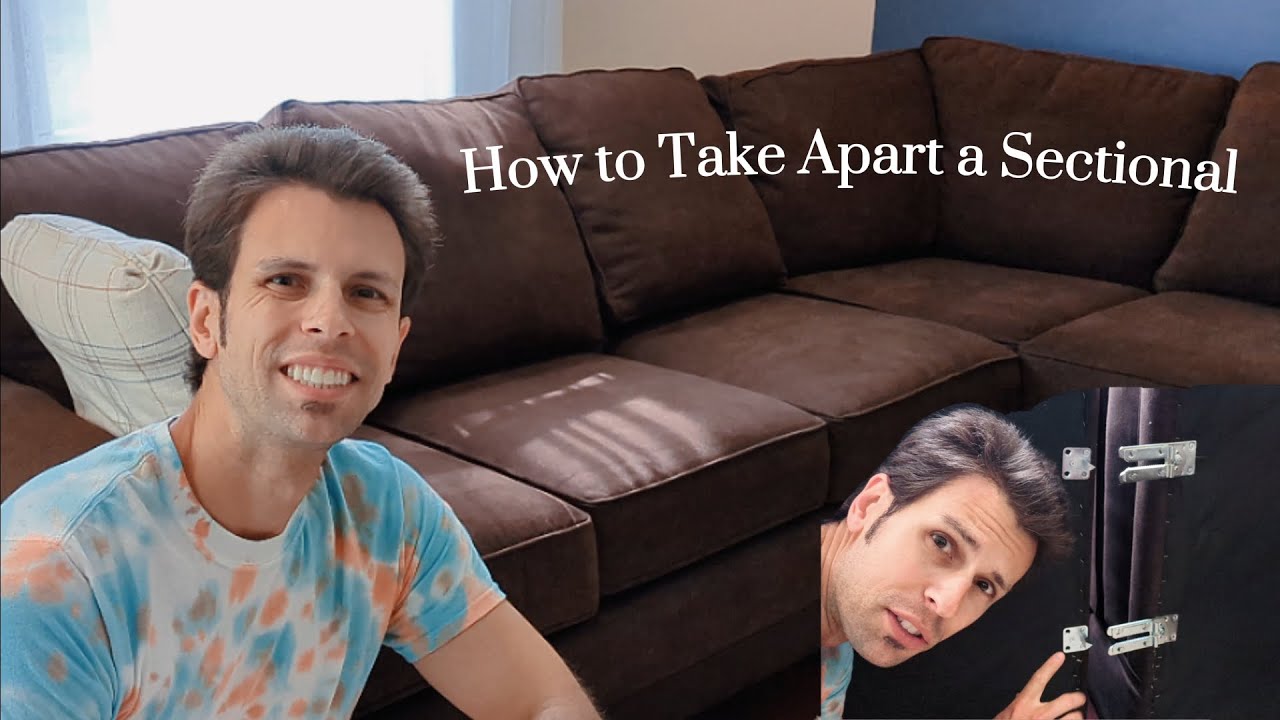
Connection points might be hidden at the back or sides. Feel for any hooks or brackets along the edges. Gently move the cushions aside to spot them.
Look For Screws Or Bolts
Some sectional sofas use screws or bolts to connect sections. Check for small metal fasteners at joining corners. You may need a screwdriver or wrench to remove them.
Identify Latches Or Sliding Mechanisms
Certain sofas have latches or sliding locks. These keep pieces tightly joined. Press or slide these to release the connection before pulling sections apart.
Detach Sections
Detaching the sections of a sectional sofa makes moving or cleaning easier. Each section connects with clips, brackets, or other fasteners. Removing these connections carefully prevents damage and keeps everything intact.
Unsnap Clips
Many sectional sofas use clips to join pieces. Feel along the seams to find the clips. Press or lift the clips gently to unsnap them. Avoid pulling hard to prevent breaking the clips or fabric.
Unhook Brackets
Some sofas connect with metal or plastic brackets. Look under the sofa near the connection points. Slide or lift the brackets out of their slots. Keep the brackets safe for reassembly later.
Lift And Separate
After removing clips and brackets, lift each section carefully. Use both hands to keep the pieces steady. Pull the sections apart slowly to avoid tearing or scratching. Place the sections on a soft surface to protect them.
Disassemble Additional Components
Disassembling your sectional sofa means more than just separating the main pieces. Many sofas have extra parts that need removal. These parts include legs and armrests. Taking them off makes moving and storage easier. It also helps avoid damage during transport. Follow these simple steps to remove these components safely.
Remove Legs
Start by flipping the sofa or the section upside down. Check how the legs attach to the frame. Most legs either screw in or bolt on. Use a wrench or screwdriver to loosen them. Turn counterclockwise to unscrew. Keep the screws or bolts safe for reassembly later. Some legs may just pull off with a firm grip. Avoid forcing too hard to prevent damage.
Take Off Armrests
Armrests often connect with screws or brackets. Look under the armrest or inside the frame for fasteners. Use a screwdriver or drill to remove these screws. Pull the armrest gently away from the sofa frame. If it feels stuck, check for hidden fasteners. Removing armrests reduces the sofa’s width. This makes narrow spaces easier to navigate.
Label And Store Parts
Labeling and storing parts is a key step in taking apart a sectional sofa. It helps keep all pieces organized and easy to find later. Without labels, you might lose small parts or mix them up. Proper storage also protects parts from damage or dust.
Taking time to label and store parts saves frustration during reassembly. It makes the whole process smoother and faster. Each part should have a clear label and be stored safely.
Use Clear Labels For Each Section
Write simple labels for every part you remove. Use a marker or stickers for clear writing. Label pieces like cushions, legs, and connectors. Make the labels easy to read and understand. This helps you know exactly where each part belongs.
Keep Small Parts Together
Small items such as screws, bolts, and brackets should stay together. Use small bags or containers to hold them. Seal the bags tightly to avoid losing anything. Attach a label to each bag describing its contents. This prevents confusion and lost parts.
Store Parts In A Safe Place
Choose a clean, dry area to store all sofa parts. Avoid places with heavy traffic or moisture. Place labeled parts and bags in boxes or bins for extra protection. Keep parts off the floor to prevent dirt and damage. A safe storage spot keeps your sofa parts ready for reassembly.
Credit: www.youtube.com
Safety Tips
Taking apart a sectional sofa can be tricky. Safety must come first to avoid injuries and damage. Following safety tips helps keep you safe and makes the process smoother.
Wear Protective Gear
Wear gloves to protect your hands from sharp edges. Use safety glasses to shield your eyes from dust and debris. Closed-toe shoes protect your feet from heavy parts falling.
Clear The Work Area
Remove obstacles around the sofa to prevent trips and falls. Keep children and pets away from the area. Work in a well-lit space to see all parts clearly.
Use Proper Tools
Choose the right tools for each task to avoid accidents. Keep tools in good condition and use them as intended. Avoid makeshift tools that can slip or break.
Lift Correctly
Bend your knees and keep your back straight when lifting. Lift with your legs, not your back, to prevent strain. Ask for help when lifting heavy or large pieces.
Disconnect Electrical Parts
Unplug any electronic components attached to the sofa before starting. Handle cords and wires carefully to avoid damage. Keep them away from sharp tools and edges.

Credit: www.wikihow.com
Frequently Asked Questions
How Do I Safely Detach Sectional Sofa Pieces?
Start by removing all cushions and pillows. Locate the connecting clips or brackets underneath. Use gentle force to unclip sections. Avoid pulling hard to prevent damage. Keep all hardware for reassembly.
What Tools Are Needed To Take Apart A Sectional Sofa?
Common tools include a screwdriver, pliers, and a rubber mallet. Some sofas require an Allen wrench. Check your sofa’s manual for specific tools. Having these ready speeds up the disassembly process.
How Can I Label Sectional Sofa Parts For Reassembly?
Use masking tape and a marker to label each piece. Mark connectors and cushions with matching numbers or letters. This helps identify where each piece fits later. Clear labeling reduces confusion when putting the sofa back together.
Can I Disassemble A Sectional Sofa Without Removing Cushions?
It’s best to remove cushions first for easier access. Cushions can block clips and connectors. Removing them prevents damage and makes the process smoother. Always store cushions safely during disassembly.
Conclusion
Taking apart a sectional sofa can be simple and safe. Follow the steps carefully and work slowly. Keep track of all screws and pieces as you go. Use basic tools like screwdrivers and pliers for best results. Ask for help if the sofa is heavy or large.
This process makes moving or cleaning easier. Remember, patience helps prevent damage. Now, you can handle your sofa confidently and with less stress.
As an Amazon Associate, I earn from qualifying purchases.