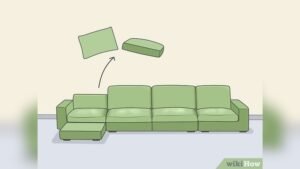
Have you ever faced the challenge of moving your bulky sectional sofa through narrow doorways or tight staircases? Taking apart a sectional sofa might seem like a daunting task, but it doesn’t have to be.
Understanding how to break down your sofa into manageable pieces can save you time, effort, and even money on movers. In this guide, you’ll discover simple, step-by-step tips to safely and easily take apart your sectional sofa. Keep reading, and you’ll gain the confidence to handle this task like a pro—no stress, no damage, just smooth moving ahead.
Gather Necessary Tools
Gathering the right tools is the first step in taking apart a sectional sofa. Having everything ready makes the process easier and faster. It helps avoid frustration from searching for tools in the middle of the job. You can work safely and carefully with the correct equipment.
Essential Tools Checklist
- Screwdriver set (flathead and Phillips)
- Allen wrench set
- Pliers
- Socket wrench
- Rubber mallet
- Utility knife
- Work gloves
- Flashlight or headlamp
These tools cover most bolts, screws, and fasteners on sectional sofas. Gloves protect your hands from sharp edges or splinters. The flashlight helps you see hidden screws in dark corners.
Optional Helpful Items
- Ziplock bags for small screws and bolts
- Marker or labels to mark parts
- Soft blanket or padding to protect cushions
- Step stool for hard-to-reach areas
- Measuring tape for tracking dimensions
These extras keep your parts organized and safe. Labeling makes reassembly easier. Padding prevents damage to fabric or wood surfaces. A step stool helps with taller sections.
Credit: sofamover.com
Prepare The Workspace
Preparing your workspace is the first step in taking apart a sectional sofa. A clean and safe area makes the process easier and faster. It helps prevent damage to your furniture and home. Organizing your space allows you to move parts without trouble.
Clear The Area
Remove all items near the sofa. Clear toys, rugs, and small furniture pieces. This creates room to work and move sofa parts. It also reduces the risk of tripping or breaking things. Make sure you have enough space for large sections.
Protect Floors And Walls
Cover floors with a soft blanket or cardboard sheets. This stops scratches and stains from sofa parts. Use painter’s tape to secure covers in place. Place cushions or towels between the sofa and walls. This prevents dents and marks during disassembly.
Identify Sofa Sections
Before taking apart a sectional sofa, you need to identify its sections. This step helps make the disassembly process easier and safer. Each sectional sofa has different parts that fit together. Knowing these parts is important to avoid damage and confusion.
Understanding the sofa sections also helps you plan how to move or store them. Take time to study the sofa closely. Notice how each piece connects to the others.
Recognize Different Components
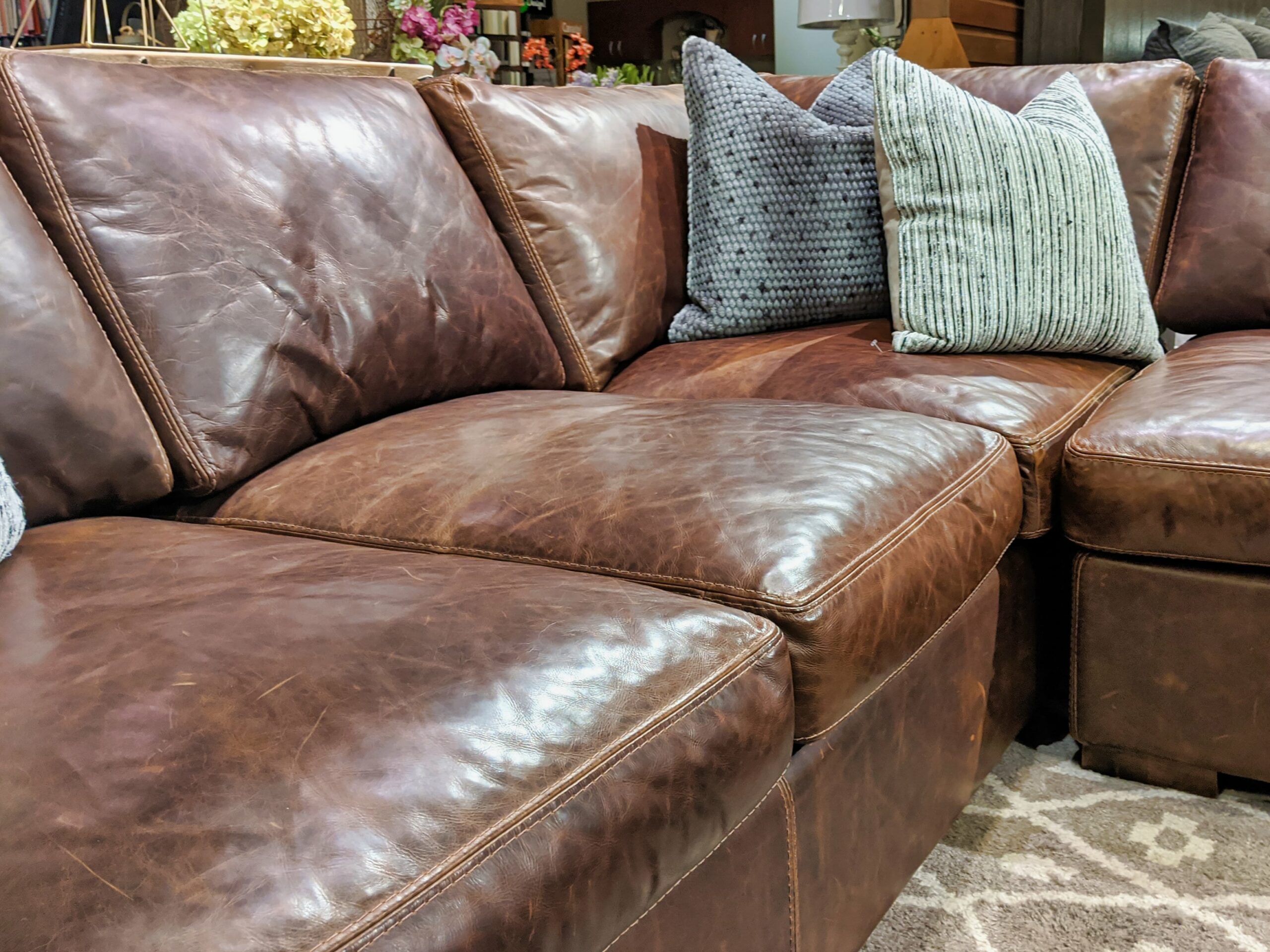
Most sectional sofas have several key components. These include the main seating pieces, corner units, and ottomans. The main pieces are usually larger and have cushions. Corner units connect two sides of the sofa at a right angle. Ottomans are smaller and often separate from the main sofa. Each component has a specific shape and size.
Look for differences in the shape and weight of each section. This helps to identify which pieces fit together. Knowing these components will guide you during removal.
Locate Connectors And Fasteners
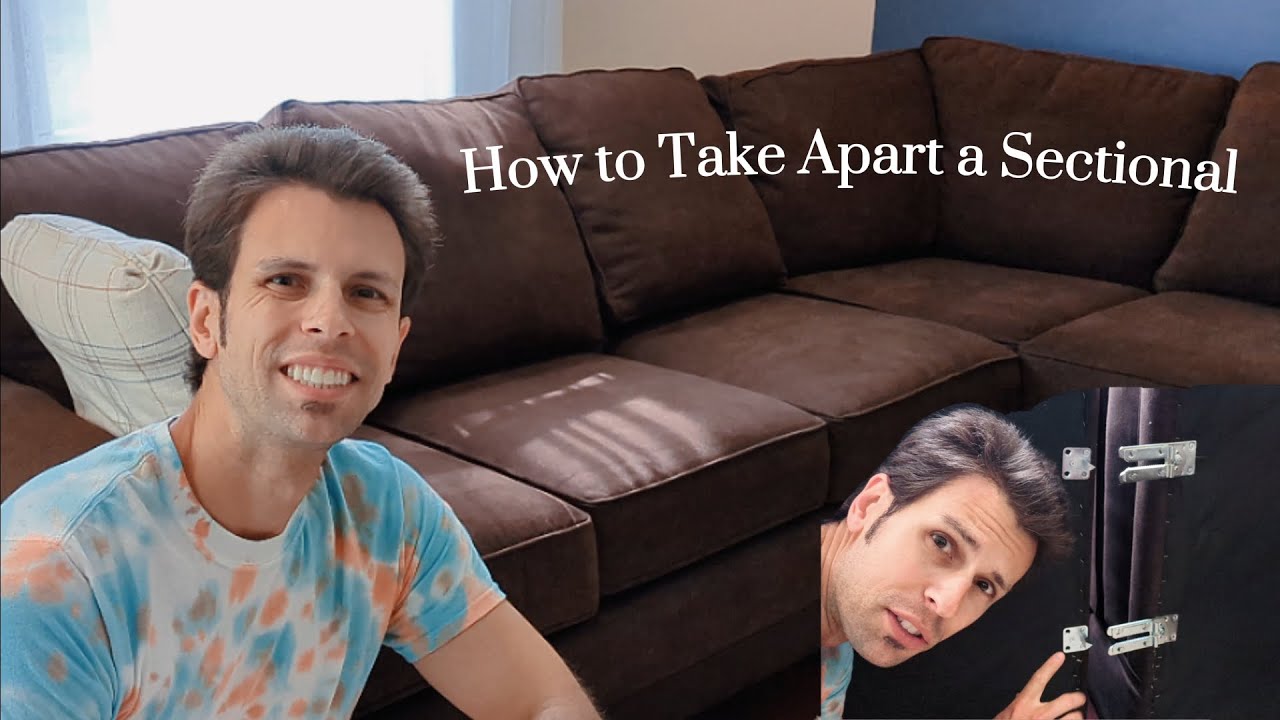
Sectional sofas use connectors or fasteners to hold pieces together. These are often hidden under cushions or along the bottom edges. Common connectors include metal brackets, clips, or hooks. Some sofas use velcro strips or bolts to secure sections.
Carefully check along the joining edges for these connectors. Use a flashlight if needed to see clearly. Knowing where connectors are helps you detach sections without damage. Keep tools ready to unscrew or unclip these fasteners.
Credit: www.youtube.com
Disconnect Cushions And Pillows
Disconnecting cushions and pillows is the first step in taking apart a sectional sofa. Removing these soft parts makes handling the sofa easier. It also prevents damage to the cushions during the move or storage.
Start by carefully pulling each cushion away from the frame. Some cushions may be attached with Velcro or zippers. Gently detach these to avoid tears or rips. Take your time to keep everything intact.
Remove Loose Cushions
Begin with the loose cushions on the seats and backrests. Lift them straight up and off the sofa. Place them on a clean surface to avoid dirt or stains. Count the cushions so none go missing later.
Check if any cushions have covers that unzip. Removing covers helps keep them clean and fresh. Store covers separately in a labeled bag or container. This makes reassembling the sofa easier.
Store Accessories Safely
Gather all pillows, throws, and small cushions. Place them in a box or bag to keep them together. Use plastic bags for extra protection against dust or moisture.
Label the storage container clearly. This saves time when you rebuild your sectional sofa. Keep the storage container in a dry, safe place away from pets and children.
Detach Sofa Sections
Taking apart a sectional sofa starts with detaching its sections. This step makes moving or cleaning easier. Understanding how sections connect helps avoid damage. Carefully separating parts keeps your sofa intact.
Most sectional sofas connect with clips or hooks. These hold pieces firmly together. Knowing how to release them is key. Let’s explore the process step-by-step.
Release Clips And Hooks
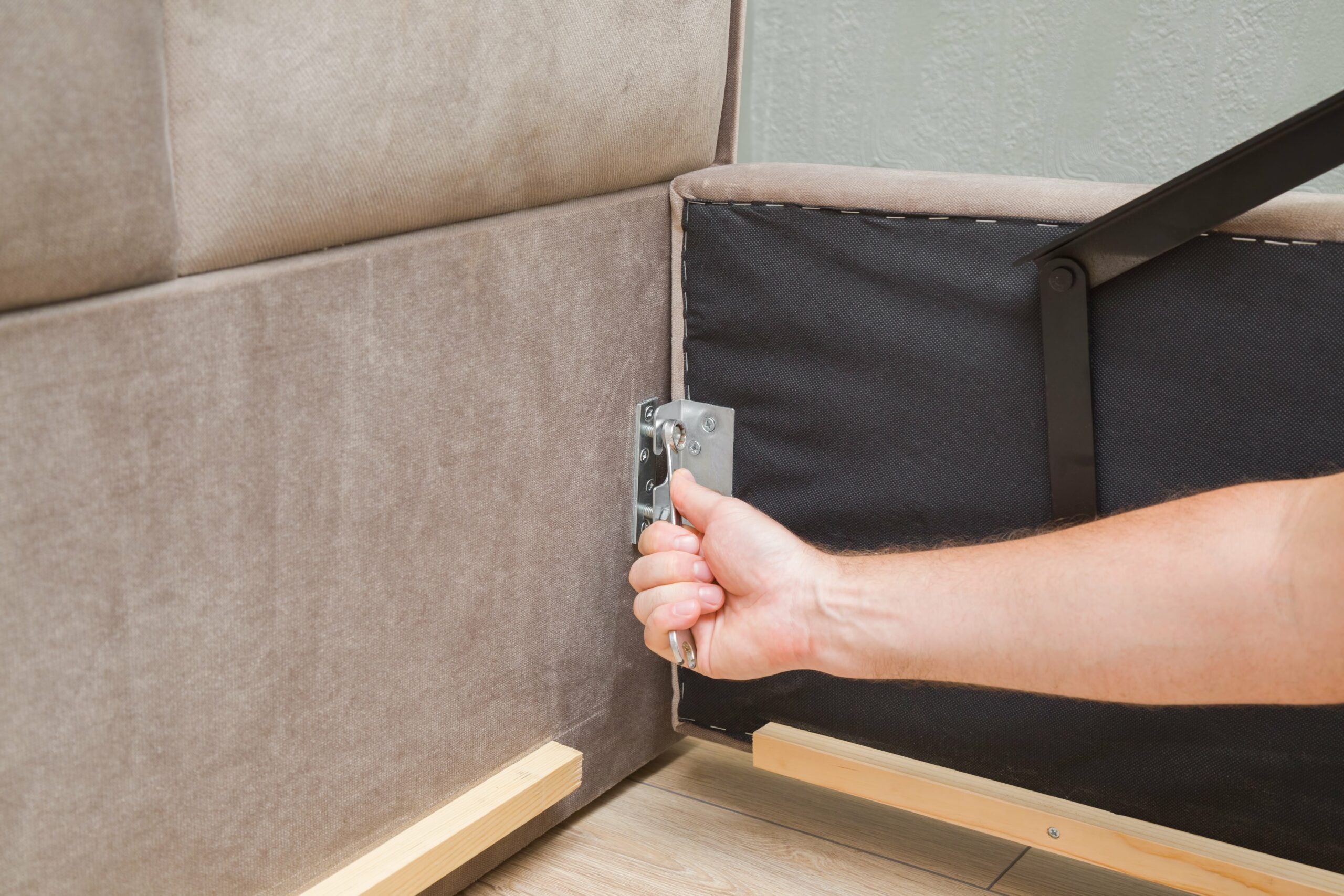
Look under the sofa where sections join. You will find metal clips or hooks. These fasten the sections tightly. Use your hands to gently pull or press the clips. Some clips slide out sideways. Others may need a little lift or push.
Work slowly to avoid bending the metal. If clips feel stuck, wiggle them carefully. Avoid using too much force to prevent breaking. Keep track of all clips for reassembly later.
Separate Frames Carefully
After releasing clips, pull sections apart. Hold frames firmly on both sides. Pull straight out to prevent damage. Avoid twisting or dragging the frames.
Check for any hidden connectors or screws. Remove them before fully separating. Place each section on a soft surface. This prevents scratches or dents on your sofa.
Credit: sofamover.com
Remove Legs And Additional Parts
Removing the legs and extra parts from a sectional sofa makes it easier to move and store. These steps help you take apart the sofa safely. It also protects the furniture from damage during transport.
Focus on each part carefully. Some legs screw off, while others clip on. Armrests and headrests may be detachable, too. Follow the right method for each piece to avoid breaking anything.
Unscrew Or Unclip Legs
Check the bottom of the sofa for legs. Some legs are screwed in. Use a screwdriver to turn the screws counterclockwise. Keep the screws in a safe place. Other legs clip on. Pull them gently to unclip. Do not force the legs off. They might break if pulled too hard.
Handle Removable Armrests Or Headrests
Look for buttons or levers near the armrests or headrests. These parts often have simple clips or screws. Press the button or pull the lever to unlock. Lift the armrest or headrest away carefully. If it feels stuck, check for hidden screws. Remove all screws before pulling the parts off.
Organize And Label Parts
Taking apart a sectional sofa can be tricky. Organizing and labeling parts saves time and effort later. It helps keep everything in order. You avoid losing small pieces or mixing up parts. This step makes putting the sofa back together easier and faster.
Keep Hardware Together
Collect all screws, bolts, and brackets in one container. Use small bags, jars, or boxes to hold them. Keeping hardware together stops pieces from getting lost. Sort different types of hardware separately. Label each container to know what is inside. This method saves time during reassembly and reduces frustration.
Label For Easy Reassembly
Use tags, stickers, or masking tape to mark each part. Write simple notes about where each piece belongs. Label sofa sections, cushions, and connectors clearly. This helps identify parts quickly without guessing. It makes reassembling the sectional sofa smoother and faster. Clear labels prevent mistakes and confusion during setup.
Tips For Safe Handling
Taking apart a sectional sofa requires care to avoid damage and injury. Safe handling protects your furniture and keeps you safe. Follow simple tips to make the process smooth and secure.
Avoid Damage During Disassembly
Remove cushions and pillows before starting. Check for screws or clips holding sections together. Use the right tools, like screwdrivers, to avoid stripping screws. Take off parts gently to prevent tearing fabric or scratching surfaces. Place small parts in a container to avoid losing them.
Use Proper Lifting Techniques
Bend your knees, not your back, when lifting sofa pieces. Keep the load close to your body. Lift with your legs to protect your back muscles. Ask for help with heavy or large sections. Avoid twisting your body while carrying parts. Move slowly and carefully to avoid dropping anything.
Frequently Asked Questions
How Do You Disconnect Sectional Sofa Pieces?
To disconnect sectional sofa pieces, locate and unlock the metal clips or brackets underneath. Gently pull the sections apart. Avoid using excessive force to prevent damage. Work slowly to separate each piece safely and maintain the sofa’s structure for easy reassembly.
What Tools Are Needed To Take Apart A Sectional Sofa?
You typically need a screwdriver and sometimes pliers to take apart a sectional sofa. Some models may require a wrench or Allen key. Always check the sofa’s manual first to identify any specific tools required. This ensures a smooth and damage-free disassembly process.
Can You Take Apart A Sectional Sofa Without Help?
It’s possible but not recommended to take apart a sectional sofa alone. Some pieces can be heavy and awkward to handle. Enlist help to avoid injury and prevent damage to the sofa. Extra hands make the process faster and safer overall.
How Do You Label Sectional Sofa Pieces For Reassembly?
Label each sectional piece with masking tape and a marker before disassembly. Mark corners, sides, and connectors clearly. This helps you remember the original layout and simplifies reassembly. Proper labeling saves time and ensures the sofa fits back together perfectly.
Conclusion
Taking apart a sectional sofa is easier than it seems. Start by finding the connectors and gently pulling the pieces apart. Keep track of screws and small parts to avoid losing them. Work slowly and carefully to prevent damage. This way, moving or cleaning becomes simple.
With patience and the right steps, you can handle your sectional like a pro. Ready to rearrange or store your sofa? Now you know how to do it safely and smoothly.
As an Amazon Associate, I earn from qualifying purchases.