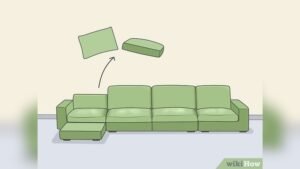
Are you dreaming of a cozy sectional sofa that fits your space perfectly and matches your style? What if you could create it yourself, saving money and adding a personal touch?
Building your own sectional sofa is easier than you think. You’ll discover simple steps and expert tips to design and assemble a sofa that feels made just for you. Ready to turn your living room into the ultimate comfort zone?
Keep reading, and let’s get started!
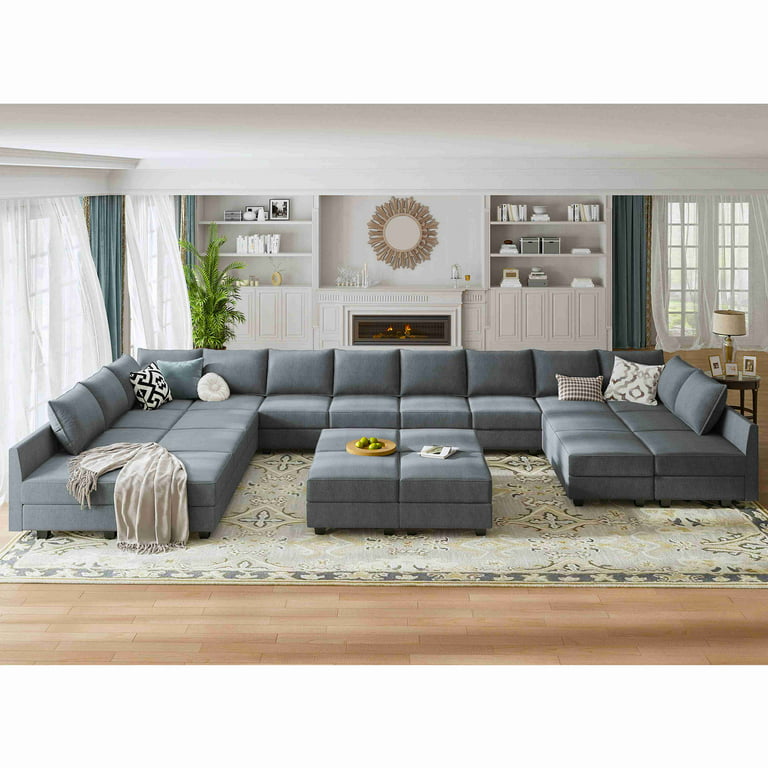
Credit: www.walmart.com
Benefits Of Diy Sectional Sofas
Building your own sectional sofa offers many great benefits. It lets you save money and create a piece that fits your space perfectly. You get to pick every detail, making the sofa truly yours. Plus, finishing the project gives a strong feeling of pride and joy.
Here are some key benefits of choosing a DIY sectional sofa.
Cost Savings Compared To Store-bought
Making a sectional sofa yourself costs less than buying one from a store. You can choose materials that fit your budget. No middleman or brand markup means lower prices. You also avoid extra fees for delivery and assembly. This makes DIY a smart choice for saving money.
Customization Options
DIY lets you design the sofa exactly how you want. Pick the size, shape, and fabric to match your room. Add extra features like storage or adjustable sections. Store-bought sofas often have limited styles and sizes. With DIY, your sofa fits your lifestyle and space perfectly.
Sense Of Accomplishment
Building your sofa brings a strong sense of achievement. Each step you complete feels rewarding. You watch your work turn into a useful and beautiful piece. This pride lasts longer than any store-bought item. It also makes your home feel more personal and special.
Choosing The Right Materials
Choosing the right materials for your DIY sectional sofa is key to making a piece that lasts. It also ensures the sofa feels good and looks great in your space. Focus on three main parts: fabric, frame, and cushions.
Selecting Durable Fabrics
Pick fabrics that stand up to daily use. Cotton and linen feel soft but wear out fast. Polyester and microfiber resist stains and tear better. Leather offers a classic look and lasts long but costs more. Think about how often you will use the sofa and who will use it. For homes with kids or pets, tough, easy-to-clean fabrics work best.
Picking The Perfect Frame
The frame supports the whole sofa. Hardwood frames like oak or maple are strong and last many years. Softwoods can break faster. Metal frames are strong but might feel cold or heavy. Check for tight joints and smooth finishes. A solid frame keeps your sofa stable and comfortable.
Cushion Types And Comfort
Cushions affect how the sofa feels. Foam cushions offer firm support and hold their shape. Down or feather cushions feel soft but need fluffing often. Some cushions combine foam and feathers for a balance of comfort and support. Choose cushions that match your comfort style and how you use the sofa.
Designing Your Sectional Sofa
Designing your own sectional sofa lets you create a perfect fit for your home. It allows you to choose every detail, from size to color. This way, your sofa matches your space and style exactly.
Planning carefully helps avoid mistakes and ensures a cozy, stylish result. Start with measuring your room, then decide on shape and size. Finally, pick colors and styles that make the sofa inviting.
Measuring Your Space
Measure the length and width of your room. Note any doors, windows, and walkways around the area. This helps avoid blocking important paths. Leave space for moving around comfortably.
Check the height of the ceiling and any low furniture nearby. Measure doorways and hallways to ensure the sofa can enter easily. Accurate measurements prevent problems during delivery and setup.
Deciding On Shape And Size
Choose a shape that fits your room’s layout. L-shape works well in corners. U-shape fits larger spaces and offers extra seating. Straight or curved sections suit narrow or open areas.
Pick a size that fits your needs but does not crowd the room. Consider how many people will use it regularly. Balance comfort with space to keep the room open and airy.
Color And Style Choices
Choose colors that match your room’s theme and lighting. Light colors make small rooms feel bigger. Dark colors hide stains and add warmth. Think about the mood you want to create.
Pick a style that fits your taste and the room’s decor. Modern, classic, or rustic options all work well. Choose fabric types that are easy to clean and feel comfortable.

Credit: www.youtube.com
Tools And Supplies Needed
Building your own sectional sofa is a rewarding project. The right tools and supplies make the process smoother. Gathering everything before starting helps avoid delays and frustration.
Essential Tools List
Basic tools include a tape measure, saw, and drill. A screwdriver set is also very helpful. Sandpaper or an electric sander smooths rough edges. Clamps hold pieces together while gluing or screwing. A staple gun helps attach fabric or padding. Safety gear like gloves and goggles protects during work.
Where To Source Materials
Wood can be found at local lumber yards or hardware stores. Fabric and foam come from upholstery shops or online sellers. Screws, nails, and glue are available at most hardware stores. Check secondhand shops for useful parts and cheaper materials. Buying locally saves time and sometimes money.
Budgeting Tips
Set a clear budget before buying supplies. Prioritize quality for parts like wood and fabric. Compare prices online and in stores to find deals. Reuse materials from old furniture when possible. Keep extra money for unexpected costs during the build.
Step-by-step Assembly Guide
Building your own sectional sofa can be fun and rewarding. This step-by-step guide helps you create a comfortable and stylish sofa at home. Follow each part carefully for the best results.
Building The Frame
Start by gathering all the wood pieces and tools. Lay out the wood on a flat surface. Connect the pieces using screws and brackets. Make sure the frame is square and sturdy. Double-check all joints for tightness. The frame forms the sofa’s strong base.
Adding Cushions And Upholstery
Choose cushions that fit the frame perfectly. Place foam or padding on the frame first. Cover the cushions with fabric or leather. Use a staple gun to fix fabric tightly. Smooth out any wrinkles. Cushions provide comfort and style to your sofa.
Final Touches And Adjustments
Check the sofa for any loose parts. Tighten screws and fix minor issues. Add legs or feet to raise the sofa. Clean the fabric and frame gently. Test the sofa by sitting on it. Adjust cushions for perfect comfort. Your DIY sectional sofa is ready to enjoy.
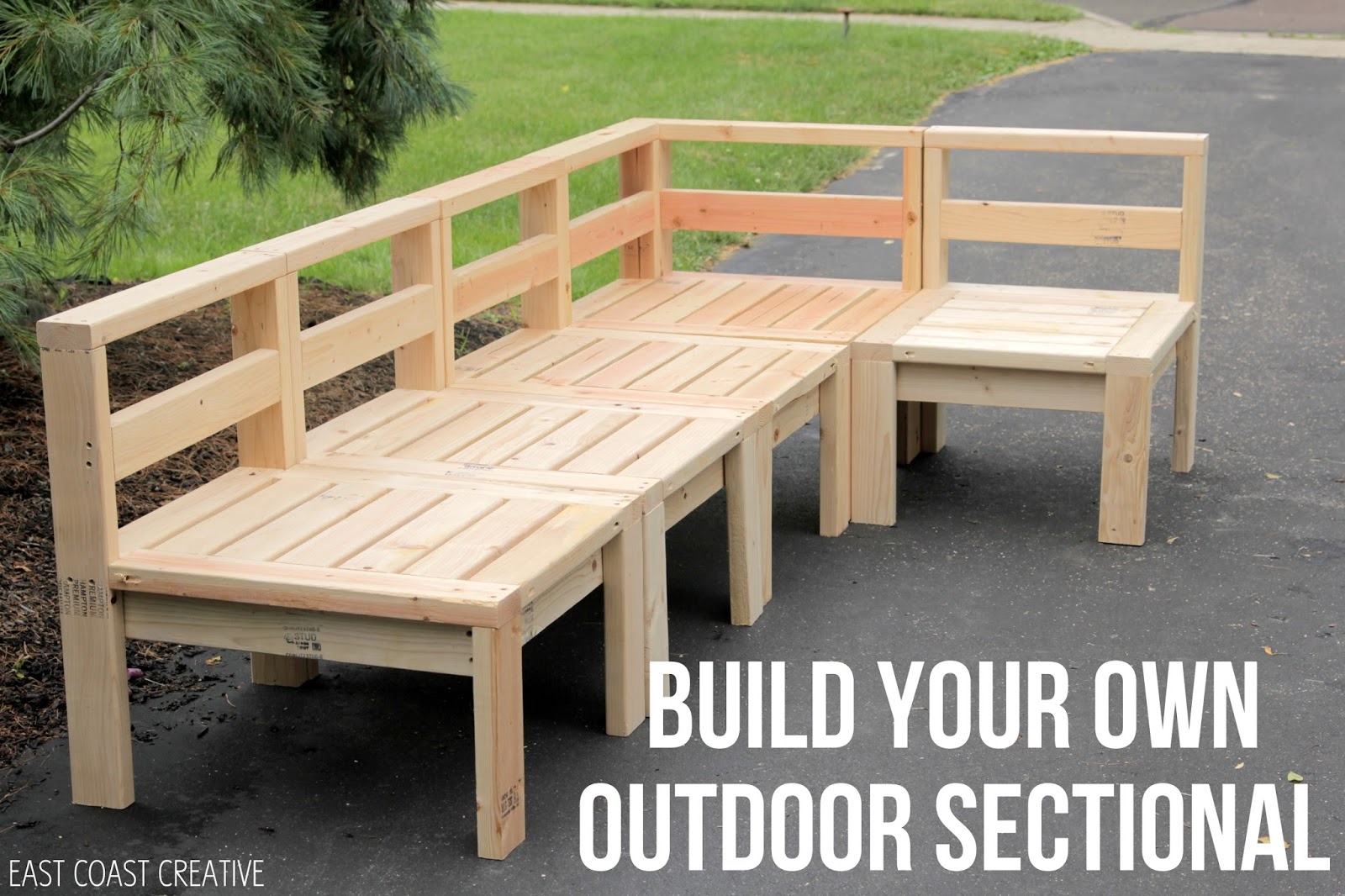
Credit: crossroadsrr.com
Maintenance And Care Tips
Maintaining your DIY sectional sofa keeps it looking fresh and lasting longer. Simple care steps protect your investment and comfort. Regular attention stops small issues from growing. Follow these easy tips for cleaning, fixing, and preserving your sofa.
Cleaning Fabric And Cushions
Vacuum fabric regularly to remove dust and dirt. Use a soft brush attachment to avoid damage. Spot clean stains quickly with mild soap and water. Test cleaning solutions on a hidden area first. Remove cushion covers if washable. Air dry completely before putting them back.
Repairing Wear And Tear
Check seams and stitching for loose threads. Sew small tears early to stop spreading. Use fabric glue for minor rips or holes. Replace damaged foam or padding inside cushions. Tighten bolts and screws on the sofa frame. Fix sagging areas by adding extra support.
Extending Sofa Lifespan
Rotate cushions regularly to distribute wear evenly. Keep the sofa out of direct sunlight to prevent fading. Avoid sitting on the sofa arms or backrests. Use sofa covers to protect from spills and pets. Maintain room humidity to prevent fabric and wood damage. Follow these steps to enjoy your sofa for years.
Creative Style Ideas
Creative style ideas can transform a DIY sectional sofa into a unique centerpiece. Personal touches make your sofa more inviting and reflect your personality. Simple changes can bring fresh life to your space. Explore ways to mix fabrics, add accent pillows, and include functional features. These tips help you design a sofa that fits your style and needs.
Mix And Match Fabrics
Use different fabrics to create contrast and texture. Combine smooth leather with soft cotton or linen for variety. Choose colors that complement each other to avoid clashing. Patterns like stripes or florals can add visual interest. Mixing fabrics gives your sofa a custom, stylish look without extra cost.
Incorporating Accent Pillows
Accent pillows add color and comfort to your sectional. Select pillows in bold colors or fun patterns for a lively touch. Use different shapes and sizes to create depth. Pillows are easy to change with seasons or moods. They enhance the sofa’s style and make it cozy.
Adding Functional Features
Add features that increase comfort and utility. Built-in storage under seats helps keep the room tidy. Cup holders or small side tables offer convenience. Adjustable headrests or reclining sections improve relaxation. Functional details make your DIY sofa both stylish and practical.
Frequently Asked Questions
What Materials Are Best For Diy Sectional Sofas?
Choose durable fabrics like linen, cotton, or microfiber for easy cleaning. Use sturdy wood or metal frames for long-lasting support. High-density foam cushions provide comfort and maintain shape over time. Selecting quality materials ensures your DIY sectional sofa is both stylish and functional.
How Do I Measure Space For A Sectional Sofa?
Measure your room’s length and width accurately. Consider doorways and walking paths for sofa placement. Leave at least 18 inches of clearance around the sofa for comfort. Proper measurements help avoid buying or building a sectional that doesn’t fit your space.
Can I Customize The Size Of My Diy Sectional Sofa?
Yes, DIY sectional sofas offer flexible sizing options. You can build each section to fit your room perfectly. Modular pieces allow rearranging to suit changing needs. Custom sizing ensures your sofa complements your living area and lifestyle.
What Tools Are Needed For Building A Diy Sectional Sofa?
Basic tools include a saw, drill, screwdriver, measuring tape, and stapler. Sandpaper smooths rough edges, and clamps hold pieces together during assembly. Having the right tools makes the building process efficient and produces professional results.
Conclusion
Building your own sectional sofa brings both fun and savings. You choose the size, color, and fabric that fit your space. It feels great to sit on furniture made by your hands. Plus, you avoid the high costs of store-bought sofas.
Take your time and enjoy each step of the process. Soon, you will have a unique sofa that matches your style perfectly. Try this project for a cozy and personal touch in your home.
As an Amazon Associate, I earn from qualifying purchases.