When picking the perfect side table, one question often pops up: how tall should it be? You want a table that feels just right—easy to reach without bending or stretching.
The right height makes your space look balanced and keeps your essentials within arm’s reach. You’ll discover the simple rules and smart tips to choose a side table height that fits your furniture and lifestyle perfectly. Keep reading to find out how a small change can make a big difference in your comfort and style.
:max_bytes(150000):strip_icc()/SPR-coffee-table-height-8683025-e10d86aeba664826bae1732f1be489a2.png)
Credit: www.thespruce.com
Ideal Height For Side Tables
Choosing the right height for a side table is important for comfort and style. The table should be easy to reach from your seat. It also needs to fit well with your furniture. This guide explains how to find the ideal side table height.
Matching Sofa Height
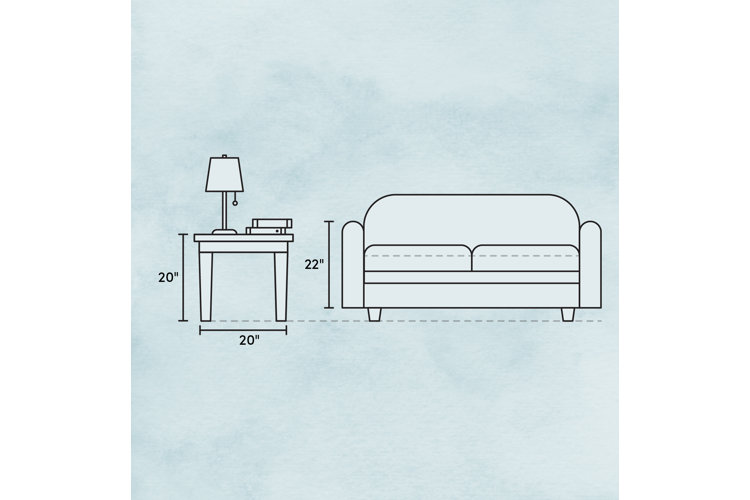
The side table should be close to the height of your sofa’s arm. This makes it easy to place a drink or book without stretching. Typically, sofa arms range from 24 to 28 inches tall. Choose a side table that matches this height for balance and convenience.
Considering Chair Height
Side tables next to chairs should match the chair’s arm height. Chairs often have lower arms than sofas. Measure your chair’s arm height to pick the right table size. This keeps items within easy reach while sitting.
Standard Height Ranges
Most side tables range from 22 to 30 inches tall. This range fits most sofas and chairs. For a modern look, pick a table closer to 24 inches. For a taller sofa, choose tables near 28 to 30 inches. Always measure your furniture before buying to ensure a good fit.
Factors Influencing Side Table Height
Choosing the right height for a side table depends on several key factors. These factors help the table fit well in your space and serve its purpose. Understanding these elements ensures comfort and style in your room. Here are the main points to consider.
Room Layout And Space
The size and shape of your room affect side table height choices. In small rooms, shorter tables keep the space open and airy. Larger rooms allow taller tables that stand out more. Consider how much walking space you need around the table. The table should not block pathways or crowd furniture. Placement near seating helps decide the ideal height. Balance between function and space is important.
Purpose And Usage
Think about what you will use the side table for. A table for lamps needs to be taller to provide good lighting. Tables for drinks or snacks should be close to the seat height. If used for storage, the height must allow easy access. Sometimes, side tables hold decorative items, so height depends on display needs. Match the table height with how you interact with it daily.
Style And Design
The style of your furniture influences side table height. Modern designs often prefer sleek, low tables. Traditional styles might have taller, ornate tables. The height should complement the sofa or chair next to it. Consider the table’s shape and leg design for harmony. Keep the look balanced to enhance the room’s overall design.
Measuring Tips For Perfect Height
Choosing the right height for a side table makes a big difference. It helps keep your space comfortable and practical. Measuring the correct height takes only a few simple steps. These tips guide you to find the perfect match for your sofa or chair.
How To Measure Sofa Or Chair
Start by measuring the height of your sofa or chair seat. Use a tape measure and note the distance from the floor to the top of the seat cushion. This height is the base for your side table. Ideally, the table should be level with or slightly below the seat height. This ensures easy reach without bending or stretching.
Adjusting For Comfort And Accessibility
Consider how you use the side table. Leave about 1 to 2 inches below the armrest or seat height for comfort. This gap helps avoid knocking items off the table. Also, think about what you place on the table. For reading lamps or drinks, a slightly higher table may work better. Test different heights by placing objects on a stack of books or boxes first.
Credit: www.wayfair.com
Height Recommendations By Table Type
Choosing the right height for a side table depends on the table type. Each type serves a different purpose and fits various spaces. Knowing the ideal height helps keep your room comfortable and stylish.
End Tables
End tables sit next to sofas or chairs. Their height usually matches the armrest height. This makes it easy to reach items like drinks or remotes. The recommended height for end tables is between 22 and 28 inches.
Accent Tables
Accent tables add style and extra surface space. They come in many shapes and sizes. The height can vary but should not be taller than nearby furniture. A good range for accent tables is 20 to 30 inches.
Nightstands As Side Tables
Nightstands work well as side tables in bedrooms or small spaces. They should align with the mattress height for easy access. The best height for nightstands is between 24 and 28 inches.
Customizing Side Table Height
Customizing the height of a side table helps it fit perfectly in your space. It improves comfort and usability. A well-sized table makes your room look balanced and neat. You can choose from several easy ways to adjust the height. These methods suit different needs and budgets.
Adjustable Tables
Adjustable side tables offer flexible height options. You can raise or lower them with a simple mechanism. These tables fit different seating areas or uses. They save space by serving multiple purposes. Look for tables with smooth and stable adjustments.
Diy Modifications
DIY modifications allow personalizing your side table height. Adding or removing legs is a common method. You can also cut legs to shorten the table. Use sturdy tools and measure carefully for safety. Painting or staining after changes keeps the table looking good.
Using Risers Or Platforms
Risers or platforms lift your side table without permanent changes. They come in different materials like wood or plastic. Risers add height evenly and keep the table stable. Platforms can also protect floors from scratches. This option is quick and budget-friendly.
Common Mistakes To Avoid
Choosing the right height for a side table is more than just a number. Many make simple mistakes that affect comfort and style. Avoiding these errors helps create a balanced and functional space.
Here are some common mistakes to watch out for when selecting side table height.
Too Tall Or Too Short Tables
Tables that are too tall or too short cause discomfort. A side table should be about the same height as the sofa or chair arm. Too tall tables force you to reach awkwardly. Too short tables may be hard to use for drinks or lamps.
Ignoring User Needs
Every user has different needs. Think about who will use the table most. Kids need lower tables for safety. Older adults may prefer higher tables for ease. Ignoring these needs can make the table less practical and unsafe.
Overlooking Room Proportions
Room size matters for table height. Large rooms suit taller tables that match big furniture. Small rooms need shorter tables to avoid clutter. Overlooking this balance creates awkward spaces that feel cramped or empty.
Styling Tips For Side Tables
Styling side tables is a fun way to add charm and function to a room. They can highlight your personal style and create a cozy vibe. Small details on side tables bring life to any space.
Focus on height, arrangement, and materials. These factors help your side table blend with the room. The right styling makes the table a key piece, not just extra furniture.
Balancing Height With Decor
Choose side tables that match sofa or chair height. This creates a smooth look and easy reach. Keep lamps or decorations at similar heights. Avoid very tall or short items that look odd. Balance keeps the space feeling calm and neat.
Combining Multiple Tables
Group two or three side tables to add interest. Use different sizes and shapes for a layered look. Spread them near seating areas for easy access. This setup adds style and function without crowding the room. Mixing tables also allows flexible use.
Choosing Complementary Materials
Match side tables with room colors and textures. Wood pairs well with soft fabrics and warm tones. Metal or glass tables fit modern and sleek spaces. Mix materials carefully to avoid clash. A good match ties the room together gently.

Credit: froy.com
Frequently Asked Questions
What Is The Ideal Height For A Side Table?
The ideal side table height ranges from 22 to 28 inches. It should be level with or slightly below the sofa or chair armrest for easy reach and comfort.
How To Measure Side Table Height For A Couch?
Measure your couch armrest height from the floor. Choose a side table height that matches or is 1-2 inches lower for convenience and style.
Does Side Table Height Affect Room Aesthetics?
Yes, proper side table height enhances room balance and flow. It creates visual harmony and complements furniture proportions, making the space feel comfortable and cohesive.
Can Side Tables Be Taller Than Chairs?
Side tables taller than chairs can be awkward. Ideally, keep them level or slightly lower than chair arms to ensure practical use and aesthetic appeal.
Conclusion
Choosing the right height for a side table makes your space more comfortable. It should be close to the height of your sofa or chair arm. This helps keep things within easy reach. A well-sized side table also adds balance to your room’s look.
Remember, comfort and style go hand in hand. Think about how you use your space daily. This way, your side table fits both function and design perfectly. Simple steps lead to a better living area. Your side table should feel just right.
As an Amazon Associate, I earn from qualifying purchases.