Have you ever wondered why your living space feels incomplete without that small, handy piece of furniture next to your sofa or bed? That little surface is called a side table, and it’s more important than you might think.
Whether you use it to hold your morning coffee, keep your favorite book close, or display a lovely plant, a side table adds both function and style to your room. You’ll discover exactly what a side table is, why it’s a must-have for your home, and how it can transform your everyday living.
Keep reading to find out how this simple piece can make a big difference in your space.
Types Of Side Tables
Side tables come in many styles and functions. Each type fits different needs and spaces. Knowing the types helps you pick the right one for your room.
Accent Tables
Accent tables add style and charm to a room. They are often small and decorative. You can place them next to a sofa or chair. They hold lamps, books, or small items.
Nesting Tables
Nesting tables are a set of small tables that fit together. Use them stacked to save space. Pull out extra tables when guests arrive. They are flexible and practical for any room.
C-shaped Tables
C-shaped tables have a unique design with a base that slides under furniture. They are perfect for holding drinks or laptops. Their shape lets you sit close and use the table easily.
Storage Side Tables
Storage side tables have built-in space for keeping things. Drawers or shelves hold magazines, remotes, or keys. They combine function and style in one piece. Ideal for keeping rooms tidy.

Credit: schoolhouse.com
Materials And Finishes
Side tables come in many materials and finishes. These choices affect their style and durability. Picking the right material can match your room’s look. It also decides how long the table will last. Understanding common materials helps you choose the best side table.
Wood Varieties
Wood is a classic choice for side tables. It feels warm and natural in any room. Common types include oak, pine, and walnut. Oak is strong and has a clear grain. Pine is lighter and easy to paint. Walnut offers a rich, dark color. Wood tables can have smooth or rough finishes. They often show the wood’s natural beauty. Wood is easy to clean and repair.
Metal Frames
Metal frames give side tables a modern look. Steel and iron are popular metals for frames. They are strong and last a long time. Metal frames can have shiny or matte finishes. Some are painted in black, silver, or gold. Metal side tables fit well in industrial or minimalist spaces. They are also lightweight and easy to move.
Glass Tops
Glass tops make side tables look sleek and light. Clear glass adds space and brightness to a room. Frosted or tinted glass offers a softer look. Glass is easy to clean with a cloth. It can be paired with wood or metal bases. Glass tops can break but often use thick, safe glass. They suit modern and elegant home styles.
Mixed Materials
Mixed materials blend the best features of different types. Wood and metal combinations are common. They create a balance of warmth and strength. Glass paired with metal or wood adds style and lightness. Mixed material tables fit many decor styles. They are unique and often eye-catching. These tables offer both function and fashion.
Choosing The Right Size
Choosing the right size for a side table is important for both function and style. A table that fits well makes your space comfortable and looks balanced. Think about where you want to place the table and how much room you have. Size affects how useful the table will be for your needs.
Measuring Your Space
Start by measuring the area where you want to place the side table. Use a tape measure to find the length and width. Leave enough space for walking around it. Avoid crowding the area with a table that is too big.
Proportion To Furniture
Match the table size with your other furniture. A small sofa needs a small side table. Large chairs or couches can hold a bigger table. The table should feel like part of the room, not out of place.
Height Considerations
Check the height of your sofa or chair before choosing the table height. The table top should be level with the armrest or slightly lower. This makes it easy to reach for drinks or books. Too tall or too short tables can be uncomfortable to use.
Styling With Side Tables
Styling with side tables can change the look of any room. These small pieces of furniture add charm and purpose. They fit well in living rooms, bedrooms, and even offices. Side tables help keep spaces neat and attractive. Use them to express your style and make your room feel cozy.
Decorative Accents
Side tables are perfect for showing off decorative accents. Place a vase with fresh flowers or a small plant on top. Add candles or photo frames to create a warm feel. Choose items that match your personality and room colors. These accents make the side table a focal point in the room.
Functional Uses
Side tables serve many useful purposes. Use them to hold drinks, books, or a lamp. They keep essentials within easy reach while you relax. Some side tables come with drawers or shelves for extra storage. This helps keep your space tidy and organized without clutter.
Complementing Room Themes
Choose side tables that match your room’s theme. For a modern look, pick tables with clean lines and metal finishes. Rustic rooms benefit from wooden tables with natural textures. Bright colors or unique shapes suit eclectic styles. Matching side tables to your decor ties the room together.
Placement Ideas
Side tables are small but useful pieces of furniture. They fit in many rooms and serve many purposes. Choosing the right spot for a side table can change the room’s look and feel. Here are some ideas to place side tables effectively.
Living Room Arrangements
Place a side table next to your sofa or armchair. It holds drinks, books, or remote controls. Position it where you can reach it easily. A side table can also display a lamp or a small plant. It adds style and function to the living room.
Bedroom Uses
Use a side table as a nightstand beside your bed. It keeps your phone, alarm clock, and glass of water close. A small drawer or shelf adds extra storage. Choose a table that fits your room size and style. It helps keep your bedroom neat and cozy.
Entryway Solutions
Place a side table in your entryway for keys and mail. It creates a spot to drop things as you enter. A table with storage helps hide clutter. Add a bowl or tray to keep small items organized. This keeps your entry clean and welcoming.
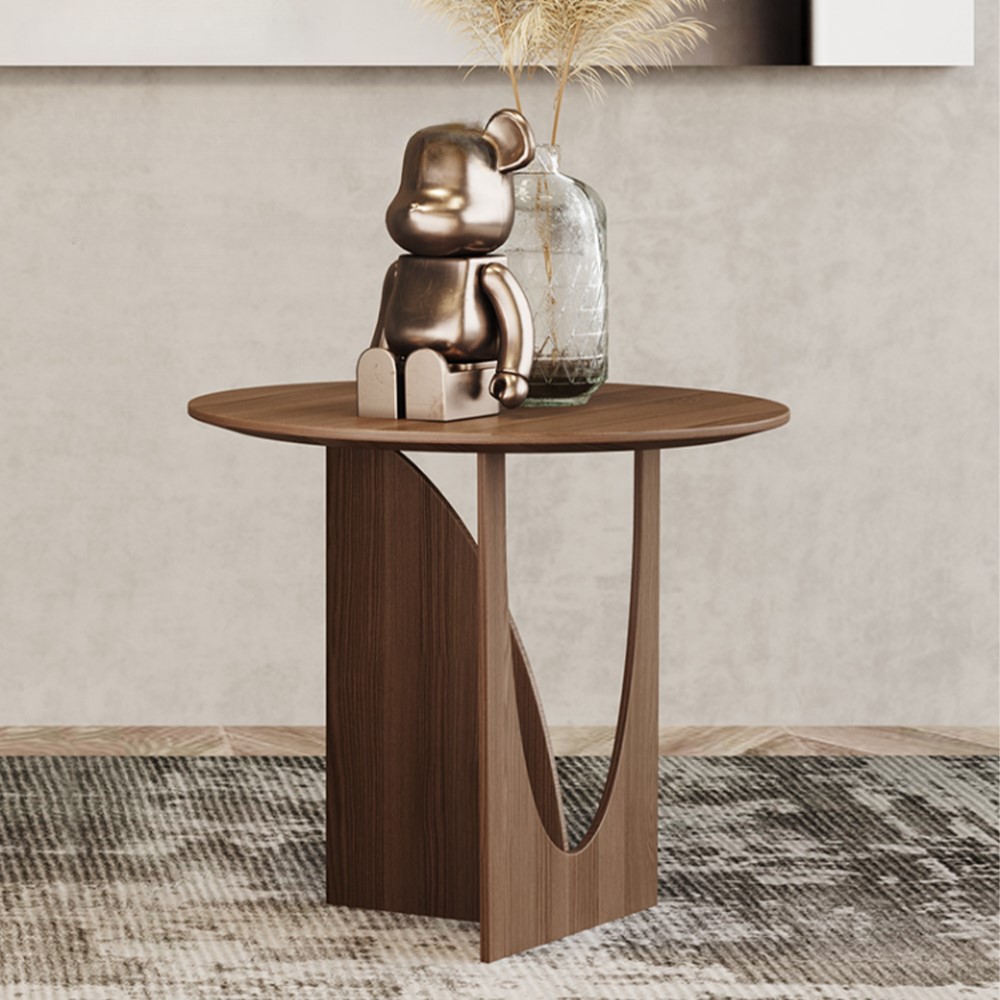
Outdoor Options
Side tables work well on patios or balconies. They hold drinks and snacks during outdoor gatherings. Choose weather-resistant materials for durability. Small tables can brighten up your outdoor space. Use them near chairs or loungers for easy access.
Credit: www.povison.com
Maintenance Tips
Keeping a side table in good shape takes simple care. Regular maintenance helps it look fresh and last longer. Small efforts protect your table’s style and function.
Cleaning Methods
Dust your side table often with a soft cloth. Use a damp cloth for sticky spots. Avoid harsh chemicals that can damage the finish. For wood tables, use a cleaner made for wood surfaces. Dry the table well after cleaning to stop water marks.
Protecting Surfaces
Use coasters to stop water rings from drinks. Place mats under hot items to avoid burns. Avoid placing heavy objects that may scratch the surface. Keep your side table out of direct sunlight to prevent fading. Soft pads under the legs protect floors and keep the table steady.
Repair And Upkeep
Fix small scratches with a touch-up marker or wax stick. Tighten loose screws to keep the table stable. Replace broken parts quickly to avoid bigger damage. Light sanding and refinishing can restore worn wood. Regular checks help catch problems early and save money.

Credit: www.livingspaces.com
Frequently Asked Questions
What Is The Primary Purpose Of A Side Table?
A side table provides a convenient surface next to seating areas. It holds items like lamps, drinks, or books. It enhances room functionality and décor without occupying much space.
How Does A Side Table Differ From A Coffee Table?
Side tables are smaller and placed beside furniture. Coffee tables are larger and sit centrally in a living room. Side tables offer easy access while sitting, complementing the coffee table.
What Materials Are Side Tables Commonly Made From?
Side tables come in wood, metal, glass, or plastic. Each material offers different styles and durability. Wood is classic, metal is modern, and glass adds elegance.
Can Side Tables Improve Room Organization?
Yes, side tables help keep essentials within reach. They reduce clutter by holding remotes, magazines, or keys. This enhances room tidiness and accessibility.
Conclusion
A side table adds both style and function to any room. It holds items you need close by, like lamps or drinks. These tables come in many shapes, sizes, and materials. They fit well beside sofas, beds, or chairs. Choosing the right side table helps keep your space neat.
It also makes your room feel cozy and complete. Simple yet useful—side tables are a great home addition. Consider one to enhance your living area today.
As an Amazon Associate, I earn from qualifying purchases.