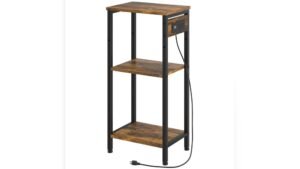
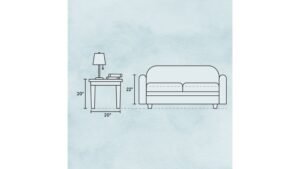
When it comes to making your living space comfortable and stylish, every detail matters — especially your furniture. One question you might have is, “How tall should an end table be?” Choosing the right height can change how your room feels and works for you.
If your end table is too tall or too short, it can be frustrating to use and might even throw off the look of your space. You’ll discover simple tips to find the perfect height for your end table, so it blends seamlessly with your sofa or chair and makes your daily life easier.
Keep reading, and you’ll soon have a clear answer that fits your home perfectly.
Choosing The Right Height
Choosing the right height for an end table is important for comfort and style. The table should fit well with your furniture and room. Too tall or too short can make the space look off or feel awkward. The goal is to find a height that feels natural and useful.
Think about how you use the table. Is it for drinks, lamps, or decor? The height affects how easy it is to reach items on the table. A well-chosen height creates a smooth flow in the room.
Matching Sofa Height
End tables usually sit next to sofas. The table top should be close to the sofa arm height. This makes it easy to place and grab items. Measure your sofa arm first. Then find a table that is the same height or a bit lower. Avoid tables that are much taller than the sofa arm.
Consider Chair Heights
Chairs near the end table also matter. The table should be comfortable to use from the chair. Measure the chair arm or seat height. Choose a table that allows easy reach. A table too tall or too short can feel strange. Match the table height to the seating for balance.
Balancing Room Scale
Think about the size of your room and furniture. A big room with large furniture can hold taller tables. Small rooms work better with shorter tables. The table should not overpower other pieces. Keep the scale balanced to maintain harmony. Use tables that fit the space without crowding it.

Credit: hirosarts.com
Standard End Table Heights
Choosing the right height for an end table is key to comfort and style. Standard end table heights help create a balanced look with your furniture. They also make it easy to reach for a drink, book, or lamp. Understanding these heights helps you pick a table that fits your space well.
Standard sizes work well in most rooms. But knowing the options helps you customize your space. Here are common height ranges, style variations, and custom options to consider.
Common Height Ranges
Most end tables range between 22 and 30 inches tall. This range fits well next to sofas and chairs. The typical height is about the same as the armrest of your seating. A table too low or too high can feel awkward to use.
For smaller sofas, tables around 22-24 inches work best. Larger sofas often pair with tables closer to 28-30 inches. These sizes keep the table within easy reach without bending or stretching.
Variations By Style
Different table styles change the height slightly. Traditional tables often lean toward the taller side. Modern or minimalist designs may be shorter and sleeker. Some styles include adjustable legs to fit your needs.
Round tables sometimes appear shorter due to their shape. Square or rectangular tables might be taller for more surface area. Choose a style that matches your furniture and room size.
Custom Height Options
Custom tables let you pick the perfect height for your space. This option works well if your sofa has unusual armrest heights. Custom tables also fit specific room layouts better.
Many furniture makers offer custom sizing. You can request a height that matches your comfort level. This choice ensures your end table blends seamlessly with your decor.
Height For Different Uses
The height of an end table changes based on its use. Different activities need different table heights. Choosing the right height makes your space comfortable and practical. Below are common uses and the best heights for each.
Reading And Lighting
End tables for reading need to be close to the chair or sofa height. Around 22 to 28 inches works well. This height keeps lamps at eye level. It also allows easy reach for books or glasses. A table too low or high can cause discomfort.
Serving Drinks And Snacks
For serving drinks and snacks, the table should be slightly lower than the seat. Between 18 and 24 inches is ideal. This height helps avoid spills when reaching. It keeps drinks steady and snacks easy to grab. Comfort during social times improves with this size.
Decorative Display
Decorative tables can vary in height based on style. Typically, 20 to 26 inches fits well in most rooms. This height allows showing plants, photos, or art pieces clearly. It also balances the room visually. Avoid tables that are too tall or short for the space.
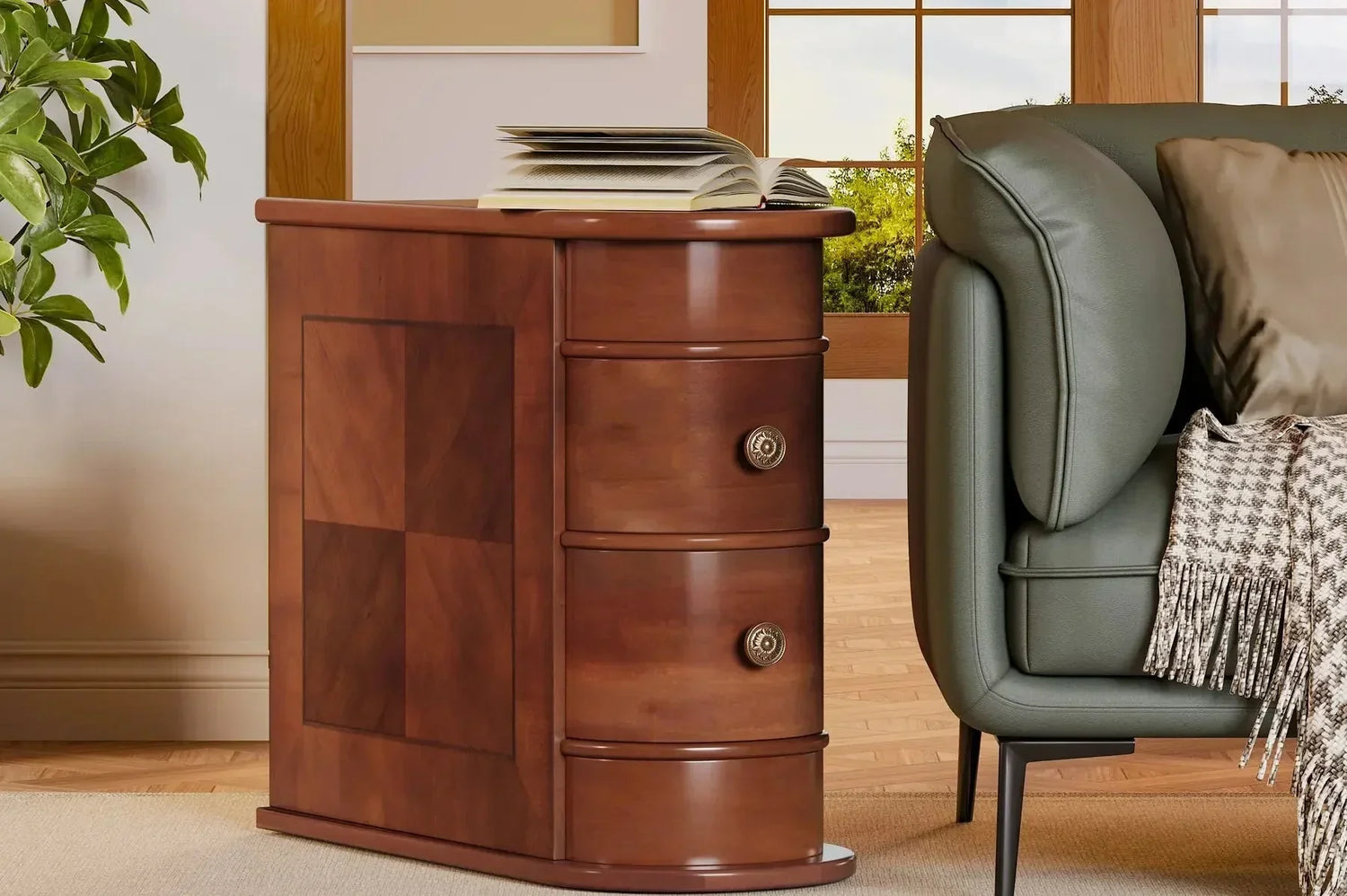
Credit: tribesigns.com
Materials Affecting Height Perception
The material of an end table changes how tall it looks. Different materials create different feelings of height. Some materials feel heavy and solid. Others feel light and open. These feelings affect how tall the table seems in your room.
Choosing the right material helps the table fit well with your space. It also helps the table match your sofa or chair height. The right look can make your room feel balanced and cozy.
Wood Vs. Metal
Wood end tables often look solid and heavy. Thick wood can make a table appear shorter and sturdy. Dark wood colors add to this heavy look. Light wood can seem taller and lighter.
Metal tables usually look thinner and lighter. Thin metal legs create a sense of height. Metal’s sleek lines make the table feel less bulky. This style often looks taller than wood tables.
Glass And Acrylic
Glass and acrylic tables feel very light and open. They let light pass through, so they look less tall. Clear materials create less visual weight. This makes the table blend with the room better.
These materials are good for small rooms. They make the space feel bigger. A glass top with thin legs looks taller and airier.
Mixed Materials
Tables made from mixed materials have unique looks. A wood top with metal legs combines weight and lightness. The wood part feels solid, but metal legs add height.
Mixing materials can balance how tall a table feels. It also adds interest and style. These tables fit many room designs and look good with many furniture types.
Tips For Measuring And Testing
Choosing the right height for an end table makes a big difference in your room’s comfort and style. Measuring and testing before buying helps avoid mistakes. Simple tools and tricks can guide you to the perfect fit. Try these tips to measure and test your end table height.
Using Tape Measure
Start by measuring the height of your sofa or chair seat. Use a tape measure to get an exact number. Most end tables should be the same height or slightly lower than the seat. Write down the measurement. This gives you a clear target for your end table height.
Mock-up With Books Or Boxes
Stack books or boxes near your sofa to mimic an end table. Build the stack to the height you measured. Sit down and see how easy it is to reach items on the stack. Adjust the height by adding or removing books. This simple mock-up helps you visualize the final table size.
Comfort Testing
Comfort is key. Sit on your sofa and place your arm where the table would be. Check if the height feels natural and if you can reach items without stretching. Test with different heights using your mock-up. Choose the height that feels most comfortable for daily use.
Style Tips For Height Choices
Choosing the right height for an end table can change the whole feel of your room. Style plays a big role in this choice. Each design style works best with certain heights. The right height makes your space look balanced and comfortable.
Here are some style tips to help pick the perfect height for your end table. These tips fit different home styles and help keep your room looking great.
Modern Minimalist
Modern minimalist style favors clean lines and simple shapes. End tables should be low and sleek. A height close to the sofa arm works well. This keeps the look neat and uncluttered. Choose tables with thin legs and smooth tops. This style avoids large or bulky tables.
Rustic And Traditional
Rustic and traditional rooms feel warm and cozy. Taller end tables work best here. They often have detailed woodwork and a sturdy feel. The height should be slightly above the sofa arm. This adds a touch of classic charm. Look for tables with rich wood tones and textures.
Eclectic Mix
Eclectic style blends many different looks. End table heights can vary in this style. Mixing tall and short tables adds interest. Choose pieces that show personality and color. This style allows more freedom with height. The key is to keep the room lively but balanced.
:max_bytes(150000):strip_icc()/SPR-coffee-table-height-8683025-e10d86aeba664826bae1732f1be489a2.png)
Credit: www.thespruce.com
Frequently Asked Questions
What Is The Ideal Height For An End Table?
The ideal height for an end table is usually 22 to 30 inches. It should be level with or slightly lower than your sofa arm for easy access.
How To Measure End Table Height Correctly?
Measure from the floor to your sofa’s armrest. Choose an end table height within 1-2 inches of this measurement for comfort and usability.
Can End Tables Be Taller Than Sofas?
End tables can be taller but it’s not recommended. Taller tables may feel awkward and disrupt room balance and accessibility.
Does End Table Height Affect Room Aesthetics?
Yes, the right height enhances room flow and balance. Properly sized tables complement furniture and improve overall visual harmony.
Conclusion
Choosing the right height for an end table makes a big difference. It should match your sofa or chair height. This helps you reach items easily without straining. Too tall or too short tables can feel awkward. Think about comfort and style when picking the size.
A well-sized end table adds both function and beauty to your space. Keep it simple and practical for everyday use. This small detail makes your room feel complete and cozy.
As an Amazon Associate, I earn from qualifying purchases.