Many people wonder if air purifiers are really worth buying. You see ads everywhere. They promise clean air and fewer allergies. But do they work? Or are they just a waste of money? In this article, we will look closely at air purifiers. We will talk about what they do, how they work, and if they help you breathe better.
What Is an Air Purifier?
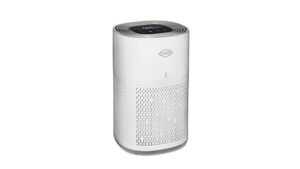
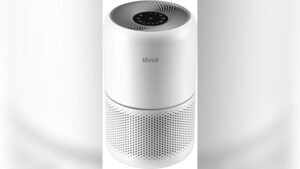
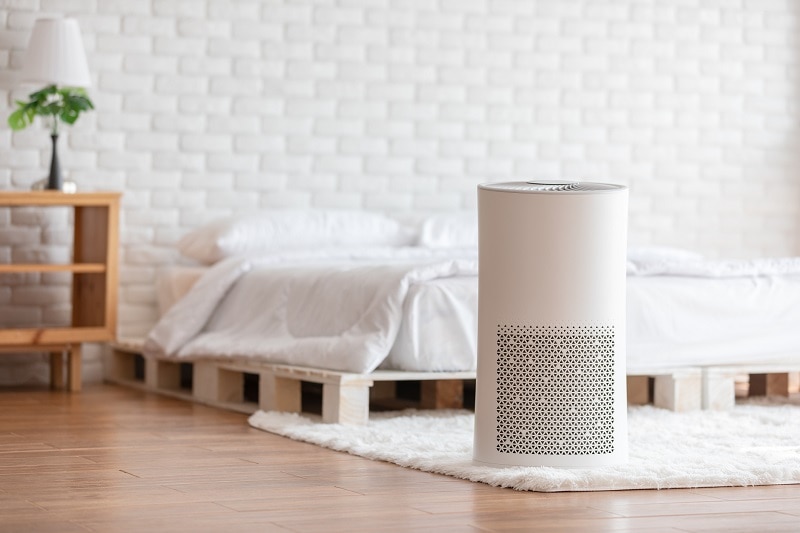
An air purifier is a machine. It cleans the air inside your home. It pulls in air, removes dirt, dust, and tiny particles. Then it sends out clean air. The goal is to make the air healthier to breathe.
There are many types of air purifiers. Some use filters. Others use electricity to trap dust. Some use special lights or chemicals. But the most common ones use a filter called HEPA. HEPA filters can catch very small particles.

Credit: alen.com
Why Do People Buy Air Purifiers?
People buy air purifiers for many reasons:
- To reduce dust and dirt in the air
- To help with allergies and asthma
- To remove bad smells
- To reduce smoke or pet dander
- To make the air feel fresher and cleaner
Some people live in cities. The air outside is often dirty. They want to keep their homes clean. Others have pets that shed hair and dander. Some have family members with allergies or asthma. For these people, air purifiers seem helpful.
How Do Air Purifiers Work?
Air purifiers usually work by pulling air through filters. The filter traps dust, pollen, and some germs. Then clean air goes back into the room.
Filters come in different types:
| Filter Type | How It Works | Good For |
|---|---|---|
| HEPA Filter | Traps tiny particles like dust and pollen | Allergies, asthma, dust |
| Activated Carbon | Removes odors and some gases | Smoke, cooking smells, chemicals |
| UV Light | Kills some bacteria and viruses | Some germs and germs in the air |
Most air purifiers combine filters. For example, a HEPA filter with an activated carbon filter. This helps clean the air better.
Do Air Purifiers Really Work?
This is the big question. Do they clean the air enough? The answer is: it depends.
If you have allergies or asthma, air purifiers can help. They reduce dust, pollen, and pet dander. Many people feel better when they use one.
Air purifiers can also help with bad smells. If your home smells like smoke or cooking, an air purifier may remove some odors.
However, air purifiers do not remove all germs or viruses. They also cannot stop pollution outside your home. You still need good ventilation and fresh air.
Plus, air purifiers work best in small, closed rooms. If you have a big open space, the purifier may not clean all the air well.
When Are Air Purifiers a Waste of Money?
Sometimes, air purifiers might not be worth it:
- If you don’t have allergies or breathing problems
- If your home is already clean and well-ventilated
- If you buy a cheap or low-quality purifier
- If you expect it to remove all germs and viruses
Cheap air purifiers may not clean the air well. They might use poor filters or have weak fans. This means they do little to improve air quality.
Also, if you don’t clean or change the filters regularly, the purifier will not work well. Dirty filters can even spread dust and germs.
How to Choose a Good Air Purifier
If you decide to buy one, choose carefully. Here are some tips:
- Look for a HEPA filter. It catches most small particles.
- Check the room size. Buy a purifier made for your room size.
- Consider noise level. Some purifiers are loud. You want a quiet one for bedrooms.
- Check for extra filters. Activated carbon helps with smells.
- Read reviews. See what other buyers say about its performance.
- Plan to clean or change filters. Regular maintenance keeps it working well.
How to Use an Air Purifier Well
Even the best air purifier needs good use:
- Keep windows and doors closed while it runs.
- Place the purifier in the room you use most.
- Run it for many hours each day for best results.
- Clean or change filters as the manual says.
- Use it along with other ways to keep air clean.
Other Ways to Improve Indoor Air Quality
Air purifiers are not the only way to clean air. You can also try these:
- Open windows to get fresh air when outside air is clean.
- Keep your home clean. Dust and vacuum often.
- Avoid smoking indoors.
- Use exhaust fans in kitchens and bathrooms.
- Limit use of chemicals like sprays and strong cleaners.
- Keep pets clean and groomed to reduce dander.
Credit: www.vitacost.com
Cost of Air Purifiers
Air purifiers vary in price. Some cost less than $50. Others can be several hundred dollars. You also pay for filters. Filters need replacement every few months.
So, the cost adds up. You pay to buy the machine and keep it running.
If your budget is small, think carefully. Maybe cleaning your home well is better. Or open windows often.
Conclusion: Are Air Purifiers Worth It?
Air purifiers are not always a waste of money. They can help people with allergies, asthma, or bad smells. They clean some dust, pollen, and pet dander from the air.
But they are not magic. They do not remove all germs or pollution. They work best in small rooms and with good filters.
If you do not have breathing problems, an air purifier may not make much difference. Also, cheap or poor quality purifiers may waste your money.
To get value, choose a good model with a HEPA filter. Use it properly and keep it clean. Combine it with other ways to keep air fresh.
In the end, air purifiers can be useful. But they are only one part of clean indoor air. Think about your needs and budget before buying.
Frequently Asked Questions
Do Air Purifiers Really Improve Indoor Air Quality?
Air purifiers help remove dust, pollen, and smoke from the air. They can reduce allergens and improve breathing in many homes.
Can Air Purifiers Remove Viruses And Bacteria?
Some air purifiers use HEPA filters that trap tiny particles, including some germs. They may lower the number of airborne bacteria but do not kill them.
Is It Worth Buying An Air Purifier For Allergies?
Air purifiers can reduce allergens like pet dander and pollen. They often help people with mild to moderate allergy symptoms.
How Often Should I Replace Air Purifier Filters?
Filters usually need changing every 3 to 6 months. Check the manufacturer’s guide for the best replacement schedule.
As an Amazon Associate, I earn from qualifying purchases.