Are you considering adding a jute rug to your home but wondering if it will feel soft under your feet? You want something that looks natural and stylish, but comfort matters just as much.
Jute rugs have become popular for their eco-friendly appeal and unique texture, but many people ask the same question: are jute rugs soft enough for everyday use? You’ll discover the truth about jute rug softness, what affects their feel, and how you can make sure your space stays cozy without sacrificing style.
Keep reading to find out if a jute rug is the right choice for your home comfort.
Credit: www.elburne.com
Jute Rug Basics
Jute rugs offer a natural and earthy feel to any room. They are popular for their unique texture and eco-friendly nature. Understanding the basics of jute rugs helps you know what to expect from their softness and durability.
This section explains what jute is and how jute rugs are made. It gives clear details to help you decide if a jute rug fits your home.
What Is Jute?
Jute is a natural fiber from the jute plant. It grows mainly in warm and wet climates. The fiber is strong and has a rough texture. It is one of the most affordable natural fibers. Jute is biodegradable and eco-friendly. People use jute for making bags, ropes, and rugs. Its natural look adds warmth to home decor.
How Jute Rugs Are Made
Jute fibers are harvested from the plant stalks. The fibers are then cleaned and spun into yarn. Skilled artisans weave or braid the yarn into rugs. The weaving process gives jute rugs their unique texture. These rugs are usually flatwoven and firm. The natural fibers create a slightly rough feel. This texture is part of the jute rug’s charm. No harsh chemicals are used in the making. This keeps the rug safe and eco-friendly for homes.

Credit: www.ramblingrenovators.ca
Texture And Feel
Understanding the texture and feel of jute rugs helps you decide if they suit your space. Jute has a natural look that adds warmth. Its texture can be quite different from soft carpets. This section explains what you can expect when you touch a jute rug.
Natural Coarseness Of Jute
Jute fibers are naturally coarse. This means they feel rough to the touch. The roughness comes from the plant’s tough fibers. It gives jute rugs a rustic and earthy feel. This texture is part of their charm. The coarseness also makes them durable and long-lasting.
Variations In Softness
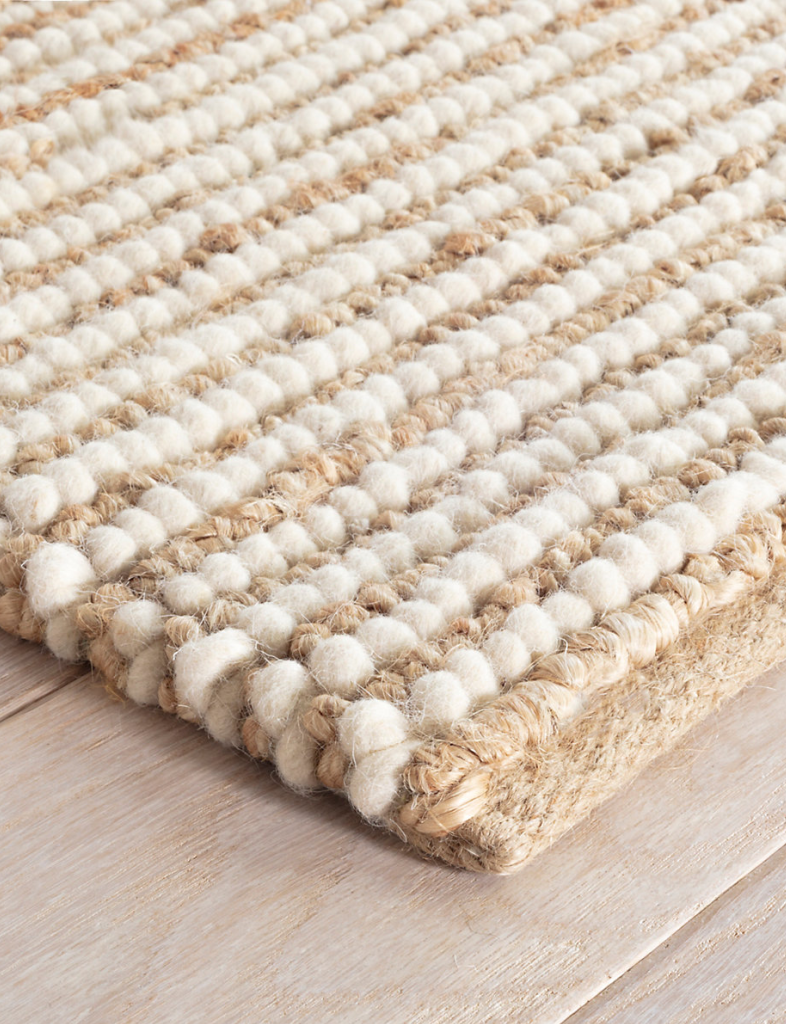
Not all jute rugs feel the same. Some are softer because of different weaving styles. The thickness of the fibers can also change the feel. Rugs with tighter weaves usually feel smoother. Some jute rugs blend with other fibers to add softness. You can find softer jute rugs made for comfort.
Factors Affecting Comfort
Comfort is an important factor when choosing a jute rug. The feel of the rug under your feet depends on several things. These elements can change how soft or rough the rug feels. Understanding these factors helps you pick the right jute rug for your space.
Weave And Thickness
The weave of a jute rug affects its softness. Tight weaves create a smoother surface. Loose weaves often feel rougher and less soft. Thickness also matters. Thicker rugs provide more cushioning. Thin rugs may feel harder on bare feet. Both weave and thickness shape how comfortable the rug feels.
Backing And Padding Options
Backing adds support to jute rugs. Some rugs have a cloth or latex backing. This backing can make the rug feel softer. Padding underneath the rug offers extra comfort. Foam or felt pads create a plush surface. Without padding, jute rugs may feel firm. Choosing the right backing or padding improves overall comfort.
Credit: www.danielle-moss.com
Comparing Jute To Other Materials
Jute rugs are popular for their natural look and eco-friendliness. Comparing jute to other materials helps understand its softness and feel. Different rug materials offer unique textures and benefits.
Jute Vs Wool Rugs
Wool rugs are soft and warm. They feel plush under bare feet. Wool also resists stains and lasts longer. Jute rugs have a coarse texture. They feel rougher but are sturdy. Wool costs more than jute. Wool suits cozy rooms. Jute fits casual, natural spaces.
Jute Vs Synthetic Rugs
Synthetic rugs are smooth and soft. They often imitate natural fibers. These rugs resist water and stains well. Jute rugs absorb moisture and can feel rough. Synthetic rugs are easier to clean. Jute offers a natural, earthy look. Synthetic rugs fit busy homes better. Jute rugs bring a rustic charm.
Enhancing Jute Rug Softness
Jute rugs have a natural, rough texture. Many wonder how to make them feel softer underfoot. Enhancing the softness of a jute rug improves comfort and usability. Small changes can make a big difference in how the rug feels in your home.
Simple steps like choosing the right underlay and proper care keep the rug soft longer. These methods help the rug stay comfortable without losing its natural charm.
Choosing The Right Underlay
An underlay adds a soft layer beneath the jute rug. It cushions your feet and reduces roughness. Foam or felt underlays are good options. They also stop the rug from slipping on hard floors. Picking a thick underlay improves softness and safety at once.
Maintenance Tips For Comfort
Regular cleaning helps maintain the rug’s softness. Vacuum gently to remove dust and dirt. Avoid harsh chemicals that can dry out the fibers. Spot clean with mild soap and water. Keep the rug dry to prevent stiffness. Rotate the rug often to wear it evenly. Following these care tips keeps the jute rug soft and inviting.
Ideal Uses For Jute Rugs
Jute rugs offer a natural, warm look to any space. Their texture and durability make them useful in many rooms. Understanding where jute rugs work best helps you choose the right spot for them. These rugs fit well in areas that need a blend of style and function.
Best Rooms And Settings
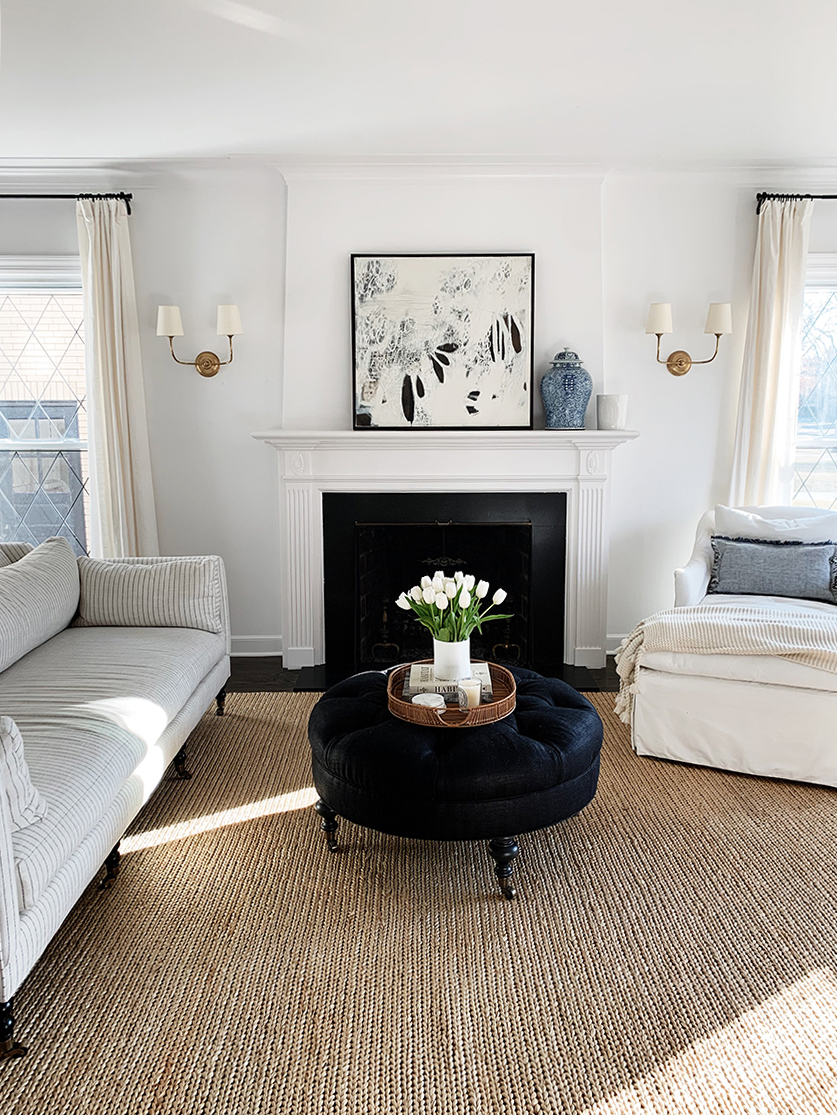
Jute rugs suit living rooms and bedrooms well. They add a cozy, organic feel to these spaces. In dining rooms, they bring a rustic charm that pairs nicely with wooden furniture. Offices and reading nooks also benefit from jute’s natural texture. These rugs shine in calm, relaxed areas with moderate foot traffic.
Suitability For High-traffic Areas
Jute rugs handle moderate traffic but show wear in very busy spots. They resist dirt but can fray with constant heavy use. Entryways and hallways might not be ideal for jute rugs. Instead, use them in places where people walk less often. Their durability fits better in calm, everyday living spaces.
Frequently Asked Questions
Are Jute Rugs Comfortable To Walk On?
Jute rugs have a natural coarse texture, making them less soft than wool or cotton. They provide firm comfort and a rustic feel, ideal for low-traffic areas. Their durability and eco-friendliness outweigh the softness factor for many users.
How Does Jute Rug Softness Compare To Other Rugs?
Jute rugs are generally rougher and less plush than synthetic or wool rugs. They offer a natural, earthy texture rather than softness. For a softer feel, jute blends with cotton or wool are better options.
Can Jute Rugs Cause Skin Irritation?
Jute rugs may cause mild irritation for sensitive skin due to their coarse fibers. However, most people tolerate them well, especially when placed over a soft rug pad. Proper cleaning reduces any itchiness or discomfort.
Do Jute Rugs Soften Over Time?
Yes, jute rugs tend to soften slightly with regular use and cleaning. The fibers become more flexible, improving comfort. However, they will not become as soft as plush rugs made from wool or synthetic materials.
Conclusion
Jute rugs offer a natural, earthy feel to any space. They are not as soft as wool or cotton rugs. Still, their texture adds charm and warmth. With care, jute rugs can feel more comfortable underfoot. They suit rooms where you want a rustic, cozy look.
Consider using a rug pad for extra softness. Overall, jute rugs bring style and durability together. A good choice for those who like natural fibers. Simple, tough, and stylish—jute rugs fit many homes.
As an Amazon Associate, I earn from qualifying purchases.