Are you wondering if your plastic coffee maker is safe to use every morning? You probably want to enjoy your coffee without worrying about harmful chemicals sneaking into your cup.
Knowing the truth about plastic coffee makers can protect your health and help you make smarter choices. Keep reading to discover what you need to watch out for, how plastic affects your coffee, and simple tips to keep your daily brew safe and delicious.
This information could change the way you start your day forever.
Credit: www.caffeibis.com
Plastic In Coffee Makers
Plastic parts are common in many coffee makers. They help shape the machine and hold water or coffee. Some people worry about plastic safety because it touches hot water. Understanding the types of plastic and why they are used helps clear doubts. This section explains the main plastics in coffee makers and their purpose.
Common Types Of Plastics Used
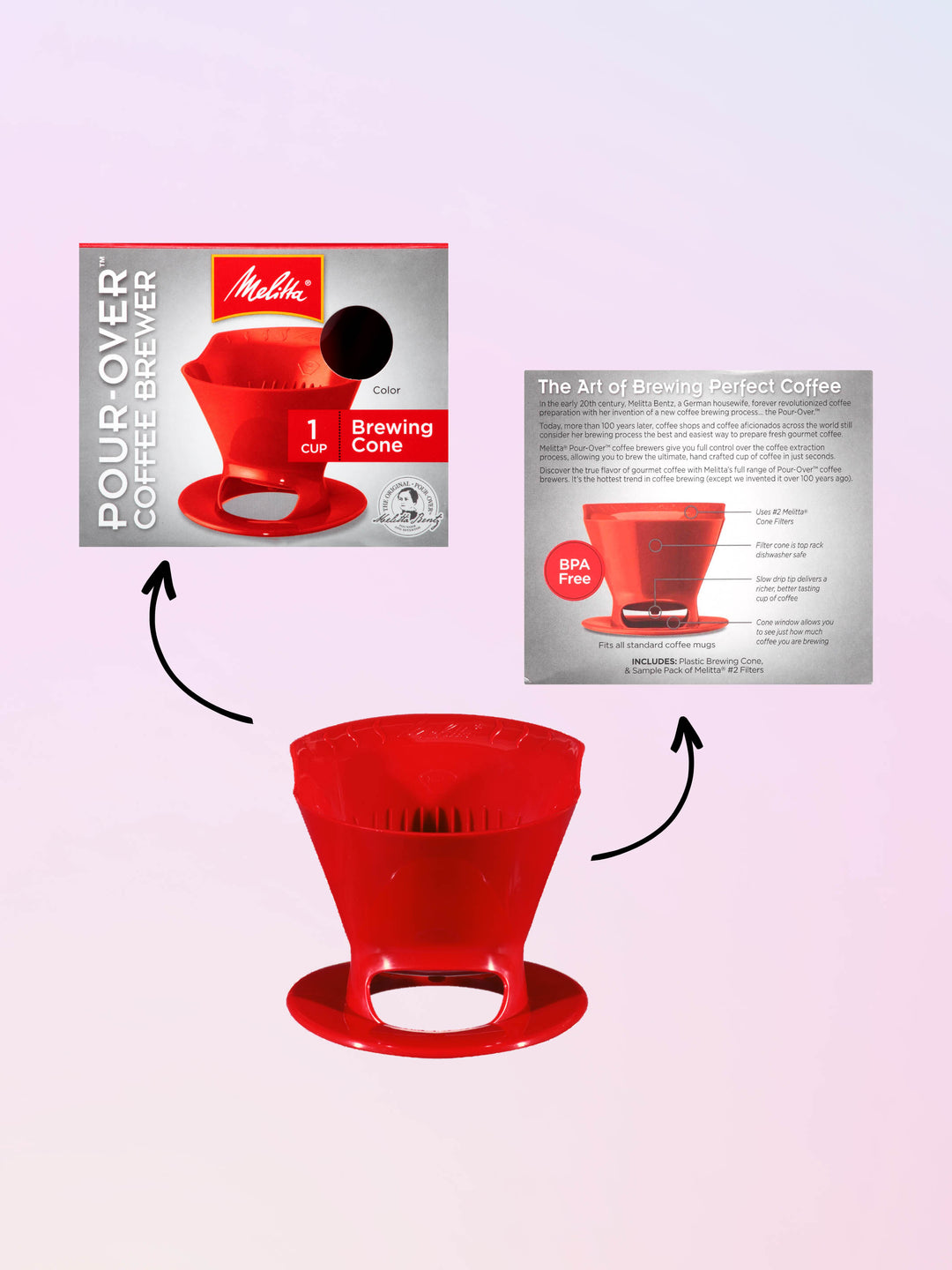
Many coffee makers use plastics like polypropylene and BPA-free plastics. Polypropylene is strong and handles heat well. It does not break down easily with hot water. BPA-free plastics avoid a chemical called bisphenol A. This chemical can be harmful in large amounts. Manufacturers choose plastics that resist heat and do not release harmful substances.
Reasons For Using Plastic Components
Plastic parts make coffee makers lighter and less expensive. They can be molded into many shapes for design and function. Plastic also insulates heat, keeping coffee warm longer. Using plastic saves energy because it heats quickly. Many plastic parts are safe if made from food-grade materials. This ensures no harmful chemicals mix with your coffee.

Credit: www.lakeshorelearning.com
Health Concerns Linked To Plastic
Plastic coffee makers are common in many homes. People like them because they are light and cheap. But there are health concerns linked to plastic. Hot water and heat can cause plastic to release chemicals. These chemicals might mix with coffee. This can affect your health over time.
Chemical Leaching Risks
Chemical leaching happens when plastic releases tiny particles. Heat makes this process faster. Chemicals can enter your coffee during brewing. Some chemicals are harmful even in small amounts. Long-term exposure may cause health problems. It is important to know which plastics leach chemicals.
Bpa And Other Harmful Substances
BPA is a chemical used in some plastics. It can act like a hormone in the body. This may cause issues with the brain and heart. Some plastic coffee makers contain BPA or similar chemicals. These substances can seep into hot coffee. Using BPA-free products reduces this risk. Check labels before buying a plastic coffee maker.
Safety Standards And Regulations
Safety standards and regulations ensure plastic coffee makers are safe for daily use. These rules control the materials and processes used in making coffee machines. They help protect users from harmful chemicals and poor quality products. Understanding these standards is key to choosing a safe coffee maker.
Fda And International Guidelines
The U.S. Food and Drug Administration (FDA) sets rules for plastic materials used in food contact. These rules ensure plastics do not release harmful substances into drinks. Many countries follow similar international guidelines for plastic safety. These include limits on chemicals like BPA and phthalates. Compliance with these guidelines means the coffee maker is safer to use.
Certifications To Look For
Certifications show that a plastic coffee maker meets safety standards. Look for FDA approval or a similar certification in your country. Certifications like NSF or UL also indicate product safety and quality. These marks prove the product passed tests for health and safety. Choosing certified products reduces risks from unsafe plastics.
Impact Of Heat On Plastic Coffee Makers
Heat plays a crucial role in coffee making, especially with plastic coffee makers. The high temperatures during brewing can affect the plastic’s quality and safety. Understanding how heat impacts plastic helps us know if these coffee makers are safe to use.
Temperature Effects On Plastic Integrity
Plastic can change when exposed to hot water. Some plastics soften or warp under heat. This change can weaken the coffee maker’s structure. Weaker plastic may crack or break over time. Not all plastics react the same way to heat. High-quality plastics resist heat better. Low-quality plastics may degrade faster. This affects the coffee maker’s lifespan and safety.
Potential For Chemical Release During Brewing
Heating plastic can cause chemicals to leach into coffee. Some plastics contain harmful substances like BPA. BPA and other chemicals may transfer to hot liquids. This can pose health risks to users. Manufacturers now use BPA-free plastics to reduce risks. Still, some plastic types may release unknown chemicals. The risk depends on the plastic type and temperature. Choosing safe plastic materials lowers chemical release chances.
Comparing Plastic With Other Materials
Choosing the right material for a coffee maker affects taste, safety, and durability. Plastic, glass, and stainless steel are popular choices. Each has its own benefits and drawbacks. Understanding these helps pick the best option for daily use.
Plastic coffee makers often cost less and are lighter. Glass and stainless steel models usually last longer and offer different safety features. Let’s explore these materials in detail.
Glass And Stainless Steel Options
Glass coffee makers provide a clean taste without flavors from the container. They allow you to see the brewing process. Glass is easy to clean but can break if dropped.
Stainless steel coffee makers are very strong and resist damage. They keep coffee hot longer than glass or plastic. Stainless steel does not absorb odors or stains, making it a safe choice.
Durability And Safety Differences
Plastic coffee makers can be less durable and may wear out faster. Some plastics may release chemicals when heated. Choose BPA-free plastics to reduce risks.
Glass is fragile but safe for hot liquids. It does not leach chemicals into coffee. Stainless steel is the safest and most durable. It resists rust and does not affect coffee flavor.
Tips For Choosing Safe Coffee Makers
Choosing a safe coffee maker is important for your health and taste. Some plastics can release harmful chemicals when heated. This section gives tips to help you pick safe coffee makers. It also explains how to care for them to reduce risks.
Identifying Safe Plastic Products
Look for coffee makers made with BPA-free plastic. BPA can seep into your coffee and may harm your health. Check labels or product descriptions for BPA-free signs. Some plastics are marked with recycling codes 1, 2, 4, or 5. These are usually safer for hot liquids. Avoid plastics with recycling codes 3, 6, or 7. These may contain harmful chemicals. Choose coffee makers with clear safety certifications. They meet strict health standards and are tested for safety.
Maintenance Practices To Reduce Risks
Clean your coffee maker regularly to prevent bacteria and mold growth. Use mild soap and warm water for cleaning. Avoid harsh chemicals that can damage plastic parts. Replace any cracked or worn plastic components. Heat can cause plastic to break down over time. Do not leave coffee in the machine for long periods. This can increase chemical leaching from plastic. Follow the manufacturer’s instructions for use and care. Proper maintenance helps keep your coffee safe and fresh.
Consumer Experiences And Research Findings
Many people worry about the safety of plastic coffee makers. They want to know if these machines release harmful chemicals. Consumer experiences and scientific studies help answer these questions. This section explores what research shows and what users report about plastic coffee makers.
Studies On Plastic Coffee Maker Safety
Several studies examine plastic coffee makers for chemical leaks. Some research focuses on BPA and other chemicals that plastics might release. Most modern coffee makers use BPA-free plastics to reduce risks. Tests show small amounts of chemicals may come out, but usually below harmful levels. Heat and time can increase chemical release, so newer designs aim to limit this. Scientists continue to study long-term effects of using plastic coffee makers.
User Reviews And Reports
Many users share their experiences online about plastic coffee makers. Some report no taste or smell changes in their coffee. Others mention a plastic-like odor when the machine is new. A few users feel uneasy about using plastic parts near hot water. Cleaning regularly helps reduce odors and buildup in machines. Overall, most users find plastic coffee makers safe for daily use. User feedback often supports scientific findings on safety and quality.

Credit: www.ilcs.org
Frequently Asked Questions
Are Plastic Coffee Makers Harmful To Health?
Plastic coffee makers can release chemicals if low-quality plastic is used. High-quality BPA-free plastics are safer and commonly used. Always check for food-grade labels to minimize health risks.
Do Plastic Coffee Makers Affect Coffee Taste?
Plastic coffee makers may slightly alter coffee taste compared to metal or glass. However, most users find the difference minimal. Proper cleaning helps maintain the coffee’s natural flavor.
How To Clean Plastic Coffee Makers Safely?
Use mild detergent and warm water to clean plastic coffee makers. Avoid abrasive scrubbers to prevent scratches where bacteria can grow. Regular cleaning prevents residue buildup and maintains safety.
Is Bpa In Plastic Coffee Makers A Concern?
BPA is a chemical linked to health risks if ingested. Most modern plastic coffee makers use BPA-free materials. Always confirm the product is BPA-free for safer use.
Conclusion
Plastic coffee makers can be safe if you choose the right type. Look for BPA-free materials to reduce health risks. Clean your coffee maker regularly to avoid bacteria buildup. Avoid using damaged or old plastic parts. Remember, metal or glass coffee makers may offer safer options.
Your health matters, so pick a coffee maker that fits your needs. Enjoy your coffee with peace of mind every day. Simple steps help keep your coffee safe and tasty.
As an Amazon Associate, I earn from qualifying purchases.