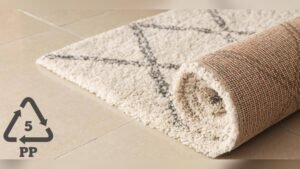
Are you wondering if your polyester rug could be harming your home or health? You’re not alone.
Many people choose polyester rugs for their style and affordability, but few stop to ask: Are polyester rugs toxic? Understanding what’s really in your rug can protect you and your loved ones from hidden risks. Keep reading to discover the truth about polyester rugs, so you can make the safest choice for your space.
What Are Polyester Rugs Made Of
Polyester rugs are popular for their durability and vibrant colors. They look soft but are made from man-made materials. Understanding their makeup helps to know if they are safe for your home.
These rugs come from synthetic fibers created in factories. The process uses chemicals to turn raw materials into the fibers you see in rugs. The type of chemicals and fibers affects the rug’s feel and safety.
Synthetic Fibers Explained
Polyester fibers come from petroleum products. They are made by melting plastic pellets and stretching them into thin threads. These threads are then woven into rugs.
These synthetic fibers are strong and resist stains well. They do not absorb water like natural fibers, which helps rugs dry quickly. The fibers also hold colors better, keeping the rug bright for longer.
Common Chemicals Used
Making polyester involves chemicals like ethylene glycol and terephthalic acid. These substances combine to create polyester resin. The resin is then heated and shaped into fibers.
Some polyester rugs may have additional chemicals for fire resistance or stain protection. These additives can sometimes release small amounts of gases after manufacturing.
Knowing these chemicals helps to understand the potential for odors or emissions in new rugs. Proper ventilation can reduce any initial smell from these substances.
Potential Health Hazards
Polyester rugs are popular for their durability and affordability. Yet, some people worry about health risks. Understanding the potential health hazards helps you make safer choices. This section explains the main concerns linked to polyester rugs.
Off-gassing And Vocs
New polyester rugs may release chemicals into the air. This process is called off-gassing. These chemicals are known as volatile organic compounds (VOCs). VOCs can cause headaches, dizziness, and irritation. The smell often fades after a few days or weeks. Proper ventilation can reduce exposure to off-gassing.
Allergic Reactions
Some people might react to polyester fibers or chemicals used in rugs. Symptoms include sneezing, itching, or skin rash. Dust and dirt trapped in rugs can worsen allergies. Regular cleaning helps lower allergy risks. Choosing rugs labeled hypoallergenic may help sensitive individuals.
Long-term Exposure Risks
Repeated exposure to VOCs may affect health over time. Some VOCs can harm the respiratory system or cause chronic issues. Research on long-term risks is still ongoing. Minimizing time spent in rooms with new polyester rugs is wise. Keep rugs clean and air out rooms often.
Comparing Polyester With Natural Fibers
Choosing the right rug means understanding the materials used. Polyester and natural fibers each have unique qualities. Knowing their differences helps make a safe and smart choice.
Natural fibers come from plants or animals. Common types include wool, cotton, and jute. Polyester is a synthetic fiber made from plastic. These materials affect the rug’s look, feel, and safety.
Durability And Safety
Polyester rugs resist stains and fading better than many natural fibers. They keep their color and shape for a long time. Wool rugs are strong but can wear out with heavy use. Cotton rugs are softer but less durable.
Polyester does not attract dust mites easily. This can benefit people with allergies. Wool is naturally flame-resistant and less likely to cause static. Some natural fibers may hold dust and allergens more than polyester.
Environmental Impact
Natural fiber rugs come from renewable resources. Plants and animals grow without harmful chemicals. Wool rugs can biodegrade after use. Cotton farming may use a lot of water and pesticides.
Polyester is made from petroleum, a non-renewable resource. Making polyester emits more greenhouse gases than growing natural fibers. Polyester rugs do not break down easily in landfills. Recycling options for polyester are limited but growing.
Credit: www.rugs-direct.com
How To Minimize Exposure
Reducing exposure to potential toxins in polyester rugs helps keep your home safer. Small steps make a big difference. Simple habits can lower risks and improve air quality indoors.
Proper Ventilation Tips
Open windows often to let fresh air in. Use fans to move air around rooms. Avoid sealing your home tightly all the time. Fresh air helps reduce indoor pollutants from rugs. Ventilate especially after cleaning or buying a new rug.
Choosing Safer Alternatives
Look for rugs made from natural materials like wool or cotton. These options release fewer chemicals into the air. Check labels for low-VOC or non-toxic certifications. Natural rugs often last longer and feel better on skin. Switching to safer rugs lowers the chance of harmful exposure.
Regulations And Safety Standards
Polyester rugs are common in many homes. Their safety depends on strict rules and checks. These rules help make sure rugs do not harm health. Governments and groups set limits on chemicals in rugs. These laws protect families from toxic materials. Understanding these rules helps buyers make safe choices.
Testing And Certifications
Rugs go through tests to check for harmful chemicals. Labs test for substances like formaldehyde and heavy metals. Rugs that pass tests get safety certificates. These certificates show the rug meets health standards. Common certifications include OEKO-TEX and GREENGUARD. They ensure low chemical emissions and safe use indoors. Buying certified rugs lowers health risks for homes.
What Consumers Should Know
Not all polyester rugs have safety certificates. Check labels before buying to find certified rugs. Ask sellers about the rug’s chemical testing. Some rugs may release small amounts of chemicals. Ventilate rooms well after bringing in new rugs. Washing rugs can reduce chemical residues. Safe use and care help keep indoor air clean. Stay informed about rug safety rules in your area.
Credit: ohhappyhome.com.au

Credit: www.momscleanairforce.org
Frequently Asked Questions
Are Polyester Rugs Harmful To Health?
Polyester rugs are generally safe but may release VOCs initially. Proper ventilation reduces exposure. Choose rugs labeled low-VOC for better indoor air quality.
Do Polyester Rugs Emit Toxic Chemicals?
New polyester rugs can emit small amounts of VOCs like formaldehyde. These emissions fade over time with airing out, making long-term exposure minimal and typically non-toxic.
How To Reduce Toxins From Polyester Rugs?
Regular vacuuming and airing out your polyester rug lowers dust and chemical buildup. Use natural cleaning products to avoid adding harmful residues.
Are Polyester Rugs Safe For Children And Pets?
Polyester rugs are safe for kids and pets when properly ventilated. Avoid rugs with strong chemical odors and opt for certified non-toxic options for added safety.
Conclusion
Polyester rugs are common and affordable choices for many homes. They can release small amounts of chemicals, especially when new. Good ventilation helps reduce any risks from these chemicals. Choosing rugs with low chemical use is safer. Regular cleaning keeps your home fresh and healthy.
Knowing about polyester rugs helps you make smart decisions. Your health matters, so pick rugs that fit your comfort. Simple care and awareness make a big difference.
As an Amazon Associate, I earn from qualifying purchases.