Have you ever wondered if your favorite recliner chair is actually good or bad for you? You probably spend hours relaxing in it, but is it helping your body or quietly causing harm?
What if the comfort you feel now could lead to problems later? You’ll discover surprising facts about recliner chairs and learn how they might affect your health. Keep reading to find out what you need to watch for and how to enjoy your recliner without risking your well-being.

Credit: zecliner.com
Health Risks Linked To Recliners
Recliner chairs offer comfort but may cause health risks. Sitting for long hours in them can affect your body in several ways. Understanding these risks helps you make better choices for your health.
Impact On Posture And Spine
Recliners often encourage slouching. This puts extra pressure on your spine. Poor posture can lead to back pain and muscle stiffness. Over time, it may cause spinal misalignment. A stiff neck and shoulders are common problems too.
Circulation Problems
Sitting in a recliner for a long time slows blood flow. Legs may feel numb or tingly. Poor circulation can increase the risk of blood clots. Swelling in feet and ankles might occur. Moving regularly helps prevent these issues.
Increased Sedentary Behavior
Recliners promote long periods of sitting. This reduces physical activity and burns fewer calories. Sedentary habits raise the risk of heart disease and obesity. It also affects mental health, causing fatigue or mood swings. Taking breaks to stand or walk is important.

Credit: www.youtube.com
Benefits Of Recliner Chairs
Recliner chairs offer more than just a cozy spot to relax. They provide several health and comfort benefits. Many people find relief from pain and tension by using recliners. These chairs also help improve circulation and support those with mobility challenges. Understanding these benefits can help you decide if a recliner is right for your needs.
Pain Relief And Comfort
Recliner chairs help reduce pressure on the back and joints. They allow you to adjust your sitting position easily. This adjustment can ease pain in the lower back and legs. Soft padding supports the body gently, creating a soothing experience. Many users feel less muscle tension after sitting in a recliner.
Improved Blood Flow When Used Correctly
Raising your legs in a recliner can boost circulation. Proper reclining helps prevent blood from pooling in the legs. This can reduce swelling and numbness in the feet. Sitting with your feet elevated supports healthy blood flow. Good circulation is important for overall health and can reduce fatigue.
Support For Mobility Issues
Recliner chairs assist people with limited movement. They make it easier to sit down and stand up safely. Some recliners come with motorized controls for smooth adjustments. This support reduces the risk of falls or strain. For many, recliners improve daily comfort and independence.
How Recliners Affect Sleep Quality
Recliner chairs can change how you sleep. They offer comfort but also affect your sleep quality in many ways. Understanding these effects helps you make better choices for rest.
Sleeping Positions And Spinal Alignment
Recliners support a reclined position that changes your spine’s natural curve. This position may reduce pressure on the lower back. Yet, it might not keep your spine perfectly aligned. Poor alignment can cause stiffness and pain after sleep. Side sleepers might find some recliners uncomfortable. Back sleepers may benefit more if the recliner supports the neck well.
Potential For Sleep Apnea Aggravation
Reclining can affect breathing during sleep. For some, it may worsen sleep apnea symptoms. The reclined angle can cause the airway to narrow. This leads to snoring or interrupted breathing. Sitting too upright may help keep airways open. But too much recline might increase breathing problems. People with sleep apnea should be cautious when sleeping in recliners.
Tips For Better Rest In Recliners
Choose a recliner that supports your neck and back well. Adjust the angle to find the best comfort and alignment. Use pillows to support your head and lower back. Avoid sleeping in a recliner for very long periods. Try to keep a position that keeps your airway clear. Regularly change sleeping positions to reduce stiffness. These tips help improve sleep quality in recliners.
Choosing The Right Recliner
Choosing the right recliner matters a lot for your comfort and health. A good recliner supports your body and helps you relax properly. Not all recliners are the same. Some may cause discomfort or strain if they lack proper features. Focus on important aspects before buying. This helps avoid pain and supports your posture well.
Ergonomic Features To Look For
Ergonomic design means the chair fits your body well. Look for recliners with lumbar support. It helps keep your lower back in a healthy position. A headrest that supports your neck is useful too. Armrests should be at a comfortable height. These features reduce muscle strain and improve posture.
Material And Build Quality
Strong materials make the recliner last longer. Choose chairs with sturdy frames, like metal or hardwood. The fabric should feel soft but durable. Leather or high-quality fabric are good options. Avoid cheap materials that wear out fast. A well-built recliner gives better support and comfort.
Adjustability And Support Levels
Adjustable recliners let you find the best position. Look for options to change the backrest angle and footrest height. Some chairs offer multiple support levels for different body parts. These adjustments help reduce pressure on your spine. A recliner that fits your needs can prevent aches and improve relaxation.
Safe Usage Tips
Using recliner chairs can feel great, but using them safely matters. Sitting too long or in the wrong position can cause discomfort or health issues. Follow some simple tips to enjoy your recliner without problems. These tips help keep your body relaxed and healthy while you rest.
Limiting Sitting Time
Sit in your recliner for short periods. Avoid staying seated for hours at once. Stand up or change position every 30 to 60 minutes. This helps reduce stiffness and improves blood flow. Short sitting times keep your muscles active and prevent pain.
Incorporating Movement Breaks
Take small breaks to move your body. Stretch your arms, legs, and back regularly. Walk around the room or do light exercises. Movement breaks stop your body from feeling tight. They also boost energy and reduce fatigue.
Proper Reclining Angles
Use the recliner at the right angle. Avoid reclining too far back or sitting too upright. Keep your back at a gentle angle of about 110 to 130 degrees. This angle supports your spine and reduces pressure. Proper angles help you relax without straining your body.
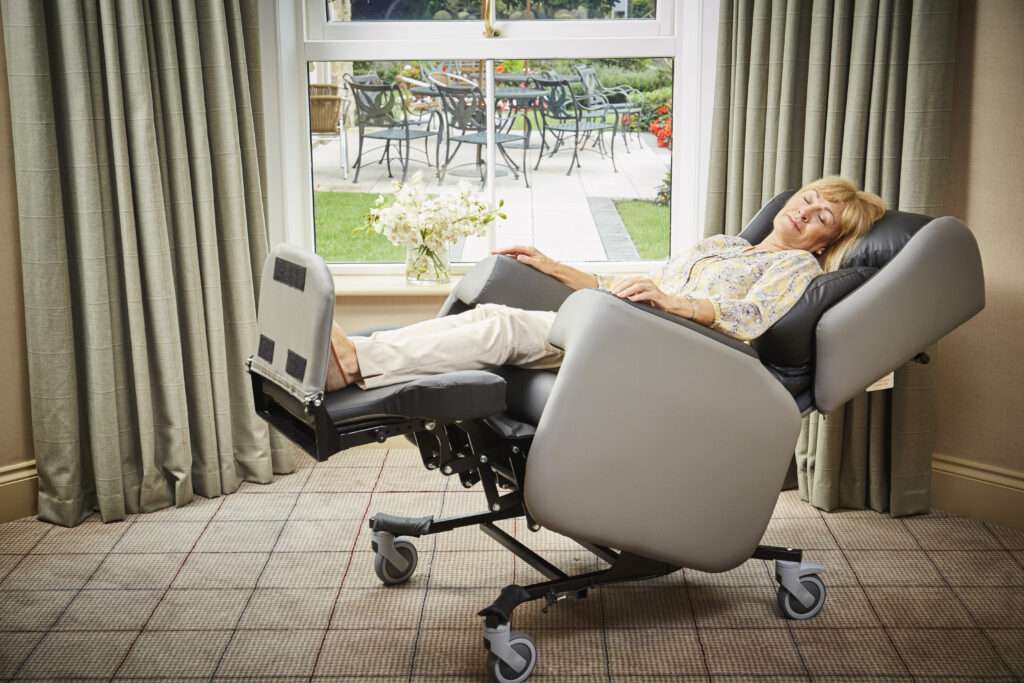
Credit: www.vivid.care
Alternative Seating Options
Recliner chairs offer comfort but might not support your body well for long periods. Choosing the right seating can improve your posture and reduce aches. There are several alternatives that promote better health and keep you active.
Ergonomic Chairs
Ergonomic chairs are designed to support your back and neck. They adjust to your body shape and encourage good posture. These chairs reduce pressure on your spine and help prevent pain. Many models come with lumbar support and adjustable armrests.
Standing Desks And Active Seating
Standing desks let you work while standing up, which helps reduce sitting time. Active seating options, like balance balls or stools, keep your muscles engaged. These choices improve circulation and prevent stiffness. They also encourage small movements that benefit your health.
Exercise And Stretching Alternatives
Taking breaks for exercise and stretching can relieve tension from sitting. Simple stretches improve flexibility and blood flow. Short walks or light exercise help your body stay strong. These habits reduce the negative effects of sitting in any chair for too long.
Frequently Asked Questions
Are Recliner Chairs Bad For Your Back?
Recliner chairs can support your back if used properly. Poor posture or sitting too long may cause discomfort or pain. Choose ergonomic models and take breaks to maintain back health and reduce strain.
Can Recliners Cause Poor Posture?
Yes, sitting in recliners for extended periods may encourage slouching. Maintaining good posture and adjusting the recliner angle can help prevent posture issues and promote spinal alignment.
Do Recliner Chairs Affect Circulation?
Prolonged sitting in recliners can reduce blood flow, causing poor circulation. Elevating your legs and changing positions regularly improves circulation and reduces risks of swelling or numbness.
Are Recliners Safe For Long-term Use?
Recliners are safe if used mindfully and combined with movement. Avoid excessive sitting, maintain good posture, and use supportive models to prevent health problems over time.
Conclusion
Recliner chairs offer comfort but can cause problems if used too long. Sitting in one for hours may lead to stiffness or back pain. Balance is important—mix sitting with walking or stretching. Choose a recliner that supports good posture well.
Use it wisely to enjoy rest without health risks. Small changes in how you sit can make a big difference. Stay aware of your body’s signals to avoid discomfort. Comfort and health can go hand in hand with care.
As an Amazon Associate, I earn from qualifying purchases.