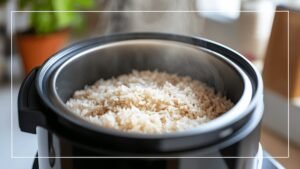
Are you confused about whether a rice cooker is the same as a pressure cooker? You’re not alone.
Many people wonder if these kitchen gadgets do the same job or if they serve different purposes. Understanding the difference can save you time, money, and even improve your cooking results. You’ll discover what sets rice cookers and pressure cookers apart—and which one might be the perfect fit for your kitchen.
Keep reading to clear up the confusion and make smarter choices when buying or using these appliances.
Rice Cooker Basics
Understanding the basics of rice cookers helps you use them better. These kitchen devices simplify cooking rice and save time. They work by controlling heat and cooking duration automatically. Many people wonder if rice cookers are pressure cookers. To answer this, let’s first explore how rice cookers work and the types available.
How Rice Cookers Work
Rice cookers use a heating element under the cooking pot. When you add rice and water, the cooker heats the water to boiling. The water then cooks the rice evenly. A sensor detects when the water is gone or absorbed. It switches the cooker to warm mode to prevent overcooking. This process is simple and safe for daily use.
Types Of Rice Cookers
Basic rice cookers have one button and cook rice quickly. Micom rice cookers use microcomputer technology for precise cooking. They adjust temperature and cooking time automatically. Induction heating rice cookers heat the pot directly with magnetic energy. This method cooks rice more evenly and faster. Pressure rice cookers combine pressure cooking with rice cooking. They use high pressure and steam for faster results. Not all rice cookers are pressure cookers, but some models include this feature.

Credit: www.shop.preethi.in
Pressure Cooker Essentials
Pressure cookers use steam and pressure to cook food fast. They save time and keep flavors strong. Understanding how they work helps you use them safely and well.
Rice cookers and pressure cookers are not the same. Knowing the basics of pressure cookers clears up confusion.
Mechanics Of Pressure Cooking
Pressure cookers trap steam inside a sealed pot. The steam builds pressure and raises the boiling point of water. This cooks food faster than normal pots.
The high pressure forces liquid into food, making it soft. The sealed lid keeps steam and pressure inside. A valve controls the pressure level.
Common Pressure Cooker Features
Pressure cookers have safety locks to prevent opening under pressure. They include pressure release valves to let out steam safely.
Most models offer multiple pressure settings for different foods. Timers and automatic shut-offs add convenience and safety.
Many pressure cookers have sturdy inner pots that distribute heat evenly. Some include non-stick surfaces for easy cleaning.
Comparing Rice Cookers And Pressure Cookers
Rice cookers and pressure cookers are common kitchen tools but work differently. Each device offers unique ways to prepare food. Understanding their differences helps choose the right tool for your cooking needs.
Both appliances save time and effort but use different techniques. Knowing how they operate improves cooking results and safety.
Cooking Methods
Rice cookers use gentle heat to cook rice evenly. They boil water and steam rice until soft. The process is simple and automatic. Pressure cookers use steam pressure to cook food quickly. They trap steam inside a sealed pot. This raises the boiling point and speeds cooking.
Temperature And Pressure Levels
Rice cookers operate near boiling temperature, about 212°F (100°C). They do not increase pressure inside the pot. Pressure cookers reach higher temperatures, usually 240°F (116°C) or more. They use high pressure to cook tough foods fast. This makes them faster than rice cookers.
Safety Mechanisms
Rice cookers have simple safety features. They turn off or switch to “keep warm” after cooking. Pressure cookers have multiple safety valves and locks. These prevent the lid from opening under pressure. They release extra steam to avoid accidents. Safety is a key difference between the two.
:max_bytes(150000):strip_icc()/sea-tier-3-primary-best-rice-cookers-ahuang-151-372092288b0d4326be8cdb952b9e64c7.jpeg)
Credit: www.seriouseats.com
Can Rice Cookers Act As Pressure Cookers?
Many wonder if rice cookers can replace pressure cookers. Both appliances cook food by trapping steam. But their functions and designs differ significantly. Understanding these differences helps in choosing the right tool for your kitchen.
Multi-function Models
Some rice cookers come with pressure cooking features. These multi-function models combine rice cooking and pressure cooking. They have stronger lids and seals to handle pressure safely. Such cookers can prepare beans, stews, and tougher grains quickly. They offer more versatility than standard rice cookers.
Limitations Of Standard Rice Cookers
Standard rice cookers do not build pressure. They cook rice using gentle steam and heat. Their lids are not designed to lock tightly for pressure buildup. This limits cooking speed and the types of food they can prepare. They work well for rice but not for pressure cooking tasks.
Benefits Of Using Pressure Cookers
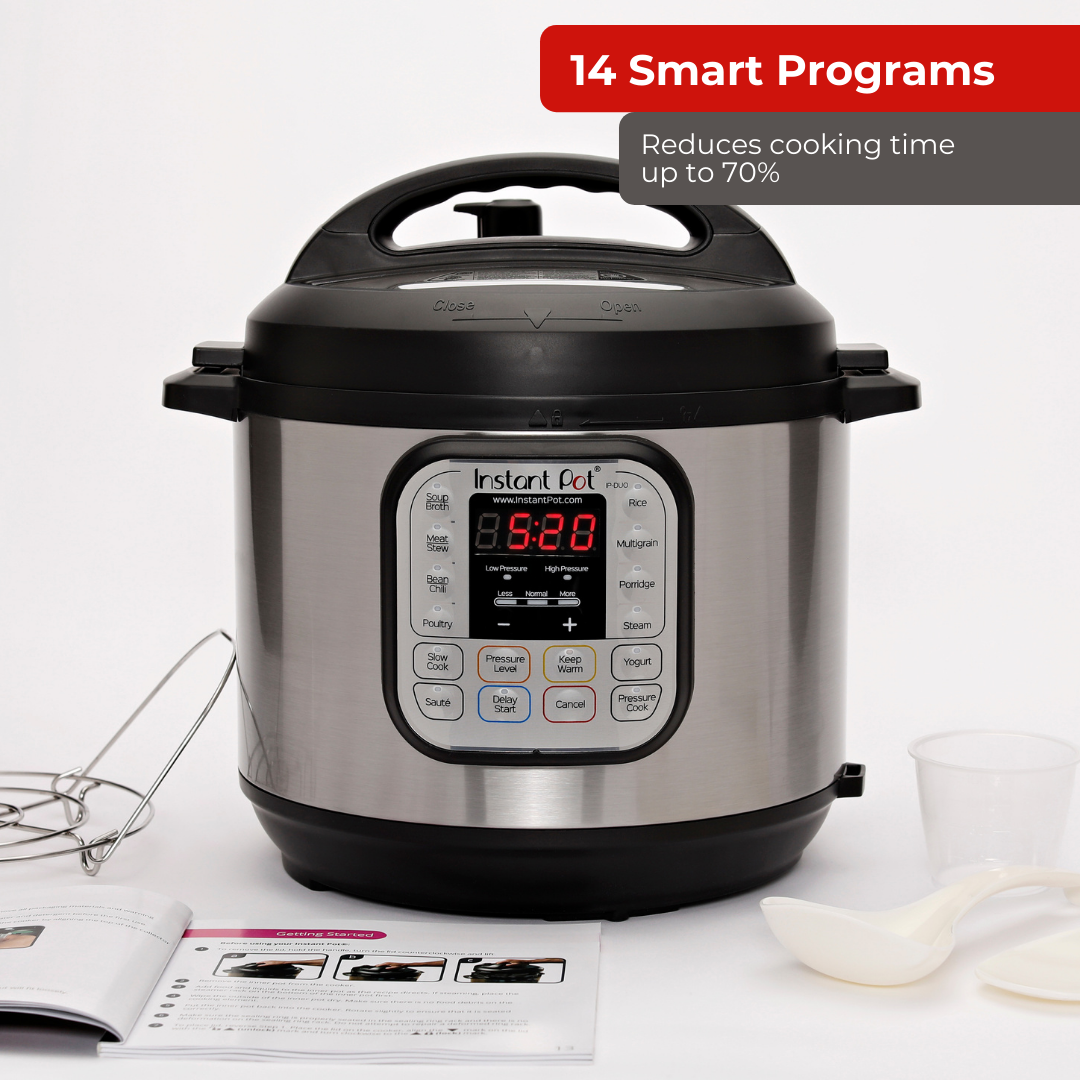
Pressure cookers save time and energy in the kitchen. They cook food faster than regular pots by using high pressure steam. This method keeps flavors and nutrients locked inside. Many people find pressure cookers easy to use and clean.
They are great for busy days or meal prep. Cooking tough foods like beans or meat becomes simple. Pressure cookers also reduce the need for extra oils or fats.
Faster Cooking Times
Pressure cookers cook food quickly by increasing pressure. This high pressure raises the boiling point of water. Food cooks in a shorter time compared to traditional methods. You can prepare meals in less than half the time.
Energy Efficiency
Using less time means less energy used. Pressure cookers save electricity or gas. This makes them eco-friendly and budget-friendly. They keep heat inside, so the kitchen stays cooler.
Better Nutrient Retention
Pressure cooking preserves vitamins and minerals. The sealed environment reduces nutrient loss. Foods keep their color, taste, and texture better. This makes meals healthier and more enjoyable.
Versatility In Cooking
Pressure cookers can cook many types of food. They handle rice, soups, stews, and even desserts. You can cook grains, vegetables, and meats easily. This tool replaces several kitchen appliances.
Easy To Clean
Most pressure cookers have non-stick surfaces. This feature makes cleaning simple and quick. Fewer dishes are needed since cooking is done in one pot. It saves time after cooking.
Credit: www.instantpot.com.ph
When To Choose A Rice Cooker Over A Pressure Cooker
Choosing between a rice cooker and a pressure cooker depends on the food and cooking style. Rice cookers focus on cooking rice perfectly and simply. Pressure cookers handle many foods but need more attention and time to learn. Knowing when to pick a rice cooker helps save effort and get better results.
Easy And Consistent Rice Cooking
Rice cookers make rice cooking simple and reliable. They use the right temperature and time for fluffy rice every time. No need to watch or stir. This suits daily meals and beginners.
Cooking Only Rice Or Grains
Rice cookers work best when cooking rice or similar grains. They handle white rice, brown rice, and even quinoa well. Pressure cookers can cook these but might be too fast or uneven.
Less Fuss And Attention Needed
Rice cookers require less monitoring. You add rice and water, press start, and wait. Pressure cookers need careful timing and pressure control. For simple meals, rice cookers save stress.
Energy Efficiency For Small Meals
Rice cookers use less electricity for small amounts. Pressure cookers use more power to build pressure. Small families or single cooks benefit from rice cookers’ energy use.
Keeping Rice Warm For Hours
Most rice cookers have a warming feature. It keeps rice hot without drying it out. Pressure cookers do not keep food warm after cooking. This feature suits busy schedules.
Tips For Safe And Effective Cooking
Cooking with rice cookers and pressure cookers can be easy and safe. Knowing the right tips helps you use these appliances well. Proper use keeps food tasty and avoids accidents. Follow these tips for safe and effective cooking.
Using Each Appliance Correctly
Rice cookers are made for cooking rice perfectly. Add the right amount of water and rice. Do not overfill the cooker. Pressure cookers cook food fast using steam pressure. Always check the seal and lid before use. Never open the lid while the cooker is under pressure. Use the right setting for your recipe. Follow the manufacturer’s instructions carefully for each appliance.
Maintenance And Care
Clean your rice cooker and pressure cooker after each use. Remove food bits from the lid and seal. Check the rubber gasket for cracks or damage. Replace it if worn out. Store appliances in a dry place. Avoid using harsh cleaners that can damage surfaces. Regular care keeps your appliances working well and safe.
Frequently Asked Questions
Are Rice Cookers Also Pressure Cookers?
No, rice cookers and pressure cookers are different appliances. Rice cookers use steam to cook rice, while pressure cookers use high pressure to cook food faster.
Can A Pressure Cooker Cook Rice Like A Rice Cooker?
Yes, a pressure cooker can cook rice quickly, but it requires careful timing and liquid measurement. Rice cookers are more convenient for perfect rice.
Do Rice Cookers Have Pressure Cooking Functions?
Some advanced rice cookers include pressure cooking features. However, most standard rice cookers do not have pressure cooking capabilities.
Is It Safe To Use Rice Cookers As Pressure Cookers?
No, using a rice cooker as a pressure cooker is unsafe. Rice cookers are not designed to handle high pressure safely.
Conclusion
Rice cookers and pressure cookers serve different purposes in the kitchen. Rice cookers focus on cooking rice perfectly with little effort. Pressure cookers use high pressure to cook food faster and can handle many dishes. Knowing their differences helps you choose the right tool.
Both can make cooking easier but are not the same. Use each for its best purpose to save time and effort. Simple tools, clear uses. That’s the key.
As an Amazon Associate, I earn from qualifying purchases.