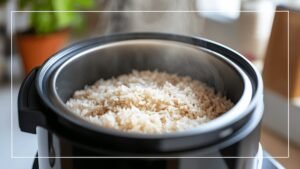
Are you worried that your rice cooker might be harming your health? You’re not alone.
Many people wonder if the materials used in rice cookers could release toxic chemicals into their food. This concern is real, and it’s important to know the facts before you trust your kitchen appliance. You’ll discover what makes some rice cookers potentially unsafe, how to spot harmful products, and simple steps you can take to keep your meals healthy and safe.
Keep reading to protect yourself and your family from hidden risks you might not even know about.

Credit: www.reddit.com
Health Risks Of Rice Cookers
Rice cookers are common in many kitchens. They save time and make cooking easier. But some worry about health risks from using them. Understanding these risks helps you use rice cookers safely.
Chemical Coatings And Their Impact
Many rice cookers have pots with chemical coatings. These coatings help prevent food from sticking. Some coatings contain harmful chemicals. Over time, heat can break down these chemicals. This may release toxins into your food. Using damaged or old pots increases this risk.
Potential For Lead And Heavy Metal Exposure
Certain rice cooker parts may contain lead or heavy metals. This happens especially in cheaper models. These metals can leach into food during cooking. Regular exposure to heavy metals can harm your health. Always check if your rice cooker meets safety standards. Choose products tested for heavy metal content.
Risks From Non-stick Surfaces
Non-stick surfaces make cooking easier but can be risky. Some non-stick materials release toxic fumes when overheated. These fumes can cause health problems if inhaled often. Avoid heating empty pots or using high temperatures. Replace pots if the non-stick surface peels or scratches.
Common Materials Used In Rice Cookers
Rice cookers use different materials in their construction. These materials affect safety, durability, and cooking performance. Understanding these materials helps you choose a safer rice cooker.
Some materials may cause health concerns, while others are safer. Let’s explore the common materials used in rice cookers.
Aluminum And Its Safety Concerns
Aluminum is a lightweight metal often used in older rice cookers. It heats quickly and evenly. But aluminum can react with acidic foods and release small amounts of metal.
High exposure to aluminum may cause health risks. Most modern rice cookers avoid using pure aluminum pots. They use coated or layered materials instead.
Stainless Steel Vs. Non-stick Pots
Stainless steel pots are strong and resistant to rust. They do not release harmful chemicals during cooking. Stainless steel is easy to clean but may have hot spots.
Non-stick pots have a coating to prevent food from sticking. They make cleaning easier and use less oil. Some non-stick coatings can release toxic fumes if overheated.
Look for non-stick pots made with safe coatings like ceramic or Teflon without PFOA.
Plastic Components And Bpa
Rice cookers have plastic parts like lids and handles. Some plastics may contain BPA, a chemical linked to health problems.
Many brands now use BPA-free plastics to reduce risks. Still, avoid exposing plastic parts to high heat or damage.
Choosing rice cookers with BPA-free labels ensures safer use.
How Rice Cookers Affect Food Safety
Rice cookers are common in many kitchens worldwide. They make cooking rice easy and fast. But how do they affect food safety? This section explores important points about rice cookers and food safety. It helps understand risks and how to keep meals safe.
Arsenic Levels In Cooked Rice
Rice naturally contains some arsenic, a toxic element. Cooking rice in a rice cooker may not reduce arsenic much. Using excess water and draining it lowers arsenic more effectively. Some rice cookers do not allow this method. Choosing cooking methods that reduce arsenic is safer for health.
Bacterial Growth And Cleaning Issues
Rice cookers can create moist environments. This can encourage bacteria if not cleaned properly. Leftover rice should not stay inside the cooker for long. Clean the cooker bowl and lid after every use. Proper cleaning stops bacteria and mold growth.
Temperature And Cooking Time Effects
Rice cookers cook rice at high temperatures. This kills most harmful bacteria during cooking. The cooking time is important to ensure rice is safe. Undercooked rice may have bacteria that can cause illness. Always use the cooker as instructed to ensure safety.

Credit: www.youtube.com
Regulations And Safety Standards
Rice cookers are common in many homes. Safety matters a lot for these kitchen devices. Regulations and standards help keep consumers safe. They make sure rice cookers do not release harmful chemicals. These rules vary by country but share common goals.
Manufacturers must follow strict guidelines. These rules test materials and designs. They focus on reducing toxic risks. Understanding these standards helps buyers choose safe products.
International Safety Certifications
Many rice cookers have safety certifications. These certificates show the product meets global rules. Examples include UL, CE, and FCC marks. They confirm the cooker passed safety and quality tests. Certified products often have less risk of toxicity.
Certifications vary by region but focus on electrical safety and materials. Checking for these marks is a smart step before buying.
Testing Methods For Toxicity
Rice cookers undergo tests to check for toxic substances. Tests look for chemicals like BPA and heavy metals. Laboratories use heat, pressure, and chemical analysis. They check if harmful elements leach into food. Only products passing these tests get safety approval.
Regular testing ensures ongoing product safety. It reduces risks of poisoning and health problems.
Consumer Protection Measures
Governments protect consumers through strict laws. They require clear labeling on rice cookers. Labels include material info and safety warnings. Consumers can report unsafe products to authorities. Authorities recall or ban harmful items quickly.
Consumer education helps people understand risks and safety tips. These measures reduce health hazards from rice cookers.
Choosing A Safe Rice Cooker
Choosing a safe rice cooker is important for health and peace of mind. Some rice cookers contain materials that may release harmful chemicals. Knowing what to avoid and what to seek helps you pick a reliable and safe appliance. This guide highlights key points to consider while selecting a rice cooker.
Materials To Avoid
Avoid rice cookers with non-stick coatings containing PFOA or PTFE. These chemicals can release toxic fumes when heated. Stay clear of cheap plastics in the inner pot or lid. Metal parts should be stainless steel, not aluminum. Aluminum can react with food and cause contamination.
Features That Enhance Safety
Look for rice cookers with a thick, hard-anodized aluminum or ceramic inner pot. These materials heat evenly and avoid harmful chemicals. A tight-fitting lid helps prevent steam leaks and keeps food safe. Automatic shut-off and keep-warm functions prevent overheating and burning. Some models have BPA-free lids and handles to reduce chemical exposure.
Brands Known For Quality
Choose brands with strong reputations for safety and durability. Brands that offer ceramic or stainless steel inner pots are safer. Check if the brand follows strict safety standards and uses non-toxic materials. Reading reviews helps spot reliable models that last longer and cook safely. Trusted brands give assurance of product quality and health safety.

Credit: www.youtube.com
Maintenance Tips To Reduce Risks
Proper maintenance of your rice cooker helps keep it safe and durable. Simple care steps reduce risks of damage and toxic buildup. Follow these tips to enjoy your rice cooker for years without worry.
Proper Cleaning Techniques
Clean the rice cooker after every use. Use a soft cloth and warm soapy water for the inner pot. Avoid abrasive cleaners that can scratch the surface. Wipe the heating element gently with a dry cloth. Never immerse the entire cooker in water. Let all parts dry completely before reassembling.
Avoiding Scratches And Damage
Use only plastic or wooden utensils inside the cooker. Metal tools can damage the non-stick coating. Scratches can release harmful chemicals during cooking. Handle the inner pot carefully to prevent dents. Avoid dropping or banging the cooker to keep it intact.
Storage And Usage Best Practices
Store the rice cooker in a dry, cool place. Keep it away from direct sunlight and moisture. Always unplug the cooker when not in use. Allow it to cool before cleaning or storing. Follow the manufacturer’s instructions for safe use. Proper care extends the life of your appliance.
Frequently Asked Questions
Are Rice Cookers Safe To Use Daily?
Yes, rice cookers are safe for daily use when used as directed. Most models are made with non-toxic materials and undergo safety testing to prevent harmful chemical exposure.
Can Rice Cookers Release Harmful Chemicals?
Modern rice cookers rarely release harmful chemicals. High-quality models use BPA-free plastic and food-grade coatings that minimize toxic risks during cooking.
Do Rice Cookers Contain Toxic Materials?
Most rice cookers do not contain toxic materials. Reputable brands use safe, food-grade metals and coatings that comply with health standards.
How To Avoid Toxins From Rice Cookers?
Choose BPA-free, stainless steel, or ceramic rice cookers. Avoid scratched or damaged non-stick coatings to reduce toxin exposure.
Conclusion
Rice cookers are generally safe when used properly. Choose models made with non-toxic materials. Avoid overheating or using damaged cookers. Clean your rice cooker regularly to prevent buildup. Small risks exist but are rare. Using your cooker as the instructions say keeps you safe.
Enjoy cooked rice without worry. Simple care and smart choices protect your health. Rice cookers help make cooking easier and quicker. Stay informed and use your device wisely.
As an Amazon Associate, I earn from qualifying purchases.