Dealing With Construction Dust Indoors
If you’ve ever been around a construction site or done some home renovation, you know how persistent and fine construction dust can be. It lingers in the air and settles on surfaces, making it tough to keep your indoor air clean and healthy.
Choosing an air purifier for construction dust isn’t straightforward. You need a device that handles very fine particles without being too noisy or expensive. At the same time, there are trade-offs between coverage area, filtration technology, and ease of use that can make the decision feel overwhelming.
This guide aims to help you understand what really matters when picking an air purifier for construction dust. We’ll focus on practical considerations so you can find a model that fits your space and needs without unnecessary complexity.
What Matters Most For Construction Dust Air Purifiers
Not all air purifiers are built the same, especially when it comes to filtering construction dust. The key factors to consider include the purifier’s ability to capture fine dust particles, coverage area, and how quietly it runs—since you might want it on for long periods.
It’s also important to think about filter maintenance and replacement costs. Some models come with specialized filters that target dust and other pollutants, while others offer broader filtration but at a higher price. Deciding what features you really need can save both money and effort.
Common Mistakes To Avoid
Many people assume that a bigger or more expensive purifier is automatically better for construction dust. But that isn’t always true. Sometimes, a purifier with smart filtration technology and the right coverage for your room size will perform better than a high-powered unit that’s too large or too noisy.
Another common error is neglecting filter compatibility and availability. Using off-brand filters or ignoring replacement schedules can reduce effectiveness and even damage the device.
How To Approach Your Decision
Focus first on the size of the space you want to purify and the intensity of dust exposure. Then consider noise levels and filter types that fit your lifestyle and budget. Understanding these basics will help you narrow down options to models that provide real value without unnecessary extras.
Below, you’ll find a carefully selected group of air purifiers suited to handling construction dust in various settings and budgets. Each has been chosen for its balance of performance, reliability, and user experience to support your decision-making.
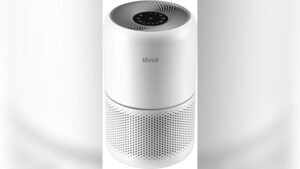
Levoit Core 300 Air Purifier
The LEVOIT Core 300 Air Purifier stands out as the Best Air Purifier for Construction Dust by delivering verified dust removal for large rooms up to 1,073 ft².

The LEVOIT Core 300 Air Purifier is designed to improve indoor air quality by efficiently removing dust, smoke, odors, and allergens in medium to large rooms. It features a 3-in-1 HEPA-grade filter and a powerful 56W motor that provides a clean air delivery rate (CADR) ideal for spaces up to 1,073 square feet.
Using this purifier in your home or workspace feels straightforward and reliable, with a compact design that fits well in bedrooms or offices. The AHAM VERIFIDE certification offers confidence in its proven dust and pollen removal performance, while the sleep mode ensures quiet operation during nighttime.
Key Benefits for Dust Removal
- Verified dust CADR of 153 CFM ensures effective construction dust removal.
- Clean rooms up to 1,073 ft², suitable for large spaces.
- AHAM VERIFIDE certification guarantees tested and reliable performance.
- 3-in-1 HEPA filter captures fine dust, smoke, and odors efficiently.
- Sleep mode allows quiet operation without sacrificing air quality.
- Compact and lightweight design for easy placement and portability.
- Compatible with genuine replacement filters for sustained effectiveness.
Considerations Before Buying
- Limited color choice available (White only).
- Weight of nearly 8 pounds may be heavy for some to move frequently.
- Only one pack size offered (Core 300 1Pack), no multi-pack options.
Why This Works Well for Construction Dust
This purifier is best suited for individuals needing to reduce airborne construction dust in larger rooms, such as home renovation areas or workshops. It removes common irritants including dust, smoke, and odor, reducing allergy symptoms and improving breathing comfort.
Using genuine Levoit replacement filters ensures consistent performance and longer filter life, avoiding the guesswork of generic alternatives. The AHAM certification provides peace of mind about the purifier’s tested efficiency and safety.
For optimal results, place the unit centrally in the room and run it continuously during and after construction work to maintain cleaner air with fewer dust particles.
| Best for | Why |
|---|---|
| Large rooms up to 1,073 ft² | High CADR rating ensures effective dust removal in spacious areas |
| Allergy sufferers | HEPA-grade filter captures fine particles including pollen and pet hair |
| Home offices and bedrooms | Compact size and quiet sleep mode fit well in personal spaces |
| Users wanting verified performance | AHAM VERIFIDE certification confirms tested air cleaning results |
Blueair Blue Pure 211i Max
The BLUEAIR Blue Pure 211i Max stands out as the Best Air Purifier for Construction Dust, efficiently cleaning large spaces with quiet, fast filtration.
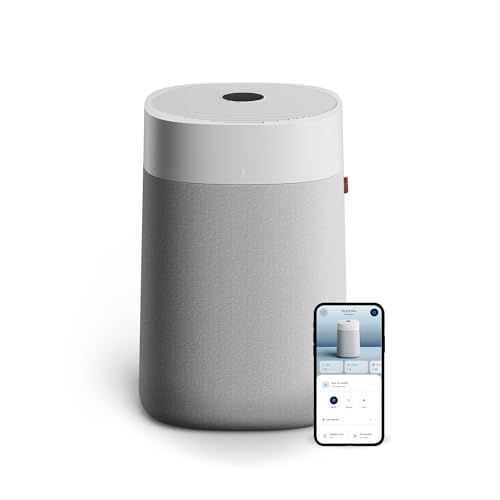
The BLUEAIR Blue Pure 211i Max is a large-room air purifier designed to tackle airborne particles like construction dust, allergens, and smoke. Its HEPASilent dual filtration technology combines HEPA and electrostatic filters to remove 99.97% of particles down to 0.1 microns, providing cleaner air faster and quieter than traditional HEPA filters.
Using this purifier feels effortless and reliable, especially in spaces up to 3,048 square feet. The quiet operation and smart app controls allow for easy scheduling and monitoring, letting you focus on your work or relaxation without distractions or constant adjustments.
Key Advantages for Large Space Air Cleaning
- Efficiently cleans very large rooms up to 3,048 sqft within an hour
- Quiet operation certified between 23-53dB minimizes noise disruption
- Removes viruses, smoke, pet dander, pollen, mold, and dust effectively
- Smart app allows scheduling, air quality monitoring, and voice control
- Carbon filter traps light household odors beyond dust particles
- HEPASilent technology delivers faster cleaning with less energy use
- Long-lasting filters tracked for 6–9 months via app notifications
Considerations Before Buying
- Large size and weight (over 22 pounds) may limit portability
- Higher initial price compared to smaller or basic air purifiers
- Requires smartphone and app use to access full smart features
Who This Air Purifier Suits Best
This model is ideal for homeowners or professionals dealing with heavy construction dust in large indoor areas. It removes the hassle of frequent cleaning and the worry of poor air quality affecting health or comfort.
To maximize results, place the unit centrally in the room and use the app’s scheduling to run it continuously during dust-generating activities. This approach ensures consistent air quality and peace of mind without constant manual intervention.
Its quiet performance means it fits well in both work and living spaces, offering steady, reliable filtration with minimal distraction.
| Best for | Why |
|---|---|
| Large rooms or open floor plans | Capable of cleaning over 3,000 sqft quickly and quietly |
| Construction sites or renovation areas | Effectively removes fine construction dust and airborne particles |
| Users needing smart home integration | Includes app scheduling and Alexa voice control for ease of use |
| Homes with pets and allergies | Captures pet dander, pollen, mold, and reduces odors |
Puroair 240 Hepa Air Purifier
The PuroAir 240 HEPA Air Purifier stands out as the best air purifier for construction dust by effectively filtering up to 99.9% of dust particles in large rooms.

The PuroAir 240 HEPA Air Purifier is designed to clean large spaces up to 1,000 square feet, making it ideal for managing airborne construction dust and pollutants. Its three-layer filtration system captures dust, pollen, smoke, and other fine particles, ensuring cleaner air in your home or workspace.
Using this purifier is straightforward and quiet, with a smart sensor that adjusts power based on air quality. It runs continuously without disturbing your daily activities, providing peace of mind and consistently fresh air around the clock.
Key Advantages for Dust Control
- Filters up to 99.9% of dust and pollutants with a 3-layer system
- Effective coverage for rooms up to 1,000 square feet
- Quiet operation with a sleep mode for undisturbed rest
- Smart particle sensor for automatic power adjustment
- Certified by CARB, ETL, ISO, and UL for safety and performance
- Lightweight and compact design for easy placement
- Backed by a 2-year risk-free warranty
Considerations Before Buying
- Best suited for indoor use in large rooms, not outdoor or industrial sites
- Filter replacements will be needed over time to maintain efficiency
- May not capture very large debris or heavy construction particles
Who Benefits Most from This Purifier
This air purifier is ideal for homeowners and workers dealing with construction dust in living areas or workspaces up to 1,000 sq ft. It removes much of the guesswork and worry about indoor air quality during or after renovations.
To maximize its effectiveness, place it centrally in the room and run it continuously during dusty projects. Its quiet operation and smart sensor reduce hassle while providing dependable air cleaning.
For anyone prioritizing a reliable, easy-to-use purifier with proven filtration, the PuroAir 240 offers an excellent balance of performance and peace of mind.
| Best for | Why |
|---|---|
| Large rooms up to 1,000 sq ft | Effective coverage ensures thorough dust removal in spacious areas |
| Homes undergoing renovation | Captures fine construction dust and common pollutants to improve air quality |
| Bedroom use | Sleep mode and quiet operation maintain comfort during rest |
| Allergy sufferers | Filters pollen, pet dander, and VOCs alongside dust for comprehensive relief |
Understanding Air Purifier Coverage And Room Size
One of the key factors to consider is the size of the room where the air purifier will be used. Models vary widely in coverage, from around 1,000 square feet to over 3,000 square feet. Choosing a purifier that matches your room size ensures efficient air cleaning without overworking the device.
For larger spaces, higher CADR (Clean Air Delivery Rate) and more powerful motors are essential to maintain air quality effectively. Smaller units are better suited for bedrooms or offices but may not handle large living areas.
Filtration Technology And Air Quality Needs
Most air purifiers use HEPA filters, which capture fine particles like pollen, dust, and pet dander. Some models also include activated carbon filters to absorb odors and volatile organic compounds (VOCs).
Consider your specific air quality concerns. If allergies or pet hair are primary issues, a HEPA filter with pet-specific options might be best. For smoke or chemical odors, look for purifiers that include toxin or smoke-specific filters.
Noise Levels And Operation Modes
Noise can impact the comfort of using an air purifier, especially in bedrooms or workspaces. Many purifiers offer sleep or quiet modes that reduce noise output significantly.
Check the decibel ratings if available, and consider models with smart sensors that adjust fan speed automatically based on air quality, balancing noise and performance.
Maintenance And Filter Replacement
Regular maintenance is important to keep your air purifier functioning well. Filters need to be replaced according to the manufacturer’s recommendations, which varies by model and usage.
Using genuine replacement filters ensures optimal performance and protects the device. Some brands offer multiple filter options tailored to different pollutants, allowing customization to your needs.
Energy Use And Operating Costs
Consider the power consumption of the air purifier, especially if you plan to run it continuously. Lower wattage models may be more energy-efficient but could have limited coverage.
Balancing energy use with filtration efficiency and room size will help manage ongoing operating costs.
Frequently Asked Questions
How often should I replace the air purifier filter?
Filter replacement varies, typically every 6 to 12 months depending on usage and air quality. Some purifiers have indicators to alert you when a change is needed.
Can an air purifier remove viruses and bacteria?
HEPA filters capture many airborne particles, including some bacteria and viruses. However, no air purifier can guarantee complete removal of all pathogens.
Is it safe to run an air purifier all day?
Yes, most air purifiers are designed for continuous operation. Using sleep or low modes can reduce noise and energy consumption during extended use.
Do air purifiers help with odors?
Models with activated carbon or specialized toxin filters can reduce common household odors from pets, cooking, or smoke.
What is the difference between HEPA and HEPASilent technology?
HEPA filters trap particles mechanically, while HEPASilent combines mechanical and electrostatic filtration for quieter and faster air cleaning.
Final Considerations
Choosing the right air purifier depends on your specific environment and needs. Focus on matching the purifier’s coverage to your space, considering filter types that target your main concerns, and balancing noise and energy use.
Understanding these factors will help you select a device that maintains cleaner air effectively and fits into your daily routine with ease.
As an Amazon Associate, I earn from qualifying purchases.