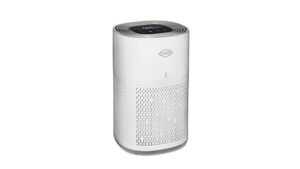
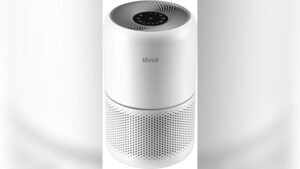
Finding The Right Air Purifier For Vocs Can Be Tricky
Many of us have noticed that indoor air can feel stuffy or carry unpleasant odors, especially in newer homes or spaces with lots of synthetic materials. Volatile Organic Compounds (VOCs) are often the unseen culprits behind this, and choosing an air purifier to tackle them is not always straightforward.
The market offers many options with various features, but the differences can be subtle. Some units focus on coverage area, others on filter types or noise levels. Balancing these factors without clear guidance can make the decision feel overwhelming.
This article will help you understand what matters most when selecting an air purifier for VOCs. It aims to simplify the choices and clarify the key points to consider before you dive into specific models.
What Should You Really Look For In An Air Purifier For Vocs?
Not all air purifiers handle VOCs equally. The right device should effectively reduce these gases while also managing common indoor pollutants like dust and pollen. Consider how large your space is, how sensitive you are to odors or allergens, and whether you need quiet operation for bedrooms or offices.
Price is another factor. Higher-end models might offer more advanced filtration and larger coverage, but that doesn’t always mean better results for your specific needs. Understanding your priorities helps avoid overspending on features that don’t add value for you.
Common Missteps To Avoid
One common mistake is focusing too much on technical specs or filter types without thinking about real-world use. For example, a powerful filter is helpful only if the purifier is sized correctly for your room. Another pitfall is underestimating noise levels, which can affect how often you actually use the device.
Also, some buyers assume all air purifiers remove VOCs effectively, but many are designed mainly for particles like dust and allergens. It’s important to check that the purifier includes activated carbon or similar technology to target VOCs specifically.
Keep these points in mind to make a more informed choice that fits your lifestyle and air quality goals.
Below, you’ll find a selection of air purifiers chosen based on their ability to address VOCs and common indoor pollutants. Each option suits different room sizes and preferences, helping you find the best fit without confusion.
Puroair 400 Hepa Air Purifier
Among the Best Air Purifiers for Vocs, the PuroAir 400 effectively cleans large rooms up to 2,000 sq ft, removing up to 99.9% of pollutants including VOCs.

The PuroAir 400 HEPA Air Purifier is designed for large home rooms, covering up to 2,000 square feet to reduce airborne pollutants like smoke, pollen, dust, and VOCs. Its 3-layer filtration system includes a pre-filter, HEPA filter, and activated carbon to effectively clean the air you breathe.
Using it feels effortless as it operates quietly and continuously, adjusting its power based on air quality. This makes it ideal for bedrooms and living spaces, allowing you to maintain fresh air without distraction or constant adjustments.
Key Advantages for Indoor Air Quality
- Filters up to 99.9% of common household pollutants including VOCs.
- Large coverage area suitable for rooms up to 2,000 sq ft.
- 3-stage filtration with HEPA and activated carbon for thorough cleaning.
- Quiet operation with sleep mode for nighttime use.
- Smart sensor adjusts filtration power automatically based on air quality.
- Certified by CARB, ETL, ISO, and UL for performance and safety.
- Backed by a 2-year risk-free warranty and customer support based in the US.
Considerations Before Buying
- Relatively heavy at nearly 15 pounds, may require a stable spot.
- Priced at a premium level, reflecting its size and filtration capabilities.
- Not a Prime-eligible product and limited merchant ratings available.
Who This Air Purifier Suits Best
This air purifier is well suited for those with large living spaces or open-plan homes who want consistent removal of VOCs and allergens without constant monitoring. It takes the guesswork out of air quality management thanks to its smart sensor and quiet operation.
To get the best results, place it centrally in the room for even air circulation and allow it to run continuously for ongoing protection. Its reliable performance and certifications provide peace of mind for those sensitive to indoor pollutants.
Overall, it’s a solid choice for anyone prioritizing clean air in large rooms with minimal hassle.
| Best for | Why |
|---|---|
| Large rooms up to 2,000 sq ft | High air volume coverage supports big living areas or open spaces. |
| Removing VOCs and chemical odors | Activated carbon filter targets volatile organic compounds effectively. |
| Nighttime use in bedrooms | Quiet sleep mode allows undisturbed rest while purifying air. |
| Users seeking low-maintenance operation | Automatic sensor adjusts fan speed based on detected air quality. |
Choosing The Right Air Purifier For Your Home
Consider Room Size and Coverage
Match the purifier’s coverage area to the size of the room where you plan to use it. A unit designed for large rooms will be more effective in open spaces or combined living areas.
Evaluate Filtration Needs
Think about the specific pollutants you want to remove, such as allergens, smoke, or chemical odors. Multi-layer filtration systems combining HEPA and activated carbon filters tend to address a wider range of contaminants.
Noise Levels and Usage Patterns
If you plan to run the purifier continuously or in a bedroom, look for models with quiet operation modes or sleep settings to avoid disturbance.
Maintenance and Filter Replacement
Check how often filters need replacing and the ease of doing so. Consider the availability and cost of replacement filters to ensure long-term usability.
Common Misunderstandings About Air Purifiers
Air Purifiers Replace Ventilation
Air purifiers improve indoor air quality but do not replace the need for proper ventilation. Regularly airing out your space is still important.
All Filters Are the Same
Not all filters capture the same particles. True HEPA filters remove at least 99.97% of particles down to 0.3 microns, while others might be less effective.
Instant Results Are Guaranteed
It can take time for an air purifier to noticeably improve air quality depending on room size and pollution levels.
Maintenance Tips To Keep Your Air Purifier Effective
- Regularly check and replace filters according to the manufacturer’s schedule.
- Keep the intake and outlet vents clear of dust and obstructions.
- Clean the exterior with a dry or slightly damp cloth to prevent dust buildup.
- Place the unit where air can circulate freely around it, avoiding corners or behind furniture.
Who Might Not Benefit From Using An Air Purifier
If you have no indoor air quality concerns, such as allergies or exposure to pollutants, an air purifier might not provide noticeable benefits. Also, if you cannot maintain or replace filters regularly, the device’s effectiveness will decline.
Frequently Asked Questions
How often should I replace the HEPA filter?
Filter replacement depends on usage and air quality but typically ranges from every 6 to 12 months.
Can air purifiers remove viruses and bacteria?
HEPA filters can capture many airborne particles, including some viruses and bacteria, but they are not a guarantee against infection.
Is it safe to run an air purifier all day?
Yes, most models are designed for continuous operation and include safety features for 24/7 use.
Will an air purifier help with pet odors?
Models with activated carbon filters can reduce pet odors by absorbing volatile organic compounds.
Where is the best place to put my air purifier?
Place it centrally in the room, away from walls and furniture, to maximize airflow and filtration efficiency.
Final Thoughts
Choosing an air purifier involves balancing your specific needs, room size, and maintenance commitment. Understanding how these devices work and what to expect can help you make an informed decision that supports better indoor air quality over time.
As an Amazon Associate, I earn from qualifying purchases.