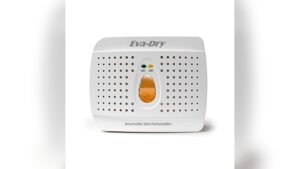
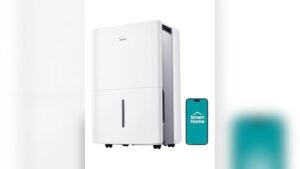
Are you worried about mold creeping into your home? You might have heard that using a dehumidifier can solve the problem.
But can a dehumidifier actually kill mold, or does it just slow it down? Understanding how mold grows and what really stops it is key to protecting your space and health. Keep reading to discover the truth about dehumidifiers and mold, and learn what you can do right now to keep your home safe and fresh.
How Mold Grows Indoors
Mold grows inside homes when tiny spores find the right place to settle. These spores float in the air and land on damp surfaces. Moisture is the key factor that allows mold to start growing. Without water, mold cannot develop or spread.
Understanding how mold grows helps control it better. Knowing the types of mold and the conditions they need is important. This knowledge helps prevent mold problems and keeps indoor air healthy.
Common Mold Types
Several mold types appear indoors. Cladosporium is common and grows on fabrics and wood. Penicillium appears on wet materials like wallpaper and carpet. Aspergillus grows on dust and stored items. Stachybotrys, also called black mold, grows on damp walls and ceilings. Each type needs moisture to thrive.
Conditions Favoring Mold Growth
Mold needs moisture, warmth, and food to grow. High humidity above 60% creates a perfect environment. Leaks, spills, and poor ventilation increase moisture levels. Mold grows faster in warm places, usually between 77°F and 86°F (25°C to 30°C). It feeds on materials like wood, paper, and fabric. Dark and damp spots are common mold hideouts.
Role Of Humidity In Mold Development
Humidity plays a key role in mold growth. Mold spores are everywhere, but they need moisture to grow. High humidity creates the perfect environment for mold to thrive. Controlling humidity can help prevent mold problems. Understanding ideal humidity levels and the effects of too much moisture is important.
Ideal Humidity Levels
Keeping indoor humidity between 30% and 50% stops mold growth. This range is low enough to prevent dampness. It also keeps air comfortable and healthy. Use a hygrometer to check humidity levels regularly. Proper ventilation helps keep humidity in this ideal range.
Effects Of Excess Moisture
When humidity rises above 60%, mold spores start to grow quickly. Excess moisture can come from leaks, cooking, or drying clothes indoors. Wet surfaces and damp air feed mold colonies. Mold damages walls, floors, and furniture. It can cause allergies and breathing problems. Reducing moisture is the first step to stop mold.
Dehumidifiers And Mold Prevention
Mold grows in damp places. It needs moisture to survive and spread. Dehumidifiers help by lowering the moisture in the air. This makes the environment less friendly for mold. Using a dehumidifier can stop mold from growing and spreading in your home.
Dehumidifiers are useful tools for keeping your space dry and clean. They do not kill mold directly. Instead, they stop mold from getting the moisture it needs to live. This helps protect your home and your health.
How Dehumidifiers Work
Dehumidifiers pull in moist air from the room. Inside, the air cools down. This causes water to form and collect in a tank. The dry air then goes back into the room. This process lowers the overall humidity level.
By reducing humidity, dehumidifiers make it harder for mold to grow. They keep indoor air dry and comfortable. This helps prevent mold problems before they start.
Reducing Moisture With Dehumidifiers
Moisture comes from many places, like cooking, showers, and leaks. Dehumidifiers remove this extra moisture from the air. This keeps the humidity at a safe level, usually below 60%.
Lower humidity means less chance for mold to develop. Dehumidifiers work best in basements, bathrooms, and other damp areas. Using them regularly helps keep your home healthier and mold-free.

Credit: www.youtube.com
Limitations Of Dehumidifiers Against Mold
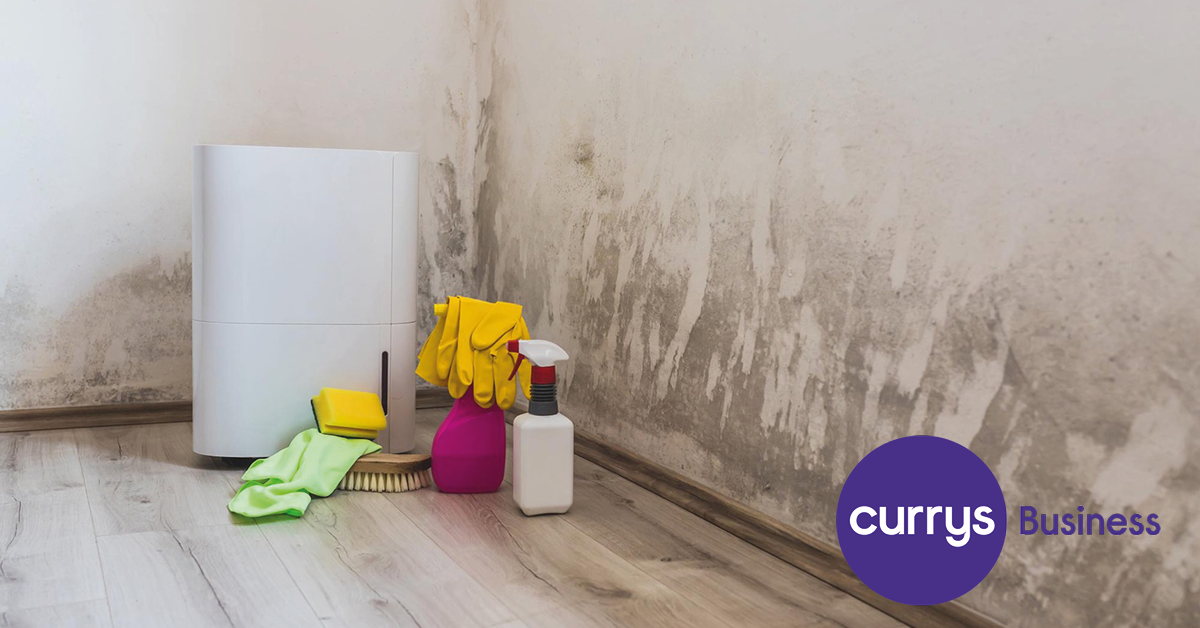
Dehumidifiers help reduce moisture in the air. They lower humidity levels to prevent mold growth. But they cannot kill mold already present. Understanding their limits is important for effective mold control.
Using a dehumidifier alone may not solve mold problems. Mold needs to be removed properly to keep your home safe. Let’s explore why dehumidifiers have these limits and when mold removal is needed.
Why Dehumidifiers Don’t Kill Mold
Dehumidifiers reduce moisture but do not affect mold spores directly. Mold lives on surfaces like walls, floors, and ceilings. A dehumidifier cannot clean or remove mold from these areas.
Lower humidity slows mold growth but does not eliminate existing colonies. Mold can survive in damp spots even with dry air. Cleaning or professional removal is needed to get rid of mold.
When Mold Removal Is Necessary
Visible mold or strong musty smells mean mold is present. You must remove it to protect health and property. Small mold patches can be cleaned with special solutions.
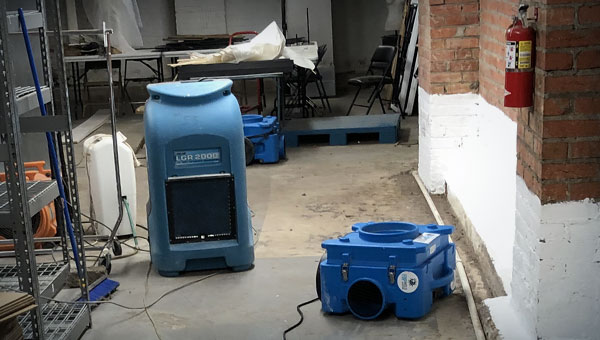
Large or hidden mold requires professional removal. They use special tools and treatments to stop mold safely. Dehumidifiers help prevent mold return after removal.
Effective Mold Control Strategies
Effective mold control requires more than just a dehumidifier. It involves several strategies working together. These methods reduce moisture and prevent mold growth. Proper care and attention keep your home safe and clean.
Proper Ventilation Techniques
Good airflow stops mold from growing. Open windows to let fresh air in. Use exhaust fans in kitchens and bathrooms. These fans remove moist air quickly. Keep vents clear and unblocked. Ventilation lowers indoor humidity. It creates a dry environment mold dislikes.
Regular Cleaning And Maintenance
Cleaning removes mold spores from surfaces. Use soap and water for walls and floors. Check hidden areas like under sinks and behind appliances. Fix leaks in pipes and roofs fast. Damp spots attract mold. Clean air filters in air conditioners often. This keeps air fresh and dry.
Using Mold-resistant Materials
Choose mold-resistant paint for walls. Use drywall designed to resist moisture. Flooring materials like vinyl or tile work better than carpet. These materials do not hold water. They reduce the chance of mold growth. Building with mold-resistant products helps keep homes healthier.
Credit: www.fdpmoldremediation.com
Choosing The Right Dehumidifier
Choosing the right dehumidifier plays a big role in controlling mold growth. A good dehumidifier reduces moisture in the air, making the space less friendly for mold. Picking the proper unit helps keep your home dry and healthy. Focus on key features to find the best fit for your needs.
Capacity And Size Considerations
Dehumidifier capacity shows how much moisture it can remove each day. Small rooms need less capacity, while large spaces require bigger units. Measure the room size before buying. A unit too small will not control moisture well. A too-large unit uses extra energy and costs more.
Consider where you will place the dehumidifier. It should fit well and allow air circulation. Portable models work for many rooms, but whole-house units serve better for large areas. Match capacity and size to your room for best results.
Energy Efficiency Factors
Energy efficiency affects how much electricity the dehumidifier uses. Efficient models save money and reduce environmental impact. Look for Energy Star ratings or similar certifications. These units use less power while running effectively.
Check the energy consumption listed on the label. Lower wattage means less electricity use. Choose a model with an automatic shut-off or humidity sensor. These features stop the unit when the air is dry enough. This saves energy and prolongs the device life.
Additional Tools For Mold Management
Controlling mold needs more than just a dehumidifier. Several tools help improve air quality and reduce moisture. These tools work well alongside a dehumidifier. They catch mold spores and stop moisture buildup early. This reduces mold growth in your home.
Air Purifiers
Air purifiers trap mold spores from the air. They use filters to clean dust, pollen, and spores. This stops spores from spreading and growing on surfaces. HEPA filters are best for catching tiny particles. Running an air purifier helps keep air fresh and safe.
Moisture Sensors
Moisture sensors detect dampness in walls and floors. They alert you to wet spots before mold appears. Some sensors send data to your phone or system. This helps you act fast to dry the area. Using sensors prevents mold by controlling moisture early.
Credit: www.nrla.org.uk
Frequently Asked Questions
Can A Dehumidifier Completely Kill Mold?
No, a dehumidifier cannot completely kill mold. It reduces moisture, which limits mold growth but does not eliminate mold spores. Proper cleaning and mold removal are necessary to fully eradicate mold from surfaces.
How Does A Dehumidifier Help Prevent Mold Growth?
A dehumidifier lowers indoor humidity levels, making the environment less favorable for mold. Mold thrives in damp conditions, so controlling moisture helps prevent new mold from forming and spreading.
Is A Dehumidifier Enough To Remove Existing Mold?
No, a dehumidifier alone cannot remove existing mold. It controls moisture but mold removal requires cleaning with mold-specific products or professional treatment to ensure complete elimination.
What Humidity Level Prevents Mold Growth Indoors?
Keeping indoor humidity below 50% helps prevent mold growth. Dehumidifiers help maintain this ideal level, reducing the risk of mold development in homes and buildings.
Conclusion
A dehumidifier helps reduce moisture, which mold needs to grow. It does not kill mold directly but stops it from spreading. Cleaning mold with proper products remains important. Use a dehumidifier along with good ventilation for best results. Keep your home dry to prevent mold problems.
Small steps make a big difference in mold control. Stay aware and act quickly to protect your space.
As an Amazon Associate, I earn from qualifying purchases.