Have you ever wondered if the light in your room can help your plants grow? You might think plants only thrive under natural sunlight, but what if artificial light could do the job just as well?
Imagine having healthy, green plants even in places with little or no sunlight. You’ll discover how artificial light affects plant growth, what types of lights work best, and simple tips to keep your plants thriving indoors. Keep reading to unlock the secret to growing vibrant plants under artificial light.

Credit: myplantin.com
Types Of Artificial Light
Artificial light helps plants grow indoors or in places without enough sunlight. Different types of artificial light have unique features. Some are better for certain plants or growth stages. Knowing these types helps choose the right light for healthy plants.
Incandescent Bulbs
Incandescent bulbs are the oldest type of artificial light used for plants. They produce a warm, yellow light. This light is low in energy and not very efficient. These bulbs also get very hot. They are not ideal for most plants because they waste energy and can harm leaves.
Fluorescent Lights
Fluorescent lights are more energy-efficient than incandescent bulbs. They give off cool, white light that plants use well. These lights are good for seedlings and small plants. They do not get too hot, making them safe to place close to plants. Many gardeners use them for indoor gardening.
Led Grow Lights
LED grow lights are popular for indoor plant growth. They use very little energy and last a long time. These lights can produce different colors to match plant needs. Red and blue light help plants grow leaves and flowers. LEDs stay cool, so plants stay safe from heat damage.
High-intensity Discharge Lamps
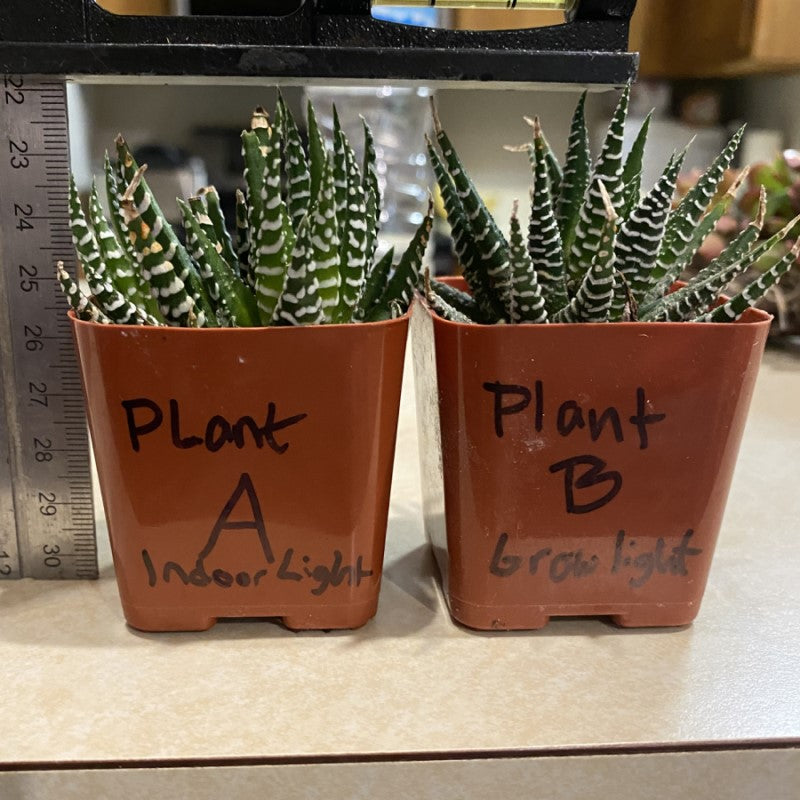
High-Intensity Discharge (HID) lamps are very powerful. They produce bright light similar to sunlight. HID lamps come in two types: Metal Halide and High-Pressure Sodium. Metal Halide works well for leafy growth. High-Pressure Sodium is best for flowering and fruiting. These lamps need special fixtures and generate heat.
Credit: harddy.com
Light Spectrum And Plant Growth
Plants need light to grow, but not all light is the same. The light spectrum includes many colors, each with a different effect on plants. Understanding the light spectrum helps us know how artificial light can support plant growth. Plants absorb certain colors of light best. These colors influence how plants grow, develop leaves, and produce flowers or fruits.
Artificial lights can be designed to give plants the right colors. This helps plants grow strong even indoors or in places without enough sunlight. Let’s explore the main parts of the light spectrum that matter most for plants.
Role Of Blue Light
Blue light is important for young plants. It helps leaves grow thick and healthy. Plants use blue light to make chlorophyll, the green pigment needed for photosynthesis. Blue light controls how plants open their stomata, which are tiny holes on leaves. These holes let plants breathe and take in carbon dioxide. Blue light also helps plants stay short and sturdy, not tall and weak.
Role Of Red Light
Red light plays a big role in flowering and fruiting. It helps plants know when to bloom. Red light works with far-red light to tell plants the length of day and night. This controls their growth cycles. Red light also boosts photosynthesis and helps plants produce energy. Many artificial grow lights use red light to improve plant yield and health.
Other Spectrum Components
Besides blue and red, plants use other light colors too. Green light is mostly reflected, but some reaches deeper into leaves. This helps photosynthesis in inner leaf layers. Far-red light affects plant height and flowering time. Ultraviolet (UV) light can stress plants slightly, making them stronger. White light combines many colors and mimics natural sunlight well. A mix of these lights often works best for plant growth.
Choosing The Right Light For Plants
Choosing the right light for plants is key to their healthy growth indoors. Different plants need different types of light. Picking the correct light source helps plants grow strong and stay healthy. It also saves energy and cuts costs.
Assessing Plant Needs
Plants have various light needs based on their type and growth stage. Some plants need bright, direct light. Others thrive in low or indirect light. Knowing your plant’s light preference is the first step. Check if your plant needs full-spectrum light or just blue or red wavelengths. This knowledge guides your light choice.
Energy Efficiency
Energy-efficient lights save money and reduce electricity use. LED grow lights use less energy than traditional bulbs. They also last longer and produce less heat. Choosing energy-efficient lighting helps maintain a stable room temperature. This is good for both plants and your electric bill.
Cost Considerations
Initial cost and running cost affect your light choice. LED lights cost more upfront but lower energy bills over time. Fluorescent lights are cheaper but use more power. Think about how much light your plants need daily. Balance cost with plant health for the best results.
Setting Up Indoor Grow Lights
Setting up indoor grow lights is key to healthy plant growth. Proper setup helps plants get the light they need. It also saves energy and prevents light burn. Understanding placement, timing, and accessories improves results.
Each factor plays a role in how well your plants grow indoors. Careful planning makes a big difference.
Placement And Distance
Place lights close enough to plants for strong light. Too far means weak light and slow growth. Too close can burn leaves. Different plants need different distances. Most indoor plants do well 12 to 18 inches away. Adjust based on light type and plant size.
Lighting Duration
Plants need enough light hours daily. Most need 12 to 16 hours of light. Too little light slows growth. Too much light stresses plants. Use a timer to keep a steady schedule. This mimics natural daylight and helps plants thrive.
Reflectors And Covers
Reflectors spread light evenly to all plant parts. They reduce wasted light and boost efficiency. Covers or diffusers soften harsh light and protect plants. Use them to avoid leaf damage and improve growth. Good reflectors and covers make your setup better.
Benefits Of Artificial Light For Indoor Plants
Artificial light offers many benefits for indoor plants. It provides a steady and reliable source of energy. This helps plants grow strong and healthy inside homes or offices. The use of artificial light makes indoor gardening easier and more effective.
Year-round Growth
Artificial light allows plants to grow all year. Natural sunlight changes with seasons. Plants may stop growing in winter. Artificial light keeps plants active during dark months. Gardeners can enjoy fresh herbs and flowers anytime.
Improved Yield And Quality
Plants under artificial light often produce more fruit and flowers. The light helps plants make food efficiently. This leads to bigger and better crops. Indoor growers can expect higher quality results. Artificial light supports strong stems and vibrant leaves.
Control Over Growth Cycles
Artificial light lets gardeners control plant growth timing. It can mimic day and night length. This control helps manage flowering and fruiting periods. Growers can plan harvests more precisely. Plants stay healthy and productive with proper light cycles.
Common Challenges And Solutions
Growing plants under artificial light is popular but not without challenges. Many gardeners face issues like heat, light damage, and water balance. These problems can affect plant health and growth. Understanding common challenges helps find practical solutions. This section covers key points to help your plants thrive under artificial light.
Heat Management
Artificial lights produce heat. Too much heat can stress plants and dry the soil fast. Keep lights at a safe distance from plants. Use fans or ventilation to cool the growing area. Regularly check the temperature. Aim for a balance that keeps plants warm but not overheated.
Light Burn Prevention
Light burn happens when plants get too much light. Leaves may turn yellow or brown. Avoid placing lights too close to plants. Start with low light intensity and increase slowly. Use timers to control how long lights stay on. Watch plants daily for signs of stress.
Balancing Light And Water
Artificial light can change how much water plants need. Plants under strong light may need more water. Check soil moisture often. Water plants only when soil feels dry. Avoid overwatering, which can cause root problems. Proper balance helps plants grow healthy and strong.
Popular Indoor Plants For Artificial Lighting
Many indoor plants thrive under artificial light. This light mimics the sun’s natural rays. It helps plants grow strong and healthy. Choosing the right plants makes indoor gardening easier. Some plants do better with artificial light than others. This section highlights popular indoor plants for artificial lighting.
Herbs And Vegetables
Herbs like basil, mint, and parsley grow well indoors. They need moderate light and regular watering. Leafy vegetables such as lettuce and spinach also do well. These plants grow fast and add fresh greens to meals. Artificial light supports their steady growth all year round.
Flowering Plants
Some flowering plants bloom under artificial light. African violets and peace lilies are good examples. They need medium to low light and moist soil. Flowers brighten indoor spaces and improve mood. Proper light helps these plants produce more blooms.
Succulents And Houseplants
Succulents like aloe vera and jade plants prefer bright light. They store water in their leaves and need less watering. Snake plants and pothos are popular houseplants for low light. These plants are easy to care for and survive artificial light well.
Future Trends In Artificial Plant Lighting
Artificial plant lighting is changing fast. New technology makes it easier to grow plants indoors. Future trends in this field focus on smarter, better, and greener lighting solutions. These advances help plants grow healthier and save energy.
Smart Lighting Systems
Smart lighting systems adjust light based on plant needs. Sensors monitor plant health and light levels. These systems can change light color and intensity automatically. This control helps plants grow stronger and faster. Users can also control lights using apps on their phones.
Advancements In Led Technology
LED lights are improving in efficiency and design. New LEDs provide better light quality for photosynthesis. They use less power and last longer than older lights. Scientists are creating LEDs that mimic natural sunlight closely. This helps plants grow better indoors.
Sustainable Lighting Solutions
Energy-saving lights reduce electricity use and costs. Sustainable materials are used to make lighting fixtures. Some systems use solar power or batteries to run lights. These solutions lower the environmental impact of indoor farming. Growing plants with green energy is becoming more common.

Credit: www.wikihow.com
Frequently Asked Questions
Can Artificial Light Replace Natural Sunlight For Plants?
Yes, artificial light can replace sunlight for plants. LED grow lights provide specific wavelengths essential for photosynthesis and growth. They work well indoors, allowing plants to thrive without natural sunlight.
Which Artificial Lights Are Best For Growing Plants?
LED grow lights are best for growing plants. They are energy-efficient, emit optimal light spectrums, and produce minimal heat. These lights promote healthy growth and flowering in various plant species.
How Long Should Plants Be Exposed To Artificial Light?
Plants typically need 12 to 16 hours of artificial light daily. This duration mimics natural daylight and supports photosynthesis. Adjust timing based on plant type and growth stage for best results.
Can All Plants Grow Under Artificial Light?
Most plants can grow under artificial light if the light spectrum suits their needs. Some plants require specific wavelengths or intensity. Choosing the right grow light ensures healthy growth for various species.
Conclusion
Artificial light can help plants grow well indoors. Different types of lights suit different plants. Light intensity and duration affect plant health. Choosing the right light saves energy and money. Plants need light to make food and grow strong. Using artificial light lets you garden all year.
Try simple setups to see what works best. Growing plants with artificial light is a smart way. It brings green life into any space, big or small.
As an Amazon Associate, I earn from qualifying purchases.