Have you ever wondered if your plants can thrive without natural sunlight? Maybe you don’t have a sunny window or live somewhere with long, dark winters.
The good news is, you can grow healthy, vibrant plants using artificial light. But how does it work? And what kind of light do your plants really need? Keep reading to discover how you can turn any space into a green oasis, no matter the light outside.
Your plants—and your home—will thank you.
Credit: harddy.com
Benefits Of Artificial Light For Plants
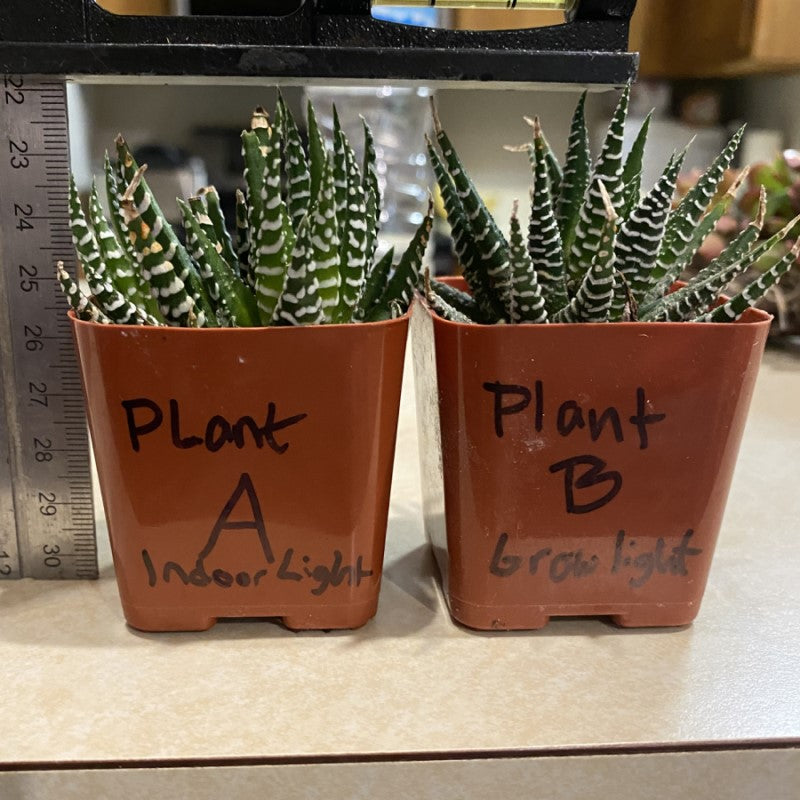
Using artificial light for plants offers many benefits. It helps growers control the environment and improve plant health. Artificial light can support plants indoors or in places with little sunlight. This method allows gardeners to grow plants year-round, regardless of weather or season.
Extended Growing Seasons
Artificial light lets plants grow beyond natural daylight hours. This means plants can thrive even in winter months. Growers do not depend on the sun’s schedule. Plants receive the light they need to grow strong and healthy all year.
Control Over Light Intensity
With artificial light, you can set the brightness to fit plant needs. Different plants require different light strengths. This control helps avoid too much or too little light. Adjusting light intensity helps plants grow better and reduces stress.
Improved Plant Growth
Plants get consistent light from artificial sources. This steady light helps them grow faster and fuller. It also supports better photosynthesis and stronger roots. Artificial light can improve the quality and size of plants over time.

Credit: myplantin.com
Types Of Artificial Lights
Plants need light to grow, but natural sunlight is not always enough. Artificial lights can help grow plants indoors. Different types of artificial lights offer unique benefits for plant growth. Choosing the right light depends on your plants and space. Below are the main types of artificial lights used for growing plants.
Fluorescent Lights
Fluorescent lights are common and affordable for small indoor gardens. They produce a cool, gentle light that suits seedlings and leafy plants. These lights use less energy and create little heat. Fluorescent tubes or bulbs come in various sizes and color temperatures. They work best when placed close to plants for good light exposure.
Led Grow Lights
LED grow lights are energy-efficient and last a long time. They emit specific light colors plants need for photosynthesis. These lights produce less heat, reducing the risk of burning leaves. LEDs come in different shapes and intensities to fit many growing setups. Their adjustable spectrum helps plants at different growth stages.
High-intensity Discharge Lights
High-Intensity Discharge (HID) lights provide very strong light, ideal for large or flowering plants. They include metal halide and high-pressure sodium lamps. Metal halide bulbs give blue light for vegetative growth. High-pressure sodium bulbs emit red-orange light to boost flowering and fruiting. HID lights use more electricity and need special fixtures to manage heat.
Choosing The Right Light Spectrum
Choosing the right light spectrum is key to growing healthy plants with artificial light. Plants need different light colors for various growth stages. Using the correct spectrum helps plants grow strong and bloom well. Understanding these light types makes your indoor garden thrive.
Blue Light For Vegetative Growth
Blue light helps plants grow leaves and stems. It supports strong, healthy growth during the early stages. Plants use blue light to make chlorophyll, which is vital for photosynthesis. This light keeps plants short and bushy, perfect for leafy vegetables and herbs.
Red Light For Flowering
Red light encourages plants to produce flowers and fruits. It helps with blooming and seed production. Using red light during the flowering stage boosts plant yield. This spectrum is important for fruiting plants like tomatoes and peppers.
Full Spectrum Options
Full spectrum lights combine blue, red, and other colors. They mimic natural sunlight for balanced plant growth. These lights work well for all growth stages. Choosing full spectrum lights simplifies the process and supports healthy plants from seed to harvest.
Setting Up Your Grow Space
Setting up your grow space is key for healthy plants under artificial light. The right setup helps plants get enough light, air, and warmth. A well-organized space makes your plants grow strong and stay healthy. Focus on light placement, reflective surfaces, and good air flow.
Light Placement And Distance
Place lights above the plants, not too close or far. Keep lights 12 to 24 inches from leaves. Adjust the distance as plants grow. Too close can burn leaves. Too far makes plants weak and leggy. Use a timer to give plants 12 to 16 hours of light daily.
Reflective Surfaces
Use reflective materials on walls near plants. Aluminum foil or white paint works well. They bounce light back to plants, increasing light exposure. This helps plants absorb more energy. Avoid dark or dull surfaces that absorb light. Bright surroundings improve light efficiency and plant growth.
Ventilation And Temperature Control
Good air flow keeps plants healthy and prevents mold. Use a small fan to circulate air gently. Keep the room temperature between 65°F and 75°F. Avoid hot spots near lights. Cooler nights help plants rest. Proper ventilation and stable temperature support strong growth.
Lighting Schedules For Different Plants
Different plants need different amounts of light at each growth stage. Using artificial light means you can control the lighting schedule. This control helps plants grow strong and healthy indoors. Understanding the right lighting time for each stage is key to success.
Seedlings And Clones
Young plants need gentle but steady light. They grow best with 16 to 18 hours of light daily. Too much light can stress them. Too little slows their growth. Keep lights about 6 to 12 inches above seedlings. Adjust as they grow taller to avoid burning.
Vegetative Stage
During this stage, plants focus on leaves and stems. They need more light to build energy. Provide 18 to 24 hours of light daily. This schedule encourages fast and strong growth. Use full-spectrum LED or fluorescent lights for best results. Keep lights close but avoid heat stress.
Flowering Stage
Plants start making flowers with less light each day. Switch to 12 hours of light and 12 hours of darkness. This change signals plants to bloom. Darkness must be complete and uninterrupted. Use red spectrum light to support flower growth. Correct timing helps increase yield and quality.

Credit: www.reddit.com
Common Challenges And Solutions
Growing plants under artificial light comes with challenges. Understanding these problems helps you find the right solutions. This section covers common issues and how to fix them. You will learn about light burn, heat stress, insufficient light, and saving energy.
Light Burn And Heat Stress
Plants get hurt if lights are too close. Leaves may turn yellow or dry out. Heat from strong bulbs can stress plants. Keep lights at the right distance to avoid damage. Use fans or vents to cool the area. Watch your plants daily for signs of heat stress.
Insufficient Light Issues
Plants need enough light to grow healthy. Weak or too little light slows growth. Leaves may become pale and drop off. Use lights with the right brightness and spectrum. Adjust light duration to match plant needs. Rotate plants to give all sides light.
Energy Consumption Tips
Artificial lights can use a lot of power. Choose energy-saving bulbs like LEDs. Set timers to control light hours precisely. Turn off lights when not needed. Use reflectors to direct light better. These steps lower your energy bill and help the environment.
Monitoring Plant Health Under Artificial Light
Watching your plants carefully is key when using artificial light. Plants need the right light to grow well. Too much or too little light can harm them. Monitoring their health helps you spot problems early. This way, you can adjust the light and care for your plants better.
Signs Of Light Stress
Plants show signs if light is too strong or weak. Leaves may turn yellow or brown. Leaves can curl or drop off. Plants might grow tall and thin, reaching for light. Watch for slow growth or pale leaves. These signs mean the light needs checking.
Adjusting Light Intensity
Change the distance between the light and plants. Move lights closer for more intensity. Move lights away if leaves burn or dry out. Use dimmers to lower brightness if possible. Keep the light on for 12 to 16 hours a day. Avoid too much light, which stresses plants.
Nutrient Considerations
Plants under artificial light may use nutrients differently. Check soil often to avoid nutrient build-up. Feed plants with balanced fertilizer regularly. Watch for signs of nutrient deficiency like yellow leaves. Proper nutrients help plants stay strong and healthy.
Cost And Energy Efficiency
Growing plants under artificial light has become popular for many gardeners. Understanding the cost and energy use helps decide if it fits your budget and lifestyle.
Artificial light needs some upfront money and ongoing power use. Both affect how affordable and eco-friendly your plant growing can be.
Initial Investment
Buying grow lights can cost from cheap to expensive. LED lights usually cost more at first but last longer. Fluorescent and incandescent lights are cheaper but use more electricity. You also need fixtures and timers, which add to the start cost. Planning your setup well saves money later.
Running Costs
Lights use electricity every day. Running costs depend on the light type and usage hours. LED lights use less power and reduce bills. Older lights use more energy and cost more. Check your local electricity rates to estimate monthly costs. Keeping lights on only when needed cuts power use.
Energy-saving Tips
Choose LED grow lights for better energy efficiency. Use timers to control light schedules automatically. Place plants close to lights to get enough light without extra power. Reflective materials around plants help spread light evenly. Turn off lights during daylight hours to save energy.
Popular Plants For Indoor Artificial Lighting
Growing plants indoors with artificial light is popular. It allows plants to thrive without sunlight. Many plants adapt well to this setup. Choosing the right plants is key for success. Here are some popular options for indoor artificial lighting.
Herbs And Vegetables
Herbs like basil, mint, and parsley grow well under artificial light. They need moderate light for healthy leaves. Vegetables such as lettuce and spinach also do well. These plants grow fast and need less space. Artificial lights help them stay green and fresh.
Flowering Plants
Flowering plants like African violets and orchids bloom indoors with artificial light. They need bright but indirect light. These plants bring color and life to any room. Proper light helps flowers open and stay healthy. They add beauty and fragrance to indoor spaces.
Succulents And Houseplants
Succulents like aloe vera and jade plants need bright light. They store water and survive with less care. Common houseplants such as pothos and snake plants also grow well. These plants adapt to lower light levels but thrive with artificial light. They improve air quality and decorate rooms nicely.
Frequently Asked Questions
Can Plants Grow Well Under Artificial Light?
Yes, plants can grow well under artificial light if the light spectrum matches their needs. LED and fluorescent lights work best for most indoor plants. Proper intensity and duration are essential for healthy growth and photosynthesis.
What Type Of Artificial Light Is Best For Plants?
Full-spectrum LED grow lights are best because they provide all necessary light wavelengths. Fluorescent lights are also effective for seedlings and low-light plants. Avoid regular incandescent bulbs as they produce too much heat and insufficient light for growth.
How Many Hours Of Artificial Light Do Plants Need?
Most plants need 12 to 16 hours of artificial light daily. This mimics natural daylight and supports photosynthesis. Adjust timing based on plant type and growth stage for optimal results.
Can Artificial Light Replace Natural Sunlight Completely?
Artificial light can replace sunlight for indoor plants if properly managed. However, natural sunlight offers broader light spectrum and intensity. Combining both can improve plant health and growth.
Conclusion
Plants can grow well under artificial light. Choosing the right light helps plants stay healthy. Different plants need different light types and amounts. You can control light duration and intensity easily. Growing plants indoors becomes possible all year round. Artificial light offers a simple way to garden inside.
Try experimenting with light settings for best results. Watch your plants grow strong and green. Gardening with artificial light is both fun and practical. Give it a try, and enjoy fresh plants anytime.
As an Amazon Associate, I earn from qualifying purchases.