Have you ever wondered if your plants can thrive without natural sunlight? Imagine growing lush, green plants right in your room, even if you don’t have a sunny window.
The secret lies in artificial light. But can plants really grow under it? If you’re curious about how to keep your plants healthy indoors or want to create a perfect green space anywhere, this article will reveal everything you need to know.
Keep reading to discover how artificial light can change the way you grow your plants—and why it might be the game-changer you’ve been looking for.
Benefits Of Artificial Light For Plants
Artificial light helps plants grow in many ways. It allows plants to get the light they need without depending on the sun. This is useful for many gardeners and farmers. Artificial light can improve plant growth and health in controlled settings.
Plants need light for photosynthesis. Artificial light provides a steady source. This makes growing plants easier and more predictable.
Extending Growing Seasons
Artificial light lets plants grow beyond natural seasons. You can grow plants during winter or in places with short days. This means more harvests and fresh produce all year.
Farmers can produce crops even when outdoor conditions are not good. This helps increase food supply and reduces waste.
Indoor Gardening Opportunities
Artificial light enables gardening inside homes and buildings. People can grow flowers, herbs, and vegetables indoors. This is great for those without outdoor space.
Indoor gardening improves air quality and adds green spaces to homes. It also allows people to enjoy gardening all year.
Control Over Light Intensity And Duration
Artificial light lets you control how strong the light is. You can also decide how long plants get light each day. This control helps plants grow better and healthier.
Different plants need different light amounts. Artificial light systems can be adjusted to meet these needs easily.

Credit: www.reddit.com
Types Of Artificial Light For Plants
Plants need light to grow. Sunlight is natural and best. But artificial light helps plants grow indoors or in low light areas. Different types of artificial lights offer various benefits and suit different plants. Knowing the types of artificial light helps you choose the right one for your plants.
Fluorescent Lights
Fluorescent lights are common for plant growth. They use less energy and produce low heat. These lights work well for seedlings and small plants. Cool white fluorescent tubes provide the blue spectrum needed for leaf growth. They are affordable and easy to find. However, they may not be strong enough for large plants or flowering stages.
Led Grow Lights
LED grow lights are popular and efficient. They use very little energy and last a long time. LEDs can produce specific light colors needed by plants. This helps improve photosynthesis and growth. They emit less heat, so plants stay safe. You can find LED lights for all plant stages. They cost more but save money over time.
High-intensity Discharge Lamps
High-Intensity Discharge (HID) lamps provide very bright light. These are strong and suitable for large plants or full growth cycles. HID lamps come in two types: Metal Halide and High-Pressure Sodium. Metal Halide lamps give blue light for growth. High-Pressure Sodium lamps give red light for flowering. They use more energy and produce heat. Proper ventilation is needed when using HID lamps.
Light Spectrum And Plant Growth
Plants need light to grow. Light helps them make food through photosynthesis. Not all light is the same. Different colors of light affect plants in different ways. This is called the light spectrum. Understanding the light spectrum helps us grow plants with artificial light.
Role Of Blue Light
Blue light is very important for plants. It helps plants grow strong leaves. Blue light controls how plants open their stomata. Stomata are tiny holes that let plants breathe. This light also helps plants stay short and sturdy. Too little blue light makes plants grow tall and weak.
Importance Of Red Light
Red light helps plants grow tall and bloom flowers. It is key for seed germination and fruit production. Red light works best with blue light to make plants healthy. Without enough red light, plants may not flower or produce fruit well.
Full Spectrum Lighting
Full spectrum lighting includes all colors of light plants need. It mimics natural sunlight. This light supports all stages of plant growth. Using full spectrum light helps plants grow faster and healthier indoors. It is the best choice for artificial plant growth.
Setting Up Artificial Lighting
Setting up artificial lighting is key to help plants grow indoors. Proper lighting replaces natural sunlight. It supports photosynthesis and healthy growth. Knowing how to choose and place lights matters a lot. The timing of light exposure also affects plant health. Let’s explore simple steps to set up artificial lights for your plants.
Choosing The Right Light Source
Select lights that match plant needs. LED grow lights are energy-efficient and last long. Fluorescent lights work well for seedlings and herbs. Avoid regular household bulbs; they do not provide the right spectrum. Look for full-spectrum lights to cover all growth stages. The right light helps plants grow strong and vibrant.
Placement And Distance From Plants
Place lights close to plants but not too near. Keep lights 12 to 24 inches above leaves. Too close can burn leaves; too far weakens light effects. Adjust height as plants grow taller. Use a hanger or adjustable stand to move lights easily. Proper distance ensures even light and healthy plants.
Light Duration And Scheduling
Plants need consistent light hours daily. Most plants thrive with 12 to 16 hours of light. Use a timer to turn lights on and off automatically. A steady schedule helps plants rest and grow. Avoid sudden changes in light timing. Balanced light duration supports strong roots and lush leaves.
Plant Types Suited For Artificial Light
Plants vary in their ability to grow under artificial light. Some types adapt well to indoor lighting setups. Understanding which plants thrive helps you create a healthy, green space. Choose plants that use artificial light efficiently for best results.
Leafy Greens And Herbs
Leafy greens like lettuce and spinach grow fast under artificial light. They need moderate light intensity and respond well to LED grow lights. Herbs such as basil, mint, and parsley also do well indoors. These plants require short light cycles and steady temperatures.
Flowering Plants
Certain flowering plants can bloom with artificial light. African violets and orchids are common examples. They need consistent light to produce flowers. Using full-spectrum lights helps mimic natural sunlight for these plants. Flowering plants may need longer light hours to thrive.
Succulents And Cacti
Succulents and cacti are low-maintenance and suited for artificial light. They need bright but indirect lighting for growth. These plants store water and can tolerate less frequent watering. Using grow lights with a blue spectrum supports their health indoors.

Credit: www.wikihow.com
Common Challenges And Solutions
Growing plants under artificial light has many benefits. Still, it comes with challenges. These issues can affect plant health and growth. Knowing common problems and how to fix them helps your plants thrive.
Preventing Light Burn
Light burn happens when plants get too much light. Leaves may turn yellow or brown. Keep lights at the right distance from plants. Check light intensity often. Use adjustable fixtures to move lights as plants grow. Choose lights with lower heat output to reduce risk.
Avoiding Insufficient Light
Plants need enough light to make food. Too little light slows growth and weakens plants. Use full-spectrum LED or fluorescent lights for best results. Measure light with a meter or check plant response. Increase light hours or add more lamps if plants look pale or leggy.
Managing Heat From Lights
Many grow lights give off heat. Excess heat dries soil and stresses plants. Use fans or ventilation to keep air moving. Avoid placing lights too close to leaves. Choose cooler light options like LEDs. Monitor temperature regularly to keep it steady and safe for plants.
Optimizing Growth With Artificial Light
Artificial light can help plants grow well indoors. It gives plants the energy they need for photosynthesis. But light alone is not enough for healthy growth. Proper care is key to get the best results from artificial light.
Plants need the right balance of light, water, and nutrients. Adjusting these factors helps plants thrive under artificial light. Watch your plants closely to keep them healthy and growing strong.
Combining Light With Proper Watering
Watering is important for plants under artificial light. The soil should stay moist but not soggy. Overwatering can harm roots and stop growth. Underwatering makes plants dry and weak. Check the soil often to see if it needs water. Water plants slowly to let the roots absorb moisture well.
Using Nutrients For Indoor Plants
Indoor plants need extra nutrients because they lack natural soil. Use a balanced fertilizer to give plants essential minerals. Feed plants according to the type and growth stage. Too much fertilizer can burn roots. Follow package instructions carefully. Nutrients help plants grow leaves, flowers, and strong roots.
Monitoring Plant Health
Watch your plants daily for signs of stress. Look for yellow leaves, spots, or wilting. These signs mean your plant may need more light, water, or nutrients. Adjust your care based on what you see. Keep plants clean by removing dead leaves. Healthy plants grow better under artificial light.
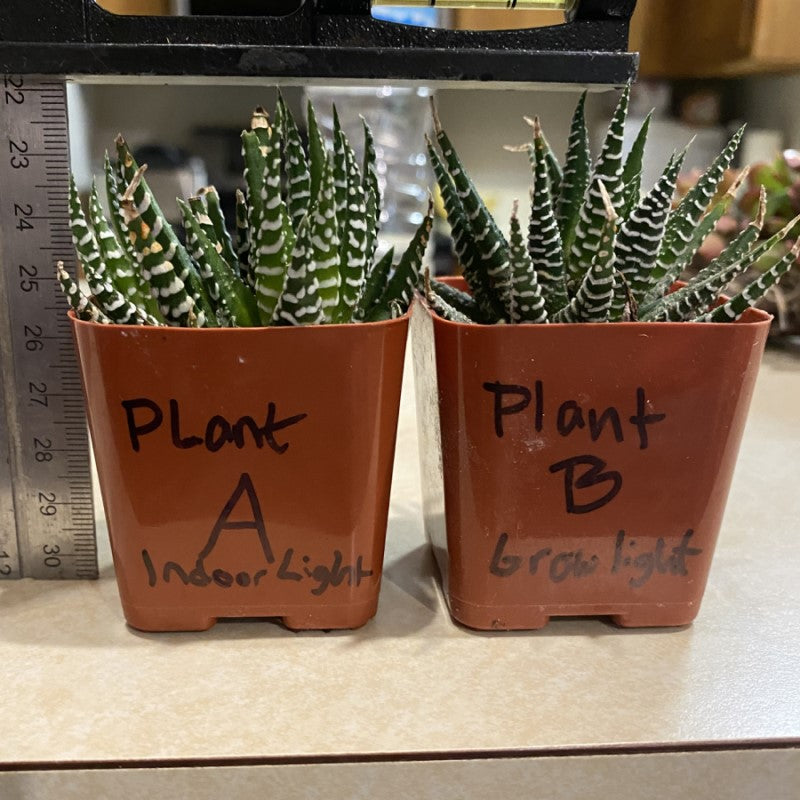
Credit: harddy.com
Frequently Asked Questions
Can Plants Grow Well Under Artificial Light?
Yes, many plants can grow well under artificial light. Proper light intensity and spectrum are essential for photosynthesis and healthy growth.
Which Artificial Lights Are Best For Plant Growth?
LED grow lights and fluorescent lights are best. They provide the right light spectrum and are energy-efficient for indoor plants.
How Long Should Plants Be Exposed To Artificial Light?
Most plants need 12 to 16 hours of artificial light daily. This mimics natural daylight and supports photosynthesis effectively.
Can Artificial Light Replace Natural Sunlight Completely?
Artificial light can replace sunlight for indoor plants but may lack some full-spectrum benefits. Balanced light sources improve growth quality.
Conclusion
Plants can grow well under artificial light. They need light to make food and grow strong. Many types of lights work, like LEDs and fluorescents. Artificial light helps when sunlight is not enough. You can grow plants indoors all year round.
Just give the right amount of light and water. Watching plants grow with artificial light is rewarding. It shows how adaptable nature truly is. This method suits homes, offices, and small gardens. Growing plants indoors can brighten any space easily.
As an Amazon Associate, I earn from qualifying purchases.