Have you ever wondered if your plants can thrive without natural sunlight? Maybe you live in a place with little sun, or you want to keep your green friends healthy indoors all year round.
The idea of using artificial light to grow plants sounds simple, but does it really work? You’ll discover the truth about plants and artificial light—what works, what doesn’t, and how you can make your plants flourish no matter where you keep them.
Keep reading to unlock the secrets that will help your plants survive and thrive under artificial light.
Plant Growth Basics
Plants need certain conditions to grow well. Light plays a key role in their health and development. Understanding how plants use light helps us care for them better. This section explains the basics of plant growth and the role of light.
Light And Photosynthesis
Plants use light to make food. This process is called photosynthesis. Leaves capture light energy and turn it into sugars. These sugars feed the plant and help it grow strong.
Without enough light, plants cannot make enough food. They become weak and may stop growing. Light also affects other parts like stem and leaf size.
Natural Vs Artificial Light
Sunlight is the natural source of light for plants. It has all colors plants need. Natural light changes through the day and seasons. This helps plants grow in cycles.
Artificial light comes from bulbs and lamps. Not all artificial lights are good for plants. Special grow lights provide the right colors and intensity. They can help plants grow indoors or in dark places.
Choosing the correct type and amount of light is important. Plants need enough light hours and the right colors to stay healthy.
Credit: harddy.com
Types Of Artificial Light
Artificial light helps plants grow indoors. Different types of lights work in different ways. Some lights are better for certain plants. Understanding these lights can help plants stay healthy.
Incandescent Bulbs
Incandescent bulbs are common household lights. They produce a warm, yellow light. This light is not very good for plants. It uses a lot of energy. Plants grow slowly under incandescent bulbs.
Fluorescent Lamps
Fluorescent lamps are energy-saving lights. They produce a cooler, bluish light. This light helps plants grow leaves well. These lamps are cheap and widely used. They work best for seedlings and leafy plants.
Led Grow Lights
LED grow lights use less electricity. They give off light in many colors. Red and blue light help plants grow fast. LEDs last a long time and stay cool. They are popular for indoor gardening.
High-intensity Discharge Lights
High-intensity discharge (HID) lights are very bright. They produce strong light for big plants. These lights use more power but help plants grow well. HID lights are good for flowering and fruiting plants. They need special fixtures and ventilation.
Choosing The Right Light Spectrum
Choosing the right light spectrum is key for plants grown under artificial light. Plants need different types of light for various growth stages. Each color in the light spectrum affects plants in unique ways. Understanding these effects helps you select the best light for healthy plants.
Blue Light Effects
Blue light helps plants grow strong leaves. It supports photosynthesis and keeps plants compact. Too much blue light can slow flowering but boosts leaf growth. Seedlings and young plants especially need blue light. It encourages sturdy stems and healthy development.
Red Light Effects
Red light plays a major role in flowering and fruiting. It helps plants bloom faster and produce more flowers. Red light also works well with blue light for balanced growth. Plants use red light to grow tall and develop buds. It is important during the later growth stages.
Full Spectrum Benefits
Full spectrum light mimics natural sunlight. It provides all colors plants need throughout their life. Using full spectrum light supports both leaf growth and flowering. Plants grow evenly and stay healthy under full spectrum. This light suits most indoor gardening setups well.
Light Intensity And Duration
Plants need the right amount of light to grow well under artificial light. Both the strength of the light and how long plants get light each day matter a lot. Too little light makes plants weak. Too much light can also harm them. Understanding light intensity and duration helps plants stay healthy indoors.
Optimal Light Levels
Each plant needs a certain light level to grow. Light is measured in lumens or foot-candles. Most houseplants do well with 100 to 1000 foot-candles. Succulents and cacti need more light, about 2000 foot-candles. Too dim light slows growth. Too bright light can burn leaves. Adjust light distance to find the right level.
Photoperiod Requirements
Plants also need a set time of light and darkness. This is called the photoperiod. Some plants grow best with 12 hours of light. Others need 14 to 16 hours. Flowering plants often need shorter or longer light periods. Consistent light schedules help plants stay on track. Timers make this easy to manage.
Adjusting Light For Different Plants
Not all plants like the same light. Leafy plants like moderate light. Flowering plants want brighter light and longer hours. Seedlings need gentle light to avoid stress. Adjust light strength and time based on plant type. Watch your plants for signs of too much or too little light. Change settings as plants grow.
Setting Up Artificial Lighting
Setting up artificial lighting for plants requires careful planning. Proper light setup helps plants grow strong and healthy. Plants need the right amount of light, placed correctly. This section explains key steps for setting up artificial lights.
Placement And Distance
Place lights close enough to plants for good light absorption. Usually, 6 to 12 inches from the plant tops works well. Too close can burn leaves. Too far means weak light. Adjust distance based on light type and plant needs.
Timers And Automation
Use timers to control light duration. Plants often need 12 to 16 hours of light daily. Timers keep this consistent without extra effort. Automation saves time and prevents over or under lighting. It helps plants follow a natural day-night cycle.
Energy Efficiency Tips
Choose LED grow lights for low energy use. They last longer and use less electricity. Turn off lights when not needed. Reflective surfaces can increase light use. These actions reduce energy bills and protect the environment.

Credit: www.wikihow.com
Common Challenges And Solutions
Growing plants under artificial light can be tricky. Many challenges affect plant health and growth. Understanding these common problems helps keep plants healthy indoors. Simple solutions can fix most issues quickly. This section covers key challenges and how to solve them.
Light Burn Symptoms
Light burn happens when plants get too much light. Leaves turn yellow or white and may curl. Spots or crispy edges appear on leaves. Plants stop growing well and look weak. Move lights farther away to stop burning. Use lower light intensity for sensitive plants.
Insufficient Light Signs
Plants with too little light grow slowly and look pale. Leaves become thin and drop off easily. Stems stretch and become tall and weak. Flowers and fruits may not form. Increase light time or use stronger bulbs. Make sure plants get enough light daily.
Balancing Heat And Humidity
Artificial lights can heat the plant area too much. High heat dries plants and soil quickly. Too low humidity causes leaves to brown and curl. Too high humidity leads to mold and pests. Use fans or vents to cool the space. Keep humidity levels between 40 and 60 percent for most plants.
Plant Types Best Suited For Artificial Light
Plants need light to grow well. Natural sunlight is best, but not always available. Artificial light can help plants grow indoors. Some plants do better under artificial light. Knowing which plants work best can save time and effort. It also helps keep plants healthy and green.
Indoor Foliage Plants
Many indoor foliage plants adapt well to artificial light. These plants often have low light needs. Examples include pothos, snake plants, and philodendrons. They tolerate less sunlight and still look vibrant. Their leaves stay green and strong with artificial light. Perfect for rooms without windows or low sunlight.
Herbs And Vegetables
Herbs grow fast under artificial light. Basil, mint, and parsley thrive indoors. Leafy vegetables like lettuce and spinach also do well. They need moderate light to grow healthy leaves. Artificial light helps them stay fresh and tasty. Great for fresh herbs and greens all year round.
Flowering Plants
Some flowering plants can bloom with artificial light. African violets and peace lilies are good examples. These plants need bright but indirect light. Proper artificial light encourages flowers to open. They brighten up indoor spaces with color. A nice choice for adding beauty inside.
Maximizing Growth With Artificial Light
Plants need light to grow well. Artificial light helps plants grow when natural light is not enough. Using artificial light the right way can improve plant health and growth. This section explains how to get the best results with artificial light.
Supplementing Natural Light
Artificial light works best when it adds to natural sunlight. Place lights where plants get some daylight. This helps plants stay strong and healthy. Use artificial light during cloudy days or short winter days. Keep lights on for about 12 to 16 hours daily. This gives plants enough time for photosynthesis.
Nutrient And Water Considerations
Plants under artificial light may need more water. Light can dry soil faster. Check soil moisture often. Feed plants with balanced nutrients to support growth. Use fertilizers with nitrogen, phosphorus, and potassium. Healthy soil and water help plants use artificial light better.
Monitoring Plant Health
Watch plants for signs of stress or poor growth. Leaves turning yellow or brown may mean too much light. Leaves growing tall and thin may mean not enough light. Adjust light distance and time as needed. Regularly check plants to keep them strong and growing well.

Credit: blancmagazine.com
Frequently Asked Questions
Can Plants Grow Well Under Artificial Light?
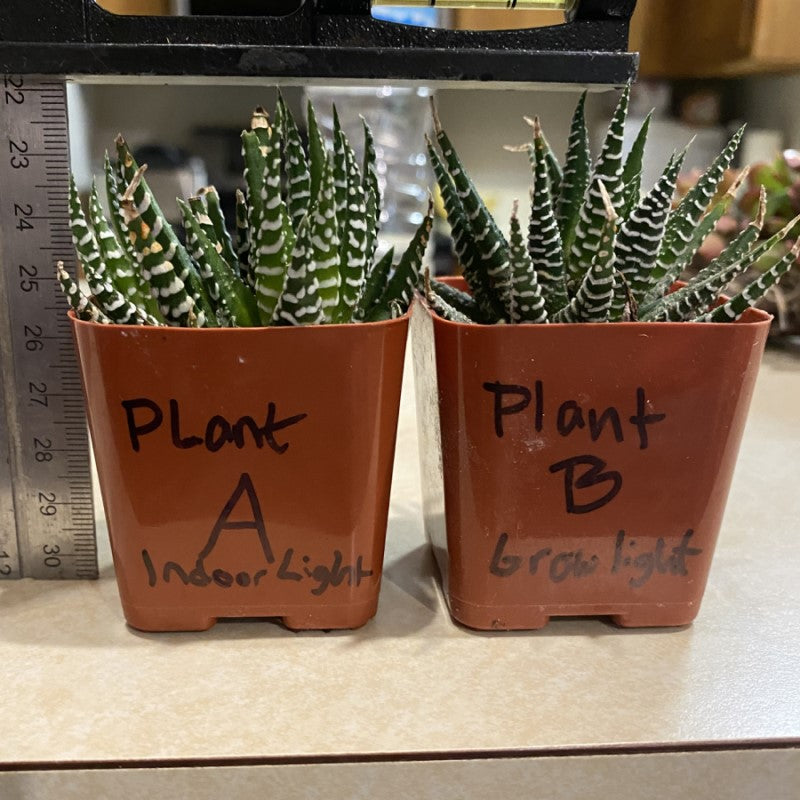
Yes, many plants can grow well under artificial light. Proper light spectrum, intensity, and duration are essential for growth. LED grow lights mimic sunlight effectively. Ensure the light matches your plant’s needs for best results.
What Types Of Artificial Light Help Plants Thrive?
LED grow lights, fluorescent lights, and high-intensity discharge lamps help plants thrive. LEDs are energy-efficient and customizable. Fluorescents suit seedlings and low-light plants. Choosing the right type depends on plant species and growth stage.
How Long Should Plants Stay Under Artificial Light?
Plants generally need 12-16 hours of artificial light daily. Duration varies by species and growth phase. Too much light causes stress; too little slows growth. Use timers for consistent light cycles to mimic natural conditions.
Do All Plants Survive Only On Artificial Light?
Not all plants thrive solely on artificial light. Some require natural sunlight for optimal growth. However, many indoor plants and seedlings adapt well to artificial lighting with proper care and light management.
Conclusion
Plants can grow well under artificial light with proper care. Choosing the right light type and duration matters a lot. Many plants adapt and thrive without natural sunlight. It saves space and helps gardeners in any season. Testing and watching plants closely brings the best results.
Artificial light offers a flexible way to grow indoors. Try different setups to find what works best for you. Growing plants inside is possible and rewarding.
As an Amazon Associate, I earn from qualifying purchases.