Have you ever wondered if your air conditioner does more than just cool your room? You might notice the air feels less sticky or damp when the AC is running.
But does it actually remove moisture from the air? Understanding how your air conditioner handles humidity can help you stay comfortable and even save on energy bills. Keep reading to discover the truth about air conditioners and dehumidification—and learn how this affects your home’s air quality.
How Air Conditioners Work
Air conditioners keep indoor spaces cool and comfortable. They remove heat and moisture from the air. Understanding how air conditioners work helps explain their role in dehumidifying your home.
Cooling Process Basics
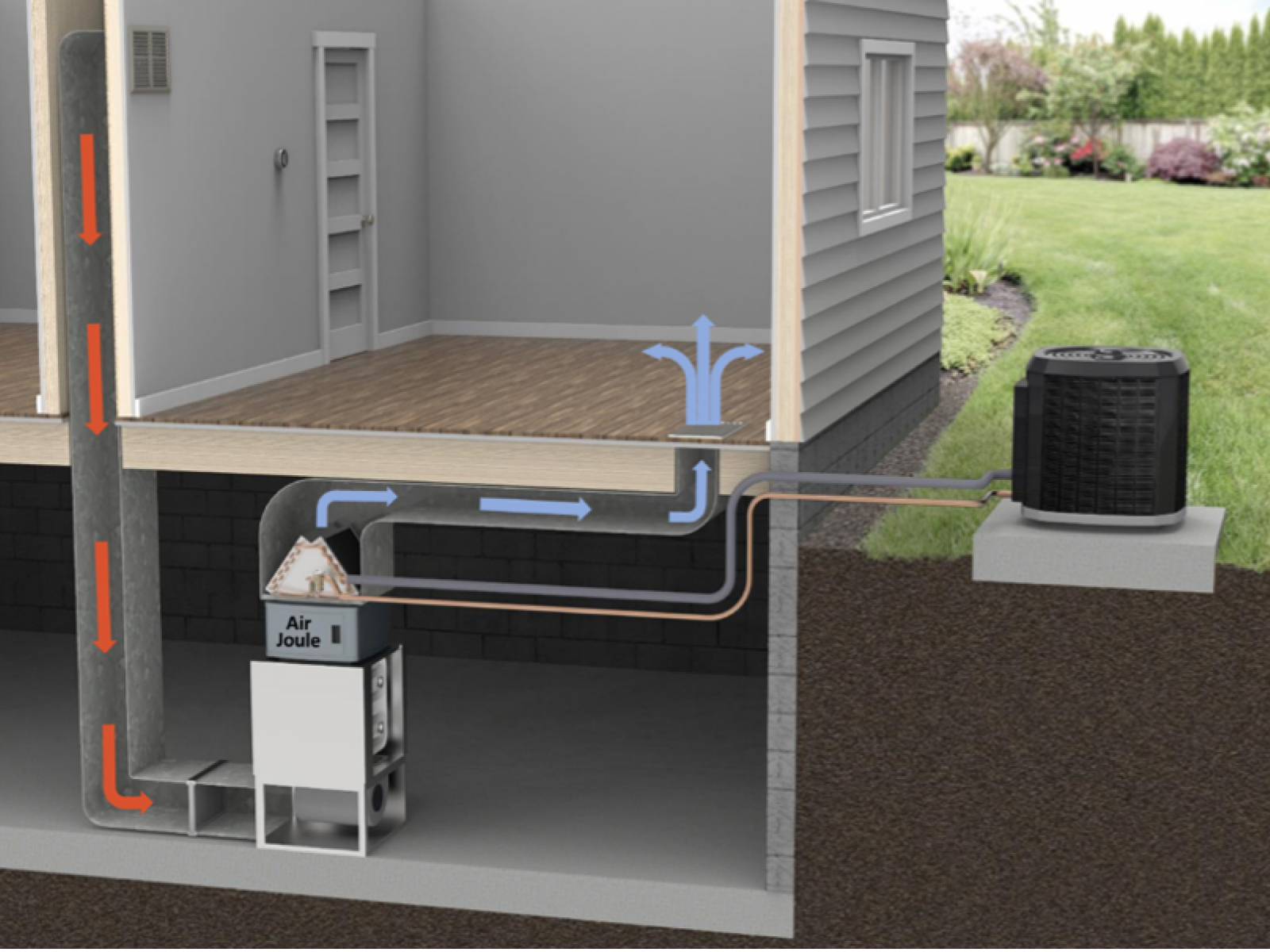
An air conditioner cools air by moving heat outside. Warm indoor air passes through cold coils inside the unit. The air loses heat as it touches these coils. Cooler air then circulates back into the room. This process lowers the room’s temperature quickly.
Role Of Refrigerant
The refrigerant is a special fluid inside the air conditioner. It absorbs heat from indoor air. Then, it moves the heat outside the home. The refrigerant changes from liquid to gas and back again. This cycle helps carry heat away efficiently.
Air Circulation Mechanism
Fans inside the air conditioner move air through the system. They pull warm air in and push cool air out. Filters clean dust and dirt from the air. This keeps the air fresh and healthy. Continuous air movement improves cooling and comfort.
Credit: www.mitsubishielectric.com.au
Dehumidification In Air Conditioners
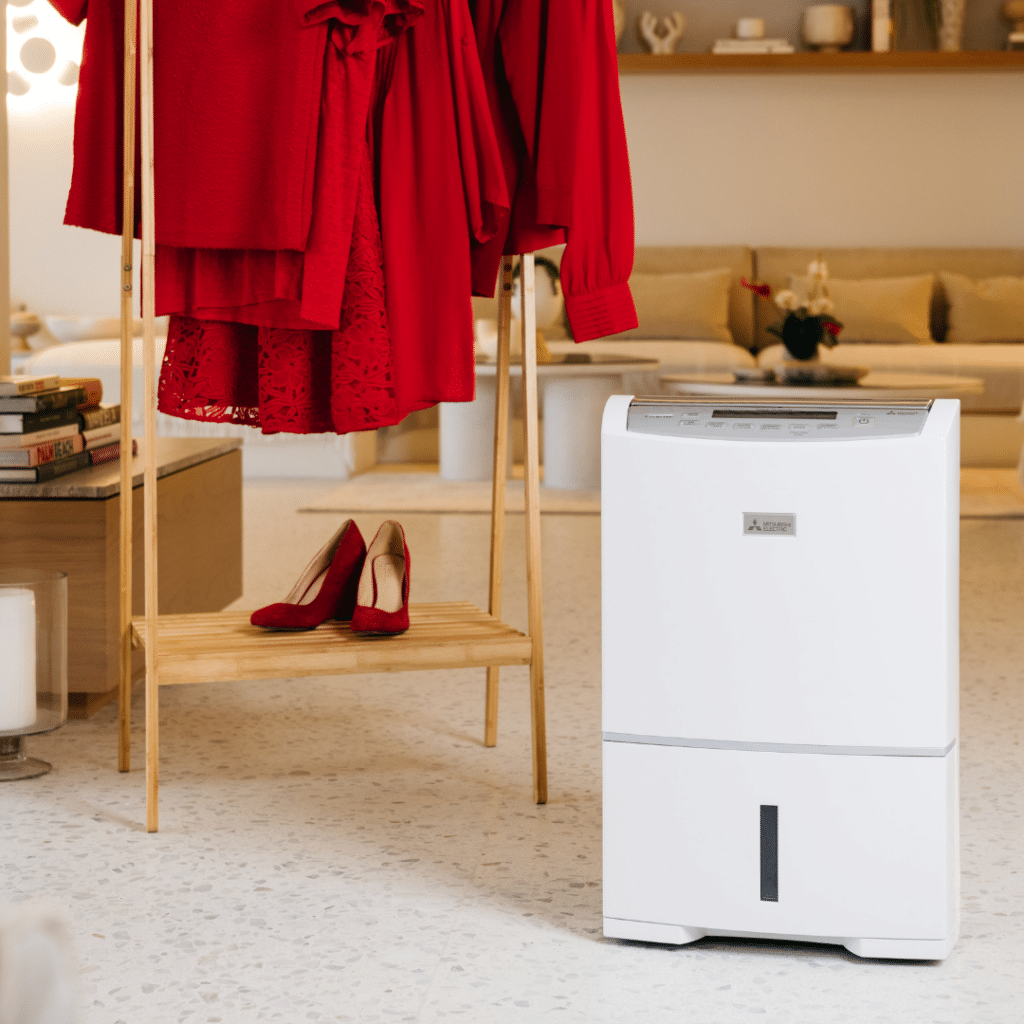
Air conditioners do more than just cool the air. They also help reduce moisture inside your home. This process is called dehumidification. It makes the air feel cooler and more comfortable. Understanding how air conditioners remove moisture helps explain why your room feels less sticky on hot days.
Moisture Removal Process
Air conditioners pull warm air from the room. Inside the unit, the air passes over cold coils. These cold coils cool the air below its dew point. Moisture in the air changes from gas to liquid. This process removes water vapor from the air. The dry, cooler air then returns to the room. This cycle repeats to keep humidity levels low.
Condensation And Drainage
Water vapor turns into liquid droplets on cold coils. This is called condensation. The water collects on the coils and drips into a drain pan. The drain pan directs the water outside through a pipe. This keeps moisture from building up inside the air conditioner. Proper drainage is essential to prevent leaks and mold growth.
Impact On Indoor Humidity
Removing moisture lowers indoor humidity levels. Lower humidity makes your home feel cooler without lowering temperature. It also helps reduce mold and dust mites. Dry air improves comfort and air quality. This makes air conditioners effective at controlling both temperature and humidity.
Types Of Air Conditioners And Dehumidification
Air conditioners do more than cool air. They also remove moisture. This process is called dehumidification. Different types of air conditioners handle moisture in unique ways. Understanding these differences helps choose the best unit for your needs.
Window Units
Window air conditioners are common and easy to install. They fit into a window frame. These units cool air by pulling warm air inside. Moisture condenses on cold coils and drains outside. This lowers indoor humidity while cooling the room. Window units work well for small spaces.
Split Systems
Split systems have two parts: indoor and outdoor units. The indoor unit blows cooled air into the room. Moisture from the air collects on the cooling coils inside. This water drains away through a pipe. Split systems are efficient and quiet. They handle larger spaces better than window units.
Portable Air Conditioners
Portable air conditioners move easily from room to room. They use a hose to vent hot air outside. These units also remove moisture from the air. Water collects in a tank or drains through a hose. Portable units provide flexibility but may not dehumidify as well as others.
Air Conditioners Vs. Dedicated Dehumidifiers
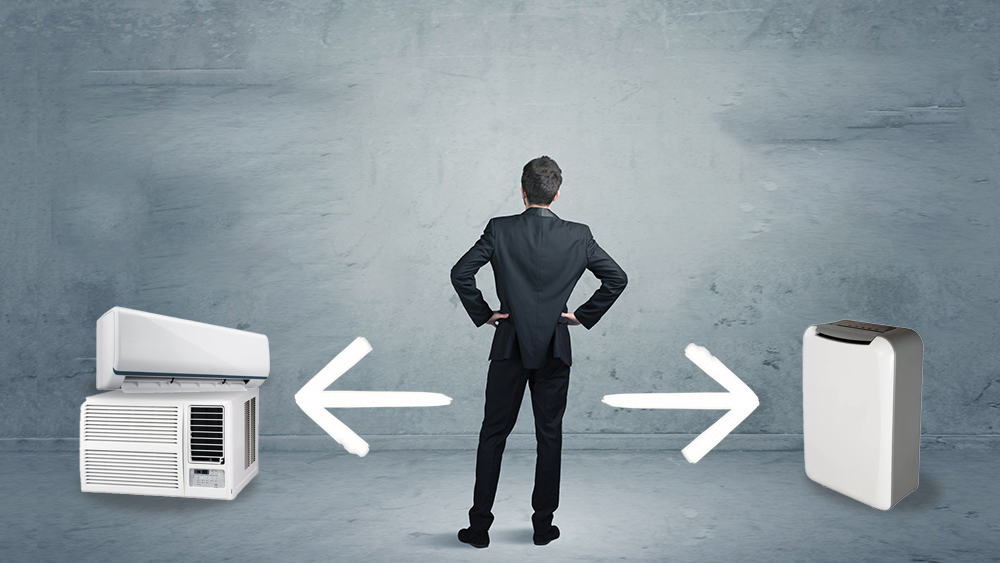
Air conditioners and dedicated dehumidifiers both reduce moisture in the air. They help keep your home comfortable and prevent mold growth. Each device works differently and suits different needs. Understanding their differences helps you choose the right one.
Efficiency Comparison
Air conditioners cool rooms and remove some moisture. They pull water from the air as part of the cooling process. Dedicated dehumidifiers focus only on removing moisture. They work well in damp areas without cooling the space. For strong humidity, dehumidifiers remove more moisture faster than air conditioners.
When To Use Each Device
Use air conditioners in hot weather to cool and reduce humidity. They are great for summer months when both cooling and dehumidifying are needed. Use a dehumidifier in cool or damp spaces like basements. Dehumidifiers keep humidity low without changing the temperature much. Choose based on your home’s temperature and moisture needs.
Energy Consumption Differences
Air conditioners use more energy because they cool and dry the air. Dehumidifiers use less energy since they only remove moisture. Running a dehumidifier can save power in mild weather. Using the right device can lower your electricity bills and keep your home comfortable.
Benefits Of Dehumidification
Dehumidification helps remove excess moisture from the air. This process brings many benefits for your home and health. Lower humidity levels make the space feel cooler and fresher. It also helps reduce problems caused by dampness.
Understanding these benefits shows why air conditioners with dehumidifying features are useful. They improve comfort, protect your home, and keep harmful mold away.
Improved Comfort
High humidity makes the air feel sticky and hot. Dehumidification lowers moisture, making rooms more comfortable. You can enjoy cooler air without lowering the temperature too much. It helps reduce sweating and tiredness. This makes living spaces more pleasant, especially in summer.
Mold And Mildew Prevention
Mold and mildew grow fast in damp environments. Dehumidifying the air reduces moisture that feeds these fungi. This keeps your home healthier by lowering mold risks. It also helps prevent bad smells caused by mildew. Cleaner air protects your lungs and reduces allergy symptoms.
Protection Of Home And Belongings
Excess moisture can damage walls, furniture, and electronics. Dehumidification protects your belongings from water damage. Wooden items stay strong and do not warp. Paint and wallpaper last longer without peeling. This saves money on repairs and replacements.
Credit: cielowigle.com
Common Misconceptions
Many people think air conditioners remove all moisture from the air. This is not always true. There are common myths about how air conditioners handle humidity. Clearing up these ideas helps you use your air conditioner better. It also saves energy and improves comfort.
Air Conditioners As Sole Dehumidifiers
Some believe air conditioners work only as dehumidifiers. The main job of an air conditioner is to cool air. It also removes some moisture by cooling the air below its dew point. This causes water to collect and drain away. But air conditioners are not designed to control humidity fully. They do not replace a real dehumidifier in very humid places.
Humidity Levels And Temperature Settings
Many think setting the temperature lower dries the air more. Lower temperatures do reduce humidity slightly. But this also makes your room very cold and wastes energy. Air conditioners work best at moderate temperatures. A balanced setting keeps you cool and controls moisture without extra cost.
Maintenance And Performance
Dirty filters and coils reduce how well an air conditioner removes moisture. Poor maintenance can cause higher humidity inside. Regular cleaning and servicing keep your unit working well. Good upkeep helps your air conditioner cool and dehumidify efficiently.
Tips To Enhance Dehumidification
Air conditioners help reduce humidity in your home. To get the best dehumidifying effect, follow simple tips. These tips improve comfort and keep your space dry. They also help your air conditioner work better and last longer.
Optimal Thermostat Settings
Set your thermostat to a moderate temperature. Too low can cause excess moisture buildup. Around 75°F (24°C) works well for most rooms. Avoid rapid temperature changes to keep humidity steady. Use the “auto” fan setting to save energy and reduce humidity.
Regular Maintenance Practices
Clean or replace filters every month. Dirty filters block airflow and reduce dehumidification. Check the coils for dust and dirt. Clean them gently to improve cooling and moisture removal. Clear the drain line to stop water backup and leaks. Schedule professional checks yearly to keep your unit efficient.
Using Fans And Ventilation
Use fans to move air around your home. This helps air conditioners remove moisture faster. Open windows in dry weather to let fresh air in. Use exhaust fans in kitchens and bathrooms to remove humid air. Good ventilation lowers indoor humidity and improves comfort.
Credit: www.pnnl.gov
Frequently Asked Questions
Do Air Conditioners Remove Humidity From The Air?
Yes, air conditioners naturally remove humidity by cooling air. They condense moisture, reducing indoor humidity levels and improving comfort.
How Effective Are Air Conditioners At Dehumidifying?
Air conditioners moderately dehumidify as a secondary function. Their primary role is cooling, but they still reduce indoor moisture effectively.
Can Air Conditioners Cause Dryness In The Room?
Yes, air conditioners can cause dryness by removing moisture. This can lead to dry skin or throat if humidity drops too low.
Does Running An Ac Help With Mold Prevention?
Running an AC helps reduce humidity, limiting mold growth. Lower moisture levels create a less favorable environment for mold to develop.
Conclusion
Air conditioners do remove some moisture from the air. This helps make rooms feel cooler and less sticky. But they are not designed to work like dehumidifiers. If you need strong moisture control, a separate dehumidifier works better. Using both can improve comfort in humid places.
Keep your air conditioner clean for best performance. Understanding how your AC works helps you stay comfortable all year. Simple steps can make a big difference in your home’s air quality.
As an Amazon Associate, I earn from qualifying purchases.