Are you worried that running an air purifier might spike your electricity bill? You’re not alone.
Many people wonder if these machines, designed to keep your indoor air clean, use a lot of electricity. The truth is, understanding how much power your air purifier consumes can help you make smarter choices for your home and your budget.
Keep reading, and you’ll discover simple facts that could change the way you think about air purifiers—and your energy use.

Credit: smartairfilters.com
How Air Purifiers Work
Air purifiers clean the air in your home or office. They remove dust, pollen, smoke, and other tiny particles. These devices use different methods to trap or kill pollutants. Understanding how they work helps explain their energy use.
Types Of Air Purifiers
HEPA air purifiers use a filter to trap small particles. They pull air through a fine mesh that catches dust and allergens.
Activated carbon purifiers remove odors and gases by absorbing them. They work well for smoke and chemical smells.
UV air purifiers kill bacteria and viruses using ultraviolet light. This method disinfects the air but usually needs a fan to move air through.
Ionizers release charged ions to make particles stick to surfaces. They need less power but can produce small ozone amounts.
Common Features Affecting Power Use
Fans are the main power users in air purifiers. Stronger fans clean air faster but use more electricity.
Filters do not use electricity but need replacing over time. Dirty filters make fans work harder and consume more power.
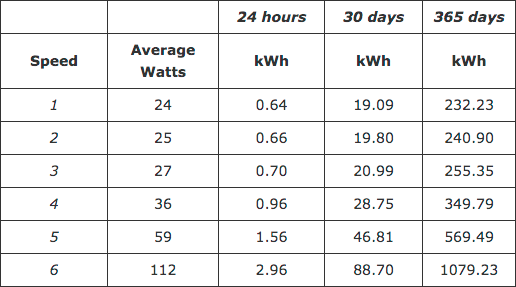
Settings like speed and timer affect energy use. Higher speeds use more electricity, while timers can save power by turning off the device.
Size matters. Larger purifiers with bigger fans usually consume more energy than smaller units.
Credit: help.molekule.com
Electricity Consumption Factors
Electricity consumption of air purifiers depends on several factors. These factors affect how much power the device uses daily. Understanding them helps to choose the right air purifier and save on electricity bills.
Two main aspects influence electricity use: the air purifier’s power rating and its fan speed settings. Both play a key role in energy efficiency and performance.
Power Ratings Explained
Power rating shows how much electricity an air purifier needs to run. It is measured in watts (W). A higher watt number means the device uses more energy.
Small air purifiers may use 20 to 50 watts. Larger models can use 100 watts or more. Checking the power rating on the label helps estimate electricity costs.
Impact Of Fan Speed Settings
Fan speed directly changes the electricity used by the air purifier. Higher speeds use more power to clean air faster.
Running the fan at low speed saves energy but cleans air slower. Medium or high speeds improve air quality but increase electricity use.
Many air purifiers let users choose speed settings. Adjusting speed based on room size and air quality can balance power use and performance.
Comparing Energy Use
Understanding how much electricity air purifiers use helps you manage energy costs. Comparing their energy use to other home appliances offers clear insight. You can see which devices consume more power and which are more efficient. This knowledge helps you make smart choices for your home and budget.
Air Purifiers Vs Other Appliances
Air purifiers use less electricity than many common appliances. For example, they consume far less power than air conditioners or heaters. A typical air purifier uses about 30 to 60 watts per hour. In contrast, an air conditioner can use 1000 watts or more. Even a refrigerator uses more energy than most air purifiers. This means air purifiers are relatively low energy users in the home.
Energy Efficiency Ratings
Energy efficiency ratings show how much power a device uses compared to its output. Many air purifiers have Energy Star ratings, which means they use electricity wisely. These devices clean air effectively without wasting power. Look for purifiers with good efficiency ratings to save on bills. Efficient models often have features like smart sensors and low-power modes. Choosing an energy-efficient purifier benefits your wallet and the environment.
Cost Of Running An Air Purifier
Running an air purifier adds to your home’s electricity use. Knowing the cost helps you manage your budget well. Air purifiers differ in power use based on size and features. Some use more electricity than others. Understanding typical costs can guide your choice.
Average Monthly Electricity Costs
Most air purifiers use between 30 to 60 watts. Running one for 8 hours daily costs about $1 to $5 each month. Larger units or those with extra features may cost more. Small, energy-efficient models keep electricity costs low. Check the wattage on your air purifier’s label. Multiply by hours used daily to estimate usage.
Ways To Reduce Energy Bills
Use the air purifier only when needed. Run it in rooms where you spend most time. Choose models with energy-saving modes or timers. Clean or replace filters regularly for better efficiency. Position the purifier away from walls to improve airflow. Lower fan speed saves energy without losing air quality.
Energy-saving Tips
Energy-saving tips help reduce electricity use by air purifiers. They keep your home fresh without high bills. Small changes can make a big difference in power consumption.
Choosing the right air purifier size and using timers or sensors are smart ways to save energy. These methods keep the device running only when needed.
Choosing The Right Size
Select an air purifier that fits your room size. A small unit in a large room works too hard and uses more power. A large unit in a small room wastes energy.
Check the purifier’s recommended square footage. Match it closely to your room to avoid excess electricity use. This simple step saves power and improves air cleaning.
Using Timers And Sensors
Use timers to run the purifier only during certain hours. This stops it from running all day and night. Timers help control energy use without losing air quality.
Sensors detect air quality and adjust the purifier’s speed. This means it runs faster only when needed. Sensors reduce electricity use by avoiding constant high power.
Myths About Air Purifier Energy Use
Many people worry about the electricity cost of running air purifiers. Myths about their energy use spread confusion. Some believe air purifiers use too much power. Others think they can spike your electric bill. These ideas stop some from buying a purifier. It is important to know the facts. Understanding energy use helps you make smart choices.
Air purifiers come in different sizes and power levels. Not all use the same amount of electricity. Knowing the truth clears up wrong ideas about these devices.
Debunking Common Misconceptions
One myth says air purifiers use as much power as heaters. This is not true. Most purifiers use less power than a light bulb. Another myth claims they run non-stop at full power. Many models have sensors to adjust speed. They only use more electricity when needed. Some think bigger purifiers waste more energy. But size often means better efficiency, not more power use.
What Experts Say
Experts confirm air purifiers are energy efficient. They recommend checking the wattage before buying. Many air purifiers use between 20 to 60 watts. Running one all day costs only a few cents. Experts suggest using purifiers with Energy Star ratings. These models meet strict energy-saving rules. They also advise turning off purifiers in empty rooms. Smart use lowers electricity bills without losing clean air benefits.

Credit: smartairfilters.com
Frequently Asked Questions
Do Air Purifiers Consume A Lot Of Electricity?
Air purifiers use low to moderate electricity, typically between 20 to 100 watts. Energy-efficient models consume less power while maintaining air quality, making them cost-effective for daily use.
How Much Does An Air Purifier Cost To Run Monthly?
Running an air purifier usually costs $1 to $5 per month. The exact cost depends on the model’s wattage and daily usage hours.
Can Air Purifiers Increase Your Electric Bill Significantly?
No, air purifiers generally add minimal cost to your electric bill. Energy-efficient units are designed to operate without high electricity consumption.
What Factors Affect Air Purifier Electricity Usage?
Electricity use depends on the purifier’s power rating, fan speed, and running duration. Higher settings and longer use increase energy consumption.
Conclusion
Air purifiers do not use a lot of electricity. Most models consume only a small amount of power. Running them daily won’t cause high electric bills. Choosing energy-efficient models helps save even more. Remember to use the right settings for your room size.
Proper use means cleaner air without wasting energy. Clean air and low electricity costs can go hand in hand. It’s a smart choice for healthy living and saving money. Simple steps make a big difference in energy use.
As an Amazon Associate, I earn from qualifying purchases.