Have you ever wondered if your coffee maker actually boils water? You might assume it does, but the truth could surprise you.
Understanding how your coffee maker works can change the way you enjoy your morning brew. You’ll discover what really happens inside your machine and why it matters for your coffee’s taste and safety. Keep reading to uncover the facts that every coffee lover should know.
How Coffee Makers Heat Water
Coffee makers use heat to turn cold water into warm water for brewing. This process happens inside the machine quietly and quickly. Different coffee makers use different ways to heat water. Understanding these methods helps explain how coffee makers work.
Types Of Heating Elements
Most coffee makers use electric heating elements. These are small metal parts that heat up when electricity passes through them. Some use a heating plate under the water reservoir. Others have a coil or tube that water flows through and heats up. The type of heating element affects how fast and evenly the water heats.
Some coffee makers use thermoblocks. These are metal blocks with channels for water. The block heats up quickly and warms the water as it moves through. This method is common in single-serve machines. It offers fast heating and consistent temperature.
Temperature Range During Brewing
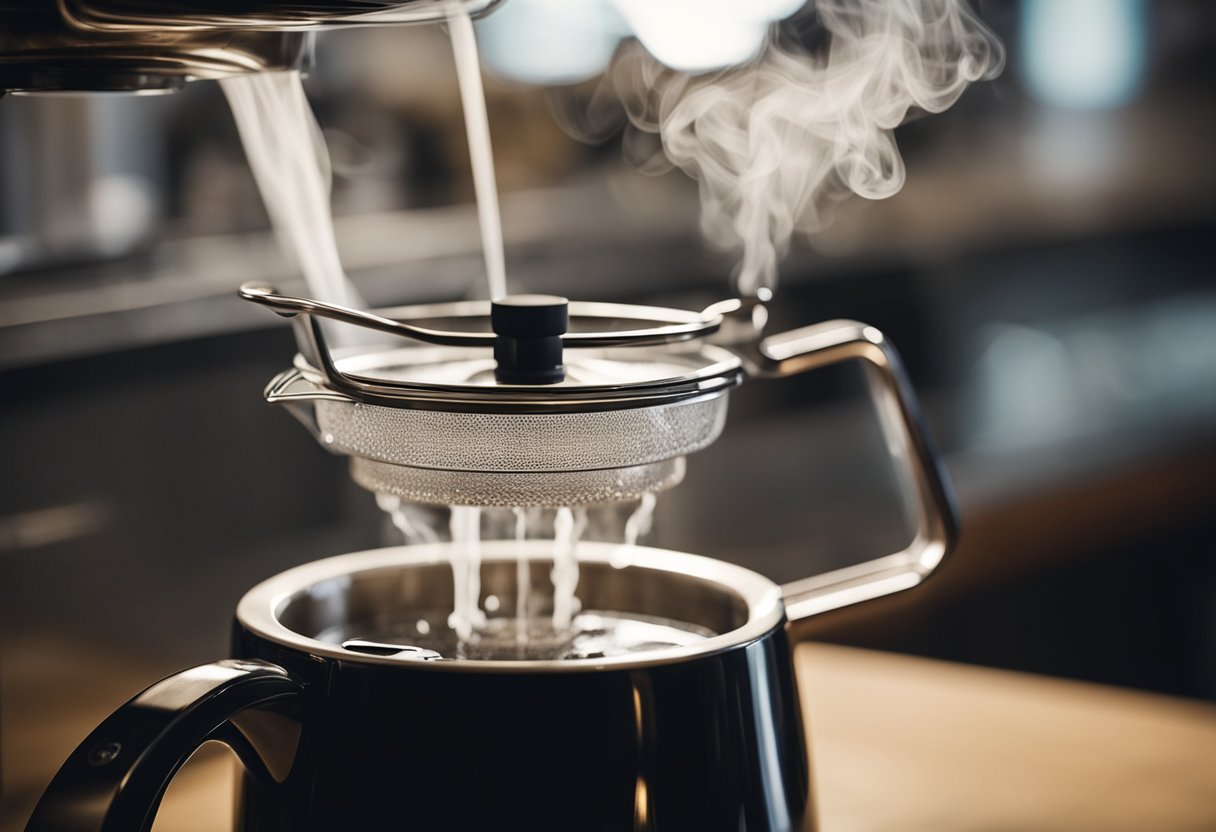
The ideal water temperature for brewing coffee is between 195°F and 205°F (90°C to 96°C). Coffee makers heat water within this range to extract flavors well. Water below this range may under-extract coffee, making it taste weak. Water above this range can burn the coffee, causing bitterness.
Most coffee makers keep water just below boiling point during brewing. Boiling water is 212°F (100°C). Some machines reach this temperature briefly but usually cool water slightly before brewing. This control helps produce a balanced cup of coffee.
Credit: therestaurantauthority.com
Boiling Point Vs Brewing Temperature
Understanding the difference between boiling water and brewing coffee is key to great taste. Many wonder if coffee makers boil water or just heat it. The boiling point of water and the best brewing temperature do not always match. This section explains both to clarify how coffee makers work and why temperature matters.
What Is The Boiling Point Of Water?
Water boils at 212°F (100°C) at sea level. Boiling means water turns to steam and bubbles rapidly. Most coffee makers do not reach this full boil. Instead, they heat water to a slightly lower temperature. This helps avoid over-extraction and bitter coffee flavors. The boiling point also changes with altitude. Higher places have lower boiling points.
Optimal Brewing Temperatures For Coffee
The best coffee taste comes from water heated between 195°F and 205°F (90°C to 96°C). This range extracts coffee oils and flavors well. Water too hot can burn coffee grounds and taste bitter. Water too cool under-extracts, making coffee weak and sour. Coffee makers aim to keep water in this ideal range. This balance makes a smooth and tasty cup.
Why Coffee Makers Don’t Reach Boiling
Coffee makers do not heat water to a full boil. The water temperature usually stays below 212°F (100°C). This is an intentional choice by manufacturers. Boiling water can cause problems for both the machine and the taste of coffee. Understanding why coffee makers avoid boiling helps explain their design and brewing process.
Design And Safety Considerations
Most coffee makers heat water to about 195°F to 205°F. This range is hot enough to brew coffee well. Boiling water creates steam pressure that can damage parts. Machines might leak or break if water boils inside. Safety is a key reason for limiting water temperature. It also protects users from burns caused by boiling water splashes.
Impact On Coffee Flavor
Boiling water can burn coffee grounds. This leads to a bitter and harsh taste. Water below boiling extracts flavors gently. It brings out the coffee’s natural sweetness and aroma. Brewing at lower temperatures improves the overall cup quality. That is why coffee makers keep water just under boiling.
Credit: www.reddit.com
Differences Across Coffee Maker Types
Coffee makers vary in how they heat water. Some boil water fully, while others only warm it. Understanding these differences helps you choose the right machine for your needs. Each type uses a unique method to prepare your coffee.
Drip Coffee Makers
Drip coffee makers heat water to about 200°F (93°C). This is just below boiling point. The hot water slowly passes through coffee grounds. It brews coffee but does not boil the water. This temperature helps extract flavors without burning the coffee.
Espresso Machines
Espresso machines force hot water through finely ground coffee. The water temperature ranges from 190°F to 205°F (88°C to 96°C). Some machines boil water briefly to create steam. This steam helps make espresso and froth milk. The water heats quickly but does not stay boiling.
Single-serve Brewers
Single-serve brewers use pods or capsules. They heat water to nearly boiling point. The water passes through the pod under pressure. This extracts coffee quickly and cleanly. These machines often reach temperatures close to 200°F (93°C). They do not keep water boiling for long.
Effects Of Water Temperature On Coffee Taste
Water temperature plays a big role in how coffee tastes. It affects the way flavors come out of the coffee grounds. Too hot or too cold water changes the balance of flavors. This can make coffee taste bitter, sour, or weak. Understanding water temperature helps make better coffee at home.
Different temperatures pull different tastes from the coffee. This is why many coffee makers try to heat water just right. The right heat helps get the best flavor and aroma from the beans. It also controls how quickly the coffee brews.
Under-extraction Vs Over-extraction
Under-extraction happens when water is too cool or the brewing time is too short. Coffee tastes sour or weak. Important flavors do not come out fully. The coffee may seem watery or sharp.
Over-extraction happens when water is too hot or the brew time is too long. Coffee tastes bitter or burnt. Too many compounds come out of the grounds. This makes the coffee harsh and unpleasant.
Temperature’s Role In Flavor Profiles
Water temperature changes which flavors appear in coffee. Hot water releases oils and acids that add richness and sweetness. Cooler water highlights fruity and bright notes but can miss deeper flavors.
The ideal water temperature is usually between 195°F and 205°F. This range balances taste and aroma well. It helps extract the right amount of flavor without causing bitterness or sourness.
Myths About Boiling Water In Coffee Brewing
Many people believe that coffee makers boil water during brewing. This idea is common but not always true. Understanding this myth helps improve your coffee experience. Knowing how water temperature affects coffee taste is key. Let’s explore the facts and myths about boiling water in coffee makers.
Common Misconceptions
Many assume coffee makers boil water to brew coffee. People think boiling water is best for coffee extraction. Some say boiling water removes all flavors from coffee beans. Others believe coffee makers must reach 212°F for proper brewing. These ideas cause confusion about coffee quality and equipment.
Science Behind The Myths
Coffee makers usually heat water to about 195°F to 205°F. This range extracts the best flavors from coffee grounds. Boiling water at 212°F can burn coffee, causing bitterness. Modern coffee makers control temperature carefully for better taste. Science shows boiling is not needed for good coffee.
Tips For Better Brewing Temperature Control
Getting the right temperature for brewing coffee is key to a great cup. Too hot or too cold water can change the taste. Controlling the temperature helps bring out the best flavors from your coffee beans. Here are some tips to keep your brewing temperature just right.
Using Temperature-controlled Kettles
Temperature-controlled kettles let you set the exact heat for your water. They keep water steady at the right temperature for brewing. This tool gives you more control than a regular kettle. It helps avoid burning coffee or making it taste weak.
These kettles are easy to use. Just pick the temperature, and the kettle does the rest. You can brew coffee at the ideal 195°F to 205°F range. This small step improves your coffee’s flavor a lot.
Adjusting Coffee Maker Settings
Some coffee makers allow you to change the water temperature. Check your machine’s manual to see if this option exists. Setting a lower or higher temperature can affect how your coffee tastes.
Try different settings to find what suits your coffee best. Keep notes on what works well. Even small changes can make a big difference in taste. This way, you can enjoy a better cup every time.
Credit: 1130thetiger.com
Frequently Asked Questions
Do Coffee Makers Actually Boil Water?
Most coffee makers heat water to just below boiling, around 195-205°F (90-96°C). This temperature extracts coffee flavors well but is slightly below boiling point.
Can I Use A Coffee Maker To Boil Water For Tea?
Coffee makers don’t fully boil water, so they may not be ideal for tea. Electric kettles are better for quickly boiling water.
Why Doesn’t Coffee Water Reach A Full Boil?
Coffee makers maintain water below boiling to avoid bitter coffee. Boiling water can scorch grounds and affect taste negatively.
Is Water Temperature Important In Coffee Brewing?
Yes, water temperature impacts coffee flavor extraction. Ideal brewing temperature is between 195°F and 205°F for balanced taste.
Conclusion
Coffee makers heat water but usually do not boil it fully. They reach a temperature below boiling point. This is enough to brew coffee well. For boiling water, a kettle or stove works better. Knowing this helps you choose the right tool.
Use your coffee maker for brewing, not boiling. Simple and clear—coffee makers serve a specific purpose. Understanding this can save time and effort in the kitchen.
As an Amazon Associate, I earn from qualifying purchases.