Mold is a common problem in many homes. It grows in places that are wet and damp. Mold can cause bad smells and damage walls, furniture, and clothes. It can also make people sick. Many people wonder if dehumidifiers can help stop mold from growing. In this article, we will explain what mold is, how it grows, and if dehumidifiers can help with it.
What is Mold?
Mold is a type of fungus. It grows in wet places where there is little air movement. Mold looks like spots or patches. It can be black, green, white, or other colors. Mold spreads by releasing tiny spores into the air. These spores can land on wet surfaces and start new mold growth.
Why Does Mold Grow?
Mold needs three things to grow:
- Moisture: Water or dampness is essential for mold growth.
- Warmth: Mold grows better in warm temperatures.
- Food: Mold feeds on materials like wood, paper, and dust.
If you remove one of these, mold cannot grow well.
How Does Moisture Cause Mold?
Moisture is the most important factor for mold growth. Water comes from many sources in the home:
- Leaks in pipes or walls
- High humidity in the air
- Condensation on windows and walls
- Wet floors or carpets
When moisture stays on surfaces for a long time, mold can start to grow.
What is a Dehumidifier?
A dehumidifier is a machine that removes moisture from the air. It works like a refrigerator. It pulls in humid air, cools it, and collects water. Then it releases dry air back into the room. This lowers the humidity level in your home.
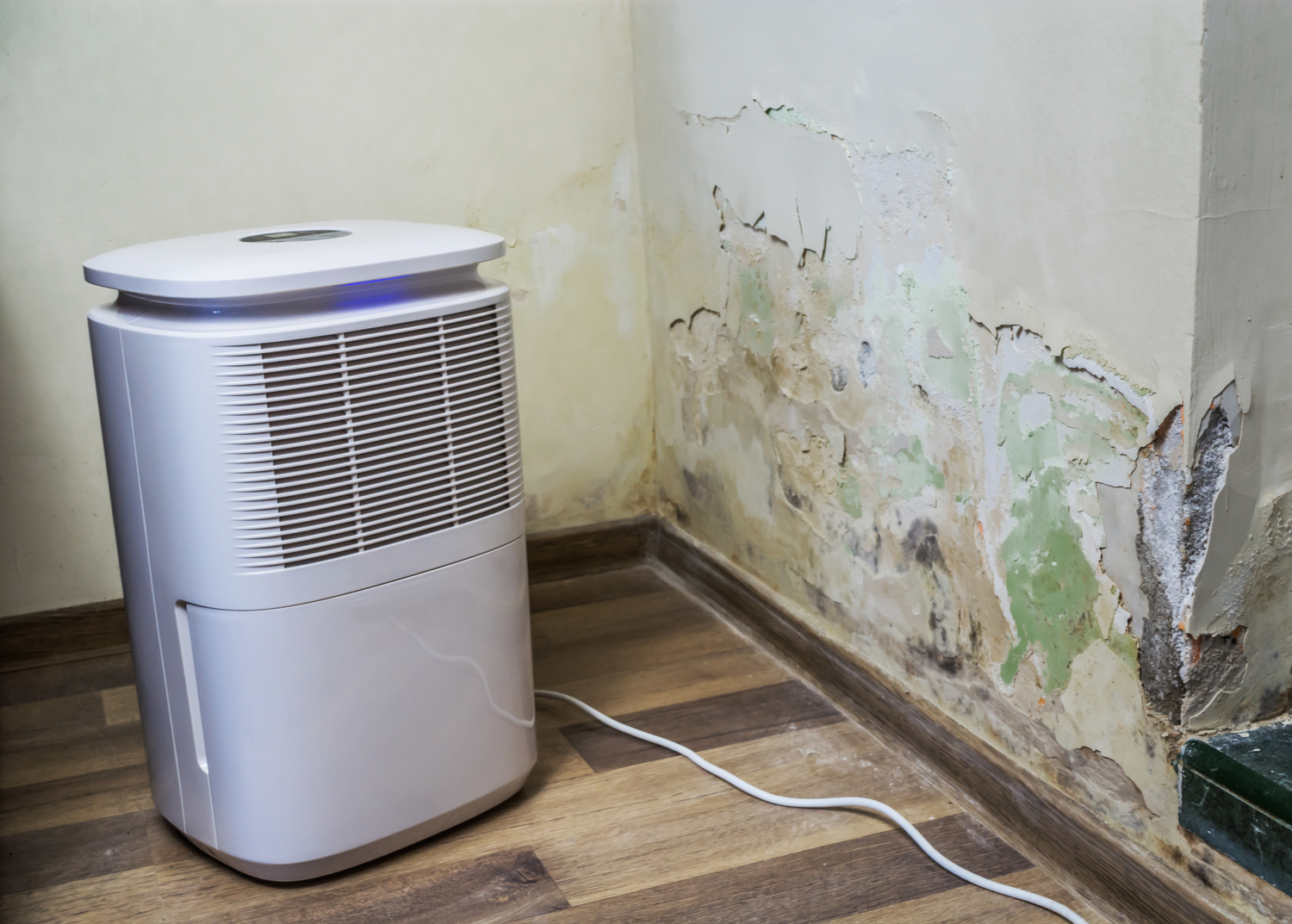
Credit: watermoldfire.net

Credit: moldremovalportstlucie.com
Do Dehumidifiers Help With Mold?
Since mold needs moisture, lowering humidity can help stop mold growth. Dehumidifiers reduce the amount of water in the air. This makes the environment less friendly for mold.
Here are some ways dehumidifiers help with mold:
- They keep humidity below 50%, which is safer.
- They dry out damp areas like basements and bathrooms.
- They stop condensation on cold surfaces.
- They reduce moisture in the air that mold spores need.
Where Should You Use a Dehumidifier?
Dehumidifiers work best in places where mold grows easily. These include:
- Basements
- Bathrooms
- Closets
- Kitchens
- Rooms with poor ventilation
Using a dehumidifier in these areas can help keep mold away.
Other Ways to Prevent Mold
Using a dehumidifier is good, but not enough alone. You should also:
- Fix leaks in pipes and roofs quickly
- Clean and dry wet areas right away
- Use fans or open windows to increase air flow
- Clean moldy spots with soap and water
- Use mold-resistant paint in damp rooms
These steps help stop mold from coming back.
How to Use a Dehumidifier Properly
Follow these tips to get the best results:
- Place the dehumidifier in the dampest room
- Keep doors and windows closed while running it
- Empty the water tank regularly
- Clean or replace the filter as needed
- Set the humidity level to about 40-50%
Doing these things helps the machine work well and protect your home.
Signs You Need a Dehumidifier
How do you know if your home needs a dehumidifier? Look for these signs:
- Musty or damp smell in rooms
- Water drops or condensation on windows
- Visible mold spots on walls or ceilings
- Peeling paint or wallpaper
- Feeling damp or sticky air
If you see these, a dehumidifier can help improve the air quality.
Limitations of Dehumidifiers for Mold
Dehumidifiers help reduce mold but are not a full solution. They cannot remove mold already on surfaces. You must clean mold with proper methods. Also, if there is a big water leak, a dehumidifier alone cannot fix it.
Think of a dehumidifier as a tool. It helps control humidity but does not fix all problems. You still need to keep your home dry and clean.
Summary: Do Dehumidifiers Help With Mold?
| Question | Answer |
|---|---|
| What causes mold? | Moisture, warmth, and food sources. |
| How do dehumidifiers work? | They remove moisture from the air. |
| Can dehumidifiers stop mold? | They reduce humidity, which helps prevent mold. |
| Do dehumidifiers remove mold? | No, they do not clean mold already present. |
| Where to use dehumidifiers? | In damp areas like basements and bathrooms. |
In short, dehumidifiers help reduce the chance of mold growth. They keep your home drier and healthier. But always fix leaks, clean mold, and improve ventilation too. Together, these actions keep your home safe and fresh.
Final Thoughts
Dehumidifiers are a useful tool for mold control. They lower moisture in the air, making mold less likely. Use them in damp spots and maintain them well. Remember, no machine replaces good cleaning and home care.
By managing humidity and moisture, you protect your home. You protect your family’s health too. So, yes, dehumidifiers do help with mold, but they are part of a bigger solution.
Frequently Asked Questions
Do Dehumidifiers Prevent Mold Growth At Home?
Dehumidifiers reduce indoor moisture, which helps stop mold from growing. Mold needs damp air to spread, so less moisture means less mold risk.
How Does A Dehumidifier Reduce Mold In Basements?
Basements are often damp, making mold growth common. A dehumidifier lowers humidity, keeping the space dry and mold-free.
Can Dehumidifiers Remove Existing Mold Spores?
Dehumidifiers do not remove mold spores directly. They control moisture, making the environment less suitable for mold to grow.
What Humidity Level Stops Mold Growth Effectively?
Keeping indoor humidity below 50% helps prevent mold. Most dehumidifiers have settings to maintain this ideal level.
As an Amazon Associate, I earn from qualifying purchases.