Are you tired of waking up to a damp, musty smell in your home? Does your skin feel sticky, or do you notice mold growing in corners?
These are signs that excess moisture might be affecting your living space—and your health. But do you really need a dehumidifier to fix this? This guide will help you discover whether a dehumidifier is the missing piece to making your home more comfortable, healthier, and fresher.
Keep reading to find out how to take control of humidity and protect your space from hidden damage.
Signs You Need A Dehumidifier
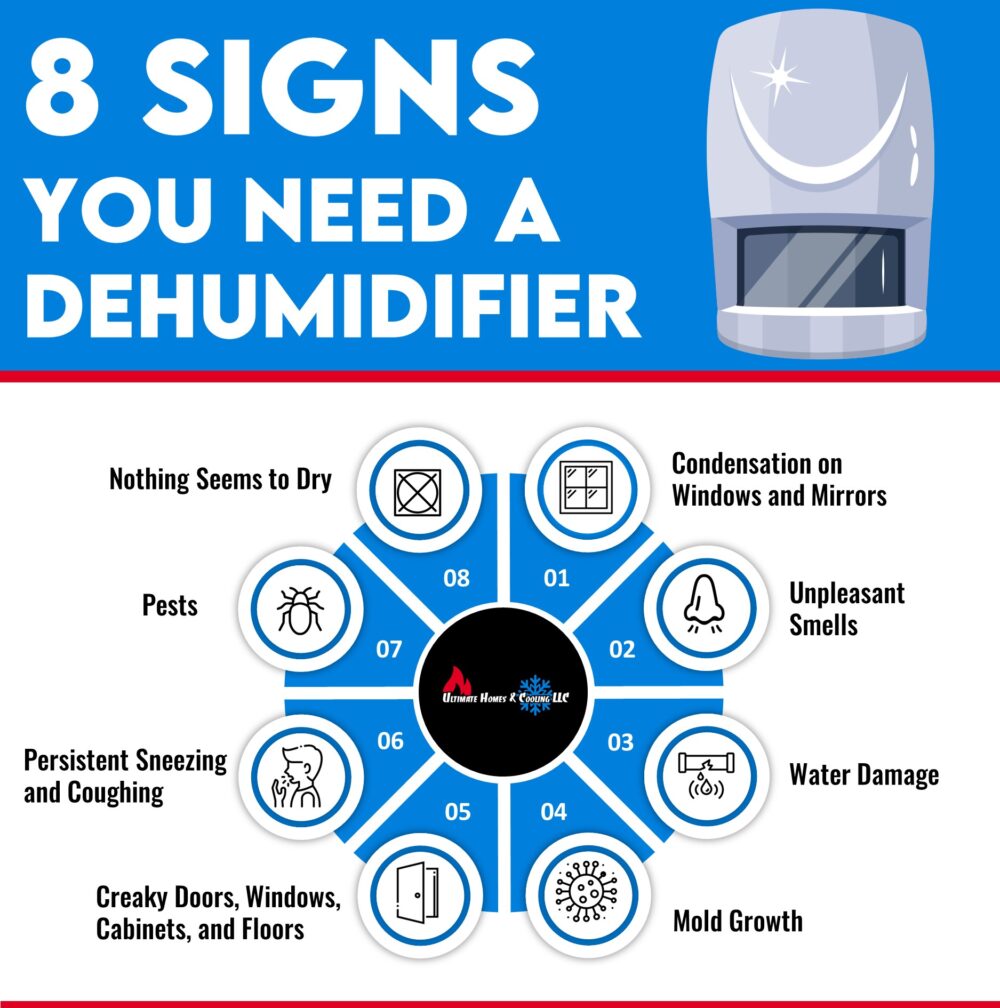
Knowing the signs that point to the need for a dehumidifier can help protect your home and health. Excess moisture creates many problems inside living spaces. It can damage walls, furniture, and personal items. It also harms air quality and comfort. Recognizing these signs early can save time and money.
Musty Odors And Damp Smells
Musty odors often mean high humidity in the air. These smells come from mold or mildew growth. A damp smell in rooms, closets, or basements shows moisture buildup. Such odors rarely go away without fixing the moisture problem. A dehumidifier can remove excess humidity and stop the smell.
Visible Mold And Mildew
Seeing mold or mildew on walls, ceilings, or furniture signals too much moisture. Mold grows fast in damp places. It can appear as black, green, or white patches. Mold damages surfaces and lowers indoor air quality. Removing mold without solving humidity will not help. A dehumidifier reduces moisture and stops mold growth.
Condensation On Windows
Water droplets on windows show indoor air holds too much moisture. Condensation happens when warm, moist air meets cold glass. This can cause wood frames to rot and paint to peel. Persistent condensation means the home needs better humidity control. Using a dehumidifier helps keep moisture at safe levels.
Allergy And Respiratory Issues
High humidity can worsen allergies and breathing problems. Dust mites and mold thrive in moist air and trigger symptoms. Sneezing, coughing, or itchy eyes may increase indoors. People with asthma often feel worse in humid rooms. A dehumidifier lowers moisture, improving air quality and comfort.
Credit: ultimatehomescooling.com
Health Benefits Of Dehumidifiers
Dehumidifiers offer several health benefits by managing indoor moisture. High humidity can cause many health problems. Using a dehumidifier helps create a healthier living space.
Reducing Allergens
Allergens like dust mites and pet dander thrive in damp environments. A dehumidifier lowers moisture, making it harder for allergens to grow. This reduces allergy symptoms and helps people breathe easier.
Preventing Mold Growth
Mold grows quickly in humid spaces. Mold spores can cause respiratory issues and trigger asthma attacks. Dehumidifiers keep humidity levels low, stopping mold from spreading and improving home safety.
Improving Air Quality
High humidity makes air feel heavy and uncomfortable. Dehumidifiers remove excess moisture, making air fresher and cleaner. Better air quality supports overall health and comfort indoors.
Choosing The Right Dehumidifier
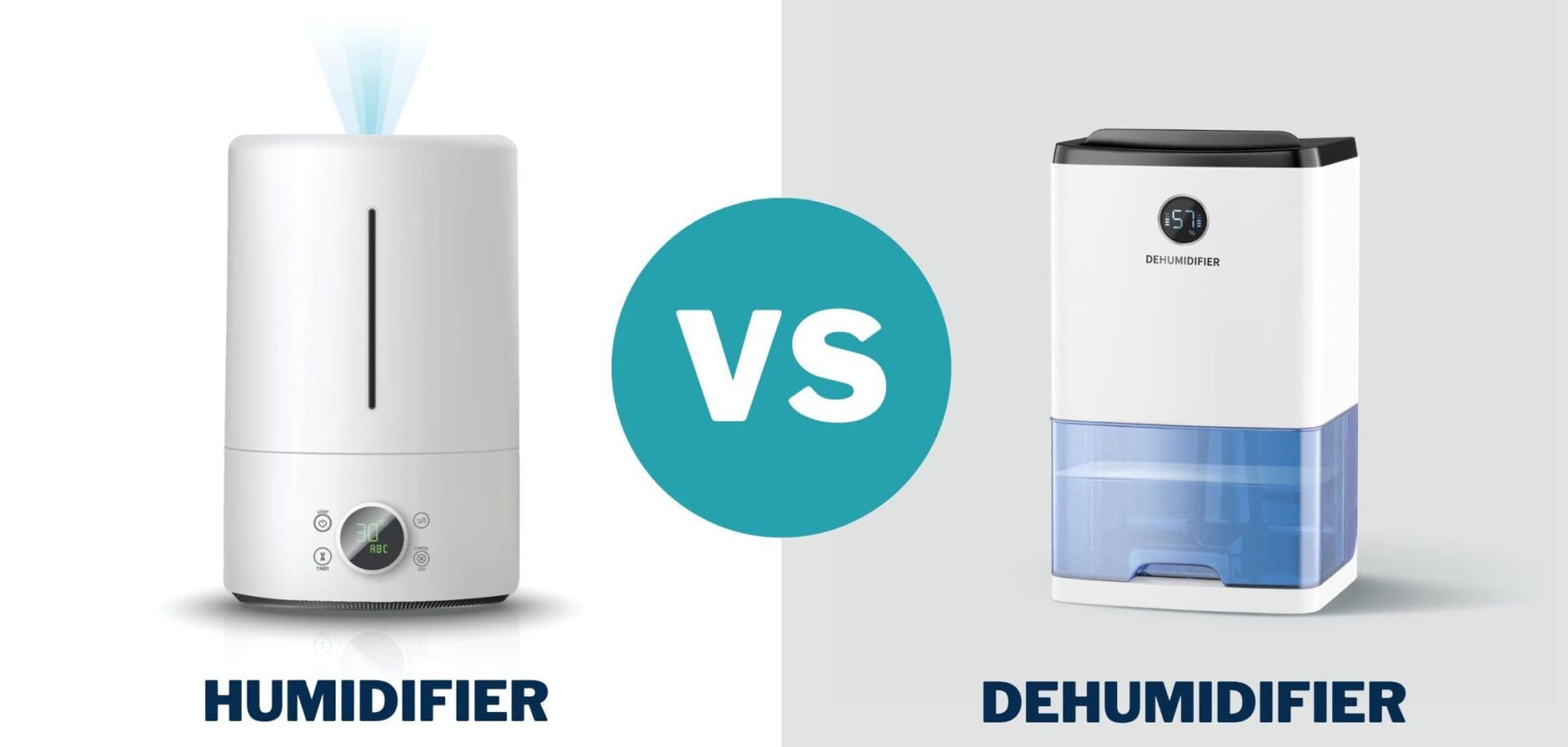
Choosing the right dehumidifier is key for a comfortable home. It helps control moisture, stops mold, and improves air quality. Picking a model that fits your needs saves money and energy. Consider factors like room size, energy use, noise, and upkeep. These details make a big difference in daily use.
Room Size And Capacity
Match the dehumidifier size to your room size. Small rooms need less power, large rooms need more. Check the unit’s capacity, usually measured in pints per day. A higher capacity removes more moisture quickly. Using a small unit in a big room wastes energy.
Energy Efficiency
Choose a dehumidifier with a good energy rating. Energy-efficient models cost less to run. They use less electricity but work well. Look for the ENERGY STAR label. It shows the unit meets energy-saving standards. Saving energy also helps the environment.
Noise Levels
Noise matters, especially in bedrooms or offices. Some dehumidifiers run quietly. Others can be loud and distracting. Check the decibel level before buying. A quiet unit lets you sleep or work peacefully. Noise can affect comfort and focus.
Maintenance Requirements
Easy maintenance saves time and effort. Look for models with simple water tank removal. Some have auto shut-off when full. Clean filters and tanks regularly to keep performance high. Low-maintenance units reduce hassle and last longer.
Credit: performanceac.com
Placement Tips For Maximum Effectiveness
Proper placement of a dehumidifier boosts its performance and energy use. Small changes in location can improve air quality faster. This guide helps place the device for best results and comfort.
Ideal Rooms For Use
Basements often have high humidity. A dehumidifier here stops mold and damp smells. Bathrooms also benefit because steam builds up quickly. Laundry rooms trap moisture from wet clothes. Bedrooms can feel fresher and reduce allergy triggers.
Choose rooms with poor air circulation or water problems. The device works best in closed spaces. Open areas lose moisture control faster. A well-placed dehumidifier keeps the air dry and healthy.
Avoiding Common Placement Mistakes
Do not place the dehumidifier near walls or furniture. Leave space around it for air to flow freely. Avoid corners because they trap moisture and block airflow. Keep it away from heat sources to prevent false humidity readings.
Do not put the device on carpet or soft surfaces. This blocks air intake and can damage the unit. Place it on a flat, hard surface for stability and efficiency. Proper placement extends the life of your dehumidifier.
Alternative Ways To Control Humidity
Controlling humidity in your home does not always mean buying a dehumidifier. There are simple ways to reduce moisture naturally. These methods help keep air fresh and prevent mold growth. They also save energy and money. Explore some practical alternatives to manage humidity effectively.
Ventilation Improvements
Good ventilation is key to lowering humidity. Open windows to let fresh air circulate. Use vents to remove moist air from rooms. Check that vents are not blocked. Proper airflow helps dry damp areas quickly. This stops moisture buildup and keeps your home comfortable.
Using Exhaust Fans
Exhaust fans remove steam and moisture fast. Install them in kitchens and bathrooms. Turn fans on while cooking or showering. Fans push humid air outside, preventing dampness. They work quietly and use little power. Regular use reduces mold and mildew risks.
Houseplants That Absorb Moisture
Certain houseplants absorb extra moisture from the air. Spider plants, peace lilies, and Boston ferns are good examples. They improve air quality and add natural beauty. Place plants in humid rooms to help control moisture. Water plants properly to keep them healthy.

Credit: www.wikihow.com
Frequently Asked Questions
What Are The Signs You Need A Dehumidifier?
High indoor humidity, musty odors, mold growth, and condensation on windows indicate you need a dehumidifier. It helps maintain healthy moisture levels and prevents damage to your home and belongings.
How Does A Dehumidifier Improve Indoor Air Quality?
A dehumidifier reduces excess moisture, which inhibits mold and dust mite growth. This creates a healthier environment and reduces allergy and asthma triggers indoors.
Can A Dehumidifier Prevent Mold And Mildew?
Yes, by controlling humidity below 50%, a dehumidifier prevents mold and mildew growth. It keeps surfaces dry and reduces musty smells in your living space.
Is A Dehumidifier Energy Efficient To Run Daily?
Modern dehumidifiers are energy-efficient and designed for continuous use. Running one daily can save energy by reducing the need for air conditioning and preventing moisture-related damage.
Conclusion
A dehumidifier helps keep your home dry and comfortable. It reduces moisture that can cause mold and dust mites. This makes the air healthier to breathe. Using one can protect your furniture and walls from damage. It also helps with unpleasant odors caused by dampness.
Consider your home’s humidity level before deciding. A dehumidifier works best in damp, closed spaces. It’s a simple tool for a fresher, cleaner living space. Think about your needs and choose what suits you.
As an Amazon Associate, I earn from qualifying purchases.