Have you ever felt too dry or too wet inside your home? Sometimes, the air feels uncomfortable. It can be too dry or too humid. When this happens, you might wonder: do I need a humidifier or dehumidifier?
This article will help you understand what these two machines do. You will learn how to choose the right one for your home. The goal is to make your home air just right. Not too dry. Not too wet.
What Is Humidity?
Before we talk about machines, let’s learn about humidity. Humidity means how much water is in the air. When air has a lot of water, it feels wet or sticky. When air has little water, it feels dry.
Humidity is important. It affects your health, your home, and your things. The best humidity level inside a home is between 30% and 50%. This level feels comfortable and is good for your health.
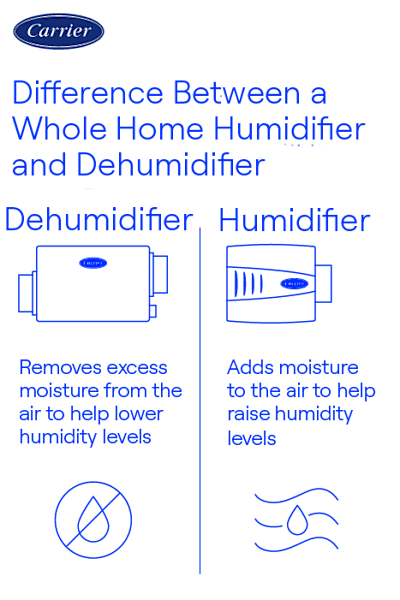
Credit: www.carrier.com
What Is a Humidifier?
A humidifier is a machine that adds water to the air. It makes the air more humid. People use humidifiers when the air is too dry. Dry air can cause problems.
Here are some problems caused by dry air:
- Dry skin and lips
- Scratchy throat
- Dry cough
- Cracked furniture or wood
- Static electricity shocks
A humidifier helps fix these problems. It puts moisture back into the air. This makes breathing easier. It also helps your skin stay soft.
When Should You Use A Humidifier?
Use a humidifier when the air in your home feels dry. This often happens in winter. Cold air has less moisture. When you heat your home, the air becomes dry too.
If you notice these signs, you might need a humidifier:
- Your lips or skin feel very dry
- You cough a lot, and your throat hurts
- You get nosebleeds often
- Your wooden furniture or floors crack
What Is a Dehumidifier?
A dehumidifier is a machine that removes water from the air. It makes the air less humid. People use dehumidifiers when the air is too wet or sticky.
Too much humidity can cause problems too. These problems include:
- Mold and mildew growth
- Musty smells in the home
- Allergy or asthma problems
- Damage to walls and furniture
- Feeling hot and sticky
A dehumidifier helps stop these problems. It keeps your home dry and healthy.
When Should You Use A Dehumidifier?
Use a dehumidifier if your home feels wet or sticky. This often happens in summer. Warm air holds more moisture. If your home is not well ventilated, moisture builds up.
Look for these signs to use a dehumidifier:
- Windows or walls have water drops
- You smell musty odors
- You see black or green spots on walls
- You feel hot and sweaty inside
- Your allergies or asthma get worse
How to Measure Humidity at Home
To know if you need a humidifier or dehumidifier, measure your home’s humidity. You can use a tool called a hygrometer. It shows the humidity percentage in the air.
Here is a quick guide:
| Humidity Level | What It Means | What You Need |
|---|---|---|
| Below 30% | Air is too dry | Use a humidifier |
| 30% – 50% | Comfortable air | No need for machines |
| Above 50% | Air is too humid | Use a dehumidifier |
Benefits of Using a Humidifier
Using a humidifier has many good effects. Here are some:
- Helps you breathe better
- Stops dry skin and lips
- Reduces nosebleeds
- Protects wooden furniture
- Reduces static shocks
Humidifiers are great in winter. They make the air soft and easy to breathe.
Benefits of Using a Dehumidifier
Dehumidifiers also have many good effects. Here are some:
- Prevents mold and mildew
- Stops musty smells
- Reduces allergy and asthma problems
- Protects walls and furniture
- Makes home feel cooler
Dehumidifiers are helpful in summer or in wet places like basements.
Which One Should You Choose?
So, how do you choose? First, check your home’s humidity. If it is below 30%, choose a humidifier. If it is above 50%, choose a dehumidifier.
If your humidity is between 30% and 50%, your air is good. You may not need either machine. Just keep your home clean and ventilated.
Also, think about your health and comfort. If you cough a lot or have dry skin, a humidifier can help. If you have allergies or see mold, a dehumidifier can help.
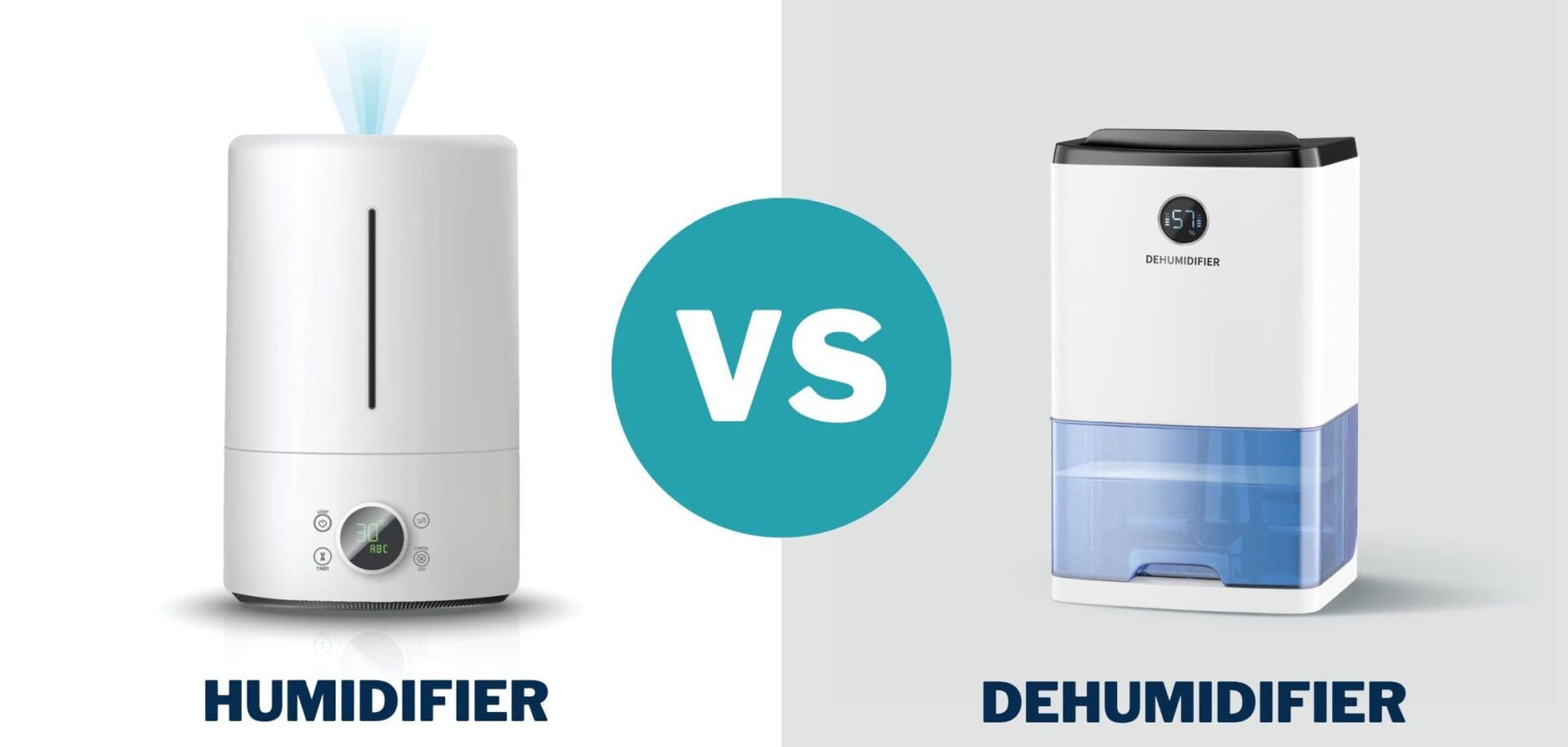
Credit: performanceac.com
Tips to Keep Humidity Balanced
Besides using machines, you can do simple things to balance humidity. Here are some tips:
- Open windows to let fresh air in
- Use fans to move air around
- Fix leaks to stop water from coming in
- Dry wet clothes outside or in a dryer
- Keep plants that help clean air
These tips help keep your home air fresh and healthy.
Final Thoughts
Choosing between a humidifier and dehumidifier is simple. It depends on your home’s humidity. Use a hygrometer to check the level. Then, choose the right machine.
Remember, too dry or too wet air can cause problems. Both machines help make your home comfortable. They also protect your health and home.
Take care of your home’s air. It makes a big difference in how you feel every day.
Frequently Asked Questions
What Does A Humidifier Do In Your Home?
A humidifier adds moisture to dry indoor air. It helps ease dry skin, throat, and nasal irritation. It’s useful in winter or dry climates.
When Should You Use A Dehumidifier Indoors?
Use a dehumidifier when your home feels damp or musty. It reduces excess moisture to prevent mold and dust mites. Ideal for basements and humid areas.
How To Tell If You Need A Humidifier?
Look for dry skin, cracked lips, or static electricity. Also, wooden furniture may crack in low humidity. These signs mean the air is too dry.
Can A Dehumidifier Improve Allergies?
Yes, it lowers humidity that dust mites and mold need. This can reduce allergy symptoms and breathing problems. Keeping air dry helps allergy sufferers.
As an Amazon Associate, I earn from qualifying purchases.