Are you worried about mold lurking in your home and affecting your health? You might be wondering if an air purifier can really make a difference.
Mold spores can be sneaky, floating in the air and hiding in hard-to-reach places. But can a simple device help you breathe cleaner air and keep mold under control? Keep reading to discover how air purifiers work against mold and whether they are the solution you need to protect your home and family.
Air Purifiers And Mold Spores
Mold spores float in the air like tiny seeds. They can cause allergies, asthma, and other health problems. Air purifiers can help remove these spores from the air. This section explains how air purifiers work with mold spores. It also covers what air purifiers cannot do against mold.
How Air Purifiers Capture Mold
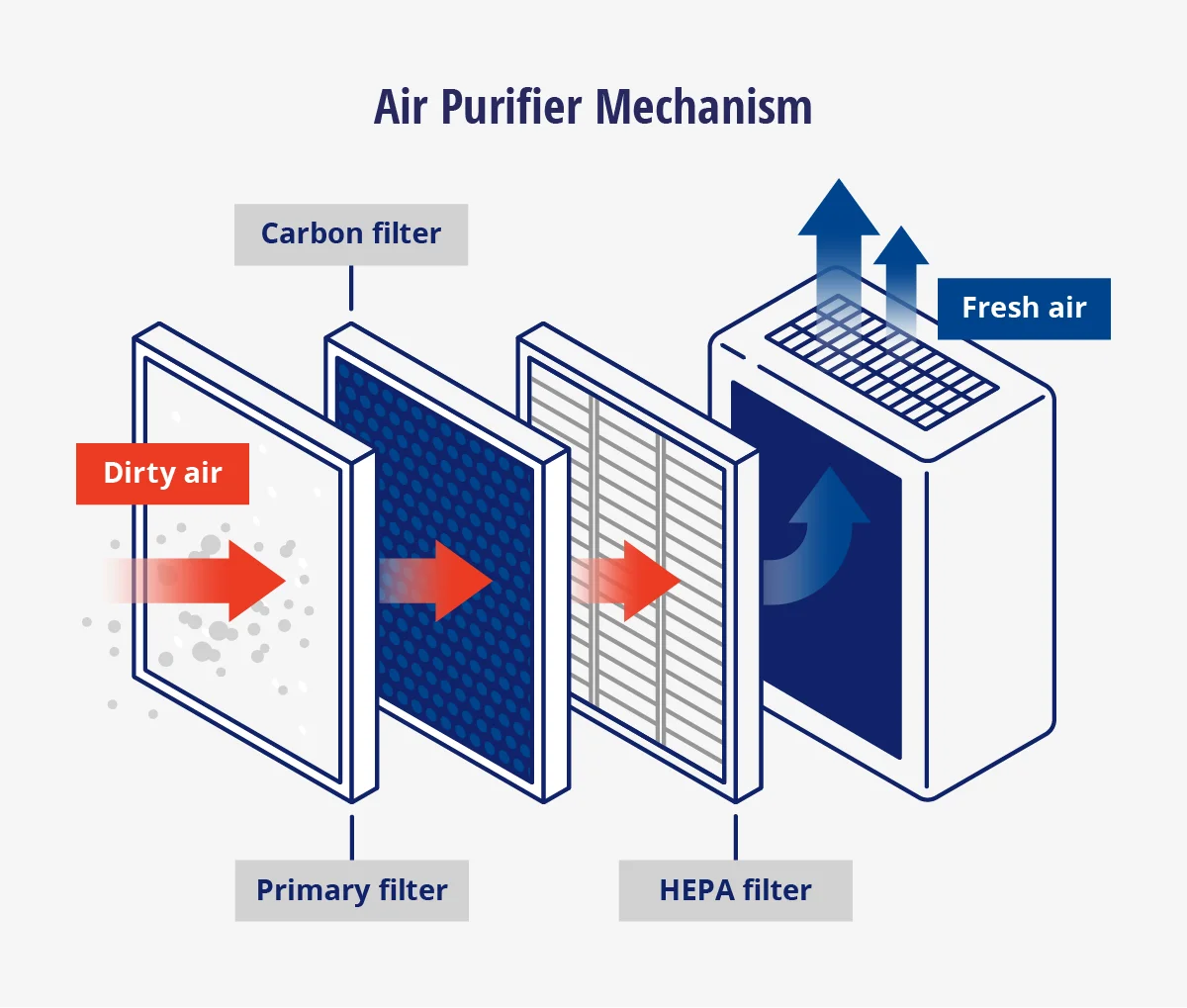
Air purifiers use filters to trap mold spores. HEPA filters are very good at catching small particles. They can capture spores as small as 0.3 microns. This stops spores from spreading in your home air. Some purifiers also use UV light to kill spores. This reduces the risk of spores growing inside the purifier. Clean air means fewer chances of mold spores causing harm.
Limitations Of Air Purifiers Against Mold
Air purifiers do not remove mold growing on surfaces. They do not stop mold from growing in damp areas. Removing moisture and fixing leaks is needed to control mold. Air purifiers only clean the air but do not solve mold problems fully. Large mold infestations need professional cleaning. Air purifiers help, but they are not a full solution.

Credit: medifyair.com
Common Sources Of Indoor Mold
Indoor mold grows easily in many common places inside homes. Understanding where mold hides helps you control it better. Mold needs moisture to grow. Without moisture, mold cannot spread or cause damage.
Moisture And Humidity Factors
High humidity inside the home creates a perfect environment for mold. Moisture comes from cooking, showering, and drying clothes indoors. Leaks from pipes or roofs also add moisture. Poor ventilation traps humid air, making mold growth worse. Keeping humidity below 60% helps reduce mold risks.
Hidden Mold Growth Areas
Mold often grows in hidden spots not easy to see. Behind walls, under carpets, and inside air ducts are common places. Basements and crawl spaces stay damp and dark, inviting mold growth. Bathrooms and kitchens have hidden mold behind tiles or under sinks. Regular checks in these areas catch mold early.
Effective Mold Removal Techniques
Effective mold removal techniques are essential for a healthy home. Mold can cause allergies and damage walls, furniture, and air quality. Removing mold properly stops it from spreading and keeps your space safe.
Cleaning Moldy Surfaces
Start by wearing gloves and a mask to protect yourself. Use a mixture of water and mild detergent to scrub moldy areas. For tough mold, a solution of one cup bleach in one gallon of water works well. Avoid mixing bleach with ammonia or other cleaners. Dry the surface completely after cleaning to prevent mold from coming back. Regular cleaning helps keep mold under control.
Using Mold-resistant Products
Mold-resistant products can reduce mold growth over time. Use mold-resistant paint on walls and ceilings in damp areas. Installing mold-resistant drywall helps in kitchens and bathrooms. These products limit mold by reducing moisture absorption. They work best combined with good ventilation and regular cleaning. Choose mold-resistant materials during repairs or renovations for better protection.
Credit: rainbowrestores.com
Preventing Mold Growth
Preventing mold growth is essential for a healthy home. Mold thrives in damp, warm places. Stopping mold early protects your walls, furniture, and health. Simple steps can keep mold spores from settling and growing indoors.
Controlling Indoor Humidity
Mold needs moisture to grow. Keeping indoor humidity below 60% helps prevent mold. Use a dehumidifier to reduce moisture in the air. Check humidity levels with a hygrometer for accuracy. Dry air makes it hard for mold to develop.
Proper Ventilation Tips
Good airflow limits moisture buildup and mold growth. Open windows to let fresh air in. Use exhaust fans in kitchens and bathrooms. Vent clothes dryers outside the house. Proper ventilation moves damp air out quickly.
Choosing The Right Air Purifier
Choosing the right air purifier matters for handling mold. Not all purifiers work the same. Some trap tiny mold spores better than others. Picking a device with the right filters and features helps keep the air clean. This section explains what to look for in an air purifier to reduce mold effectively.
Hepa Filters And Mold
HEPA filters capture tiny particles in the air. They trap mold spores that cause allergies and health issues. Look for true HEPA filters, not just HEPA-like. True HEPA removes at least 99.97% of particles as small as 0.3 microns. This makes them very good at catching mold spores. Using a HEPA air purifier can lower mold in the air significantly.
Additional Features To Consider
Some air purifiers have extra features for mold control. A carbon filter helps remove mold odors. UV light can kill mold spores, but its effectiveness varies. Check the purifier’s clean air delivery rate (CADR). Higher CADR means the purifier cleans air faster. Also, choose a size that fits your room well. Too small, and it won’t work properly.

Credit: smartairfilters.com
When To Seek Professional Help
An air purifier can reduce mold spores in the air. But it cannot fix large mold problems. Mold grows hidden in walls, floors, or ceilings. Sometimes, mold spreads too much for simple cleaning. That is when professional help is needed.
Professionals know how to find and remove mold safely. They use special tools and chemicals. They stop mold from coming back. Knowing when to call experts can save your home and health.
Signs Of Severe Mold Infestation
Look for dark spots on walls or ceilings. Mold often smells musty or damp. You may feel allergy symptoms like sneezing or coughing. Paint or wallpaper may peel or bubble. Water damage or leaks increase mold risk. Large mold patches or constant mold return need expert care.
Mold Testing And Remediation Services
Experts test air and surfaces for mold types and levels. They find hidden mold inside walls and vents. Mold removal includes cleaning, removing damaged materials, and drying areas. Professionals fix moisture problems to stop mold growth. Always use certified mold removal services for safety and quality.
Frequently Asked Questions
Can An Air Purifier Remove Mold Spores Effectively?
Yes, air purifiers with HEPA filters can capture mold spores from the air. They reduce airborne mold but don’t eliminate mold growth on surfaces.
What Type Of Air Purifier Is Best For Mold?
HEPA filters are best for trapping mold spores. Some purifiers also have activated carbon filters to reduce mold odors and VOCs.
Will An Air Purifier Stop Mold Growth Completely?
No, air purifiers only clean the air. To stop mold growth, control moisture and fix leaks in your home.
How Often Should I Run An Air Purifier For Mold?
For best results, run your air purifier continuously in mold-prone areas. This keeps airborne spores minimized and improves air quality.
Conclusion
Air purifiers can help reduce mold spores in the air. They improve air quality and lower allergy risks. Still, they do not remove mold from walls or surfaces. Cleaning and fixing moisture problems remain essential. Using an air purifier adds a helpful layer of protection.
It supports a healthier home environment. Choose one with a HEPA filter for best results. Remember, prevention and cleaning work hand in hand with air purifiers. Keep your space dry and well-ventilated to stop mold growth. Simple steps make a big difference in keeping mold away.
As an Amazon Associate, I earn from qualifying purchases.