Have you ever wondered if the light in your home or office can help your plants grow? You might be surprised to learn that artificial light can actually play a big role in keeping your plants healthy and thriving.
Whether you have a small indoor garden or just a few houseplants, understanding how artificial light affects your plants could change the way you care for them. Keep reading to discover the truth about artificial light and how it can boost your plants’ growth, so you can enjoy greener, happier plants all year round.
How Artificial Light Affects Plants
Artificial light plays a big role in how plants grow indoors or in places with little sunlight. It can act as a substitute for sunlight, helping plants carry out photosynthesis. Understanding how artificial light affects plants helps you choose the right kind for your garden or home plants.
Plants react differently to types of light, the color of light, and how long and how strong the light is. These factors influence their growth, health, and even flowering. Let’s explore these aspects one by one.
Types Of Artificial Light
There are several types of artificial light used for plants. Fluorescent lights are common and energy-efficient. They work well for seedlings and small plants.
LED lights are popular too. They use less power and produce less heat. This helps prevent plant damage. Incandescent bulbs are less used because they waste energy and get very hot.
Each light type has benefits and limits. Choosing the right light depends on plant needs and space.
Light Spectrum And Plant Growth
Light spectrum means the range of colors in light. Plants use mostly blue and red light for growth. Blue light helps leaves grow strong and healthy. Red light supports flowering and fruit production.
Some artificial lights offer a full spectrum that mimics sunlight. This can improve plant growth and health. Lights without the right colors may slow growth or cause weak plants.
Duration And Intensity Effects
Plants need a certain amount of light each day. Too little light can stop growth. Too much light can cause stress or burn leaves.
Light intensity means how strong the light is. Plants close to the light get more intense light. Moving plants farther reduces intensity.
Most indoor plants do well with 12 to 16 hours of light daily. Adjusting light duration and intensity helps plants grow better indoors.
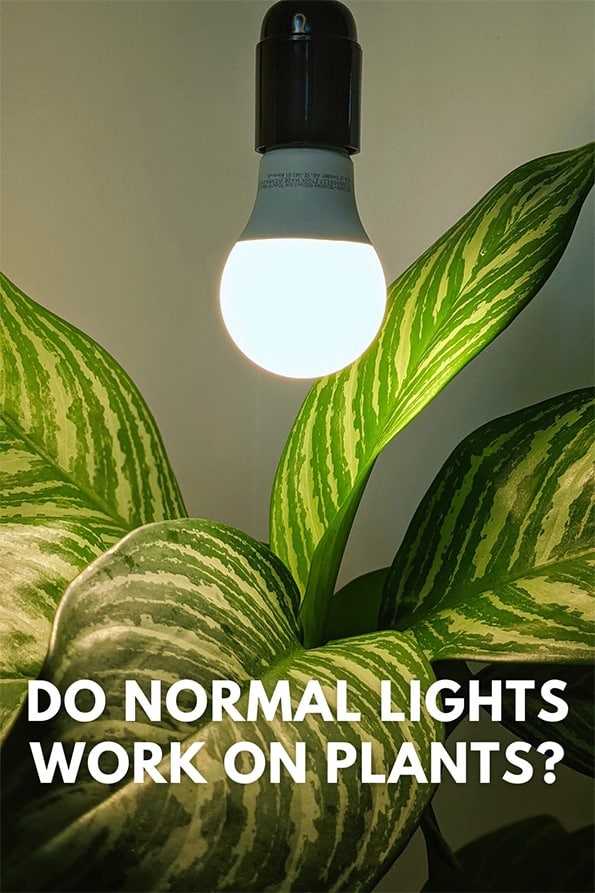
Credit: www.ourhouseplants.com
Choosing The Right Light For Your Plants
Choosing the right light for your plants is important. Plants need light to grow well. The type of light affects their health and growth speed. Different lights have different colors and brightness. Some lights work better for certain plants. Picking the right light can help your plants thrive indoors.
Led Vs Fluorescent Vs Incandescent
LED lights use less energy and last longer. They give off the right colors for plant growth. Fluorescent lights are cheaper but use more power. They work well for seedlings and low-light plants. Incandescent lights are the least efficient. They produce heat and little useful light for plants.
Matching Light To Plant Species
Different plants need different light colors and amounts. Succulents and cacti like bright, direct light. Ferns and tropical plants prefer softer, indirect light. Flowering plants need full-spectrum lights to bloom. Know your plant’s natural habitat. Choose light that mimics their natural environment.
Energy Efficiency Considerations
Energy use affects your electricity bill and the environment. LED lights save energy and reduce costs. Fluorescent lights use more power and last shorter. Incandescent bulbs waste energy as heat. Choose energy-efficient lights to save money and help the planet.
Setting Up Artificial Lighting
Setting up artificial lighting for plants is simple but needs careful planning. The right setup helps plants grow healthy and strong. It involves placing lights at the correct distance, timing the light cycles well, and mixing natural and artificial light smartly.
Optimal Distance From Plants
Place lights close enough to reach plants but not too near. Too close can burn leaves. Too far means weak light and slow growth. Usually, keep lights 6 to 12 inches above small plants. Adjust distance as plants grow taller. Check leaves for signs of stress or light shortage.
Scheduling Light Cycles
Plants need a regular light schedule to thrive. Most plants require 12 to 16 hours of light daily. Set timers for consistent on and off periods. Darkness is important too. It helps plants rest and grow. Avoid sudden changes in light hours to keep plants steady.
Combining Natural And Artificial Light
Use artificial lights to fill gaps in natural sunlight. Natural light is best but not always enough indoors. Position artificial lights to cover shaded areas. This blend supports even growth. Change light placement as sunlight shifts through seasons. Balance both light types for best results.

Credit: www.wikihow.com
Common Mistakes With Artificial Lighting
Using artificial light for plants can be very helpful. Yet, many make common mistakes that hurt plant growth. Understanding these errors improves the results of your lighting setup.
Overexposure Risks
Too much light can harm plants. Leaves may turn yellow or dry out. Overexposure also wastes energy and shortens bulb life. Plants need a balance of light and darkness to thrive.
Inadequate Light Coverage
Light must reach all parts of the plant. Shaded leaves grow weak and slow. Many forget to spread light evenly or position bulbs correctly. Proper coverage helps plants grow strong and healthy.
Ignoring Plant Signals
Plants show clear signs when lighting is wrong. Wilting, slow growth, or pale leaves are warnings. Ignoring these signs stops you from fixing problems early. Watching your plants closely leads to better care.
Expert Tips To Maximize Growth
Maximizing plant growth with artificial light needs care and attention. Small changes can improve how plants grow. Experts suggest ways to get the best results from your lighting setup.
These tips help you give plants the right light at the right time. This makes plants stronger and healthier. Follow simple steps to see better growth in your indoor garden.
Monitoring Plant Health
Check your plants every day. Look for signs like leaf color and stem strength. Yellow or brown leaves may mean too much or too little light. Watch growth speed. Slow growth might need more light. Adjust lighting if plants look weak or stretched.
Adjusting Light Based On Growth Stages
Plants need different light amounts as they grow. Seedlings need less light than mature plants. Use lower light intensity for young plants. Increase light hours and brightness during flowering or fruiting. Change light color if possible. Blue light helps leafy growth, red light helps blooms.
Using Reflective Surfaces
Reflective surfaces spread light evenly to plants. Use materials like white paint or reflective foil around plants. This helps plants get light from all sides. It reduces dark spots and wasted light. Reflective surfaces make your lighting more efficient and help plants grow better.

Credit: myplantin.com
Benefits Beyond Growth
Artificial light does more than just help plants grow. It supports many important plant functions. These benefits improve the health and yield of plants. They also give gardeners more control over plant care.
Improved Flowering And Fruiting
Plants need light to make flowers and fruits. Artificial light can extend light hours, helping plants bloom longer. This leads to better fruit development and higher yields. Gardeners can use specific light types to trigger flowering at the right time.
Year-round Gardening
Natural light changes with seasons. Artificial light keeps plants growing in winter or indoors. This allows gardening all year, no matter the weather. It helps people enjoy fresh herbs, vegetables, and flowers anytime.
Pest And Disease Management
Certain artificial lights can reduce pests and diseases. Some lights disrupt insect activity, lowering infestations. Healthier plants resist diseases better. Using light as a tool helps reduce chemicals and keeps plants safe.
Frequently Asked Questions
Does Artificial Light Promote Plant Growth Effectively?
Yes, artificial light promotes plant growth by providing essential light wavelengths. It supports photosynthesis when natural sunlight is insufficient or unavailable.
What Types Of Artificial Light Are Best For Plants?
LED grow lights are best as they offer targeted light spectrum. Fluorescent and incandescent bulbs are less efficient for plant growth.
How Long Should Plants Receive Artificial Light Daily?
Most plants need 12 to 16 hours of artificial light daily. This duration mimics natural daylight for healthy growth and development.
Can Artificial Light Replace Natural Sunlight For Plants?
Artificial light can substitute sunlight indoors but may lack full spectrum. Using full-spectrum grow lights helps closely replicate natural sunlight benefits.
Conclusion
Artificial light can support plant growth indoors or in low sunlight. It helps plants make food through photosynthesis. Different plants need different types and amounts of light. Choosing the right artificial light improves plant health and growth. Too much or too little light can harm plants.
Watching your plants closely shows how they respond to light. With proper care, artificial light keeps plants green and healthy. It offers a useful way to grow plants anywhere. Simple steps can make a big difference in plant care.
As an Amazon Associate, I earn from qualifying purchases.