Are you thinking about adding a sectional sofa to your living room but wondering how much space it will really take up? Knowing the size of a sectional sofa is key to making sure it fits perfectly in your home without crowding your space.
You’ll discover everything you need to know about sectional sofa dimensions, so you can choose the right one for your room. Keep reading to avoid costly mistakes and create a comfortable, stylish space you’ll love.
Sectional Sofa Basics
Sectional sofas are popular for their comfort and style. They fit well in many rooms. These sofas come in different shapes and sizes. Knowing the basics helps to choose the right one for your space.
Understanding the common shapes and typical dimensions of sectional sofas can make your decision easier. This guide breaks down the key points to consider.
Common Shapes
Sectional sofas come in several shapes. The L-shape is the most common. It fits nicely in corners. The U-shape offers more seating space. It works well in large rooms. Some sectionals are curved. They add a soft, modern look. Modular sectionals let you change the shape. You can move pieces around to fit your needs.
Typical Dimensions
Sectional sofas vary in size. Most are between 84 and 120 inches long. The depth usually ranges from 35 to 40 inches. Seat height is often around 17 to 19 inches. The chaise part, if included, is about 60 inches long. Keep space for walking around the sofa. Measure your room carefully before buying.
Measuring Your Space
Measuring your space is the first step to choosing the right sectional sofa. It helps ensure the sofa fits well and looks great in your room. Careful measurement avoids problems with tight fits or awkward layouts. Take your time and get accurate numbers for the best result.
Room Size Considerations
Start by measuring the length and width of the room. Note any furniture that will stay in place. Leave space for walking and other activities. A sectional sofa needs enough room to fit without crowding. Think about the sofa’s shape and how it fits the room’s layout.
Doorways And Pathways
Measure all doorways and hallways leading to the room. Check the width and height to ensure the sofa can pass through. Remember to measure tight corners and staircases. A big sectional might not fit through small entrances. Plan the route carefully to avoid delivery issues.
Standard Sectional Sizes
Sectional sofas come in many sizes to fit different rooms and needs. Knowing the standard sizes helps in picking the right one. Sizes range from small to large, each serving a different purpose. This guide explains the typical dimensions of standard sectionals.
Small Sectionals
Small sectionals usually measure about 70 to 90 inches wide. They work well in apartments or small living rooms. These sectionals often have two or three seats. They save space while offering comfortable seating. Perfect for cozy areas or rooms with limited space.
Medium Sectionals
Medium sectionals range from 90 to 120 inches wide. They fit average-sized living rooms well. These sofas usually have three to five seats. They provide more seating without crowding the room. A balanced choice for comfort and space.
Large Sectionals
Large sectionals measure over 120 inches wide. They suit big living rooms or open spaces. These sofas offer six or more seats. Great for families or entertaining guests. Large sectionals make a strong style statement too.

Credit: runyonsfinefurniture.com
Customizing Sectional Dimensions
Customizing sectional dimensions lets you create a sofa that fits your space perfectly. It makes your living area cozy and functional. You can choose shapes and sizes that suit your room and lifestyle. This flexibility helps you get the most out of your sectional sofa.
Modular Options
Modular sectionals come in pieces you can move and arrange. You can add or remove sections to change the size. This makes it easy to fit small or large rooms. Different modules include corners, chaises, and ottomans. You can build a sofa that matches your space and needs. It also allows room for guests or family gatherings.
Adjustable Components
Some sectionals offer adjustable parts like reclining seats or extendable ottomans. These features change the sofa’s length or depth. Adjustable backs can provide extra comfort and support. They help the sofa adapt to your daily activities. This makes your sectional both stylish and practical.
Choosing The Right Size
Choosing the right size for a sectional sofa is key to fitting your space perfectly. It affects both how your room looks and how comfortable your seating will be. Measure your room carefully and think about how many people will use the sofa. This helps avoid a sofa that is too big or too small.
Seating Capacity
Count the people who will sit on the sofa regularly. Small sectionals fit two to three people. Medium ones can seat four to five comfortably. Large sectionals may hold six or more. Choose a size that matches your family or guest needs. Avoid buying a sofa that feels crowded or too empty.
Functionality And Comfort
Think about how you will use the sectional. Some are good for lounging and napping. Others work well for watching TV or talking with friends. A sofa with a chaise or recliner adds extra comfort. Pick one that fits your daily activities. Comfort should come before style to enjoy your space fully.
Placement Tips
Placing a sectional sofa correctly can change the feel of your room. It affects space, flow, and comfort. Proper placement helps you enjoy the sofa fully and keeps the room balanced.
Think about your room size and shape before setting the sectional. This helps to avoid blocking pathways or making the space look crowded. Use these tips to place your sectional sofa smartly.
Maximizing Space
Place the sectional against a wall to free up floor space. This opens the center area for other furniture or activities. In smaller rooms, choose a corner placement to use space well.
Avoid blocking windows or doors with the sectional. Keep enough room to walk around easily. Use rugs or coffee tables to define the seating area without clutter.
Creating Conversation Areas
Arrange the sectional so people face each other. This setup invites talking and makes gatherings cozy. Add chairs or small tables nearby to complete the area.
Keep the seating tight but not cramped. Leave space for legs and movement. Good lighting over the area improves mood and makes the space inviting.
Common Size Mistakes
Choosing the right size for a sectional sofa can be tricky. Many people make common mistakes that affect the room’s look and feel. These errors often cause discomfort and limit space. Knowing what to avoid helps create a balanced and cozy living area.
Overcrowding The Room
One common mistake is picking a sectional that is too big. A large sofa can crowd the room and make it feel tight. It blocks natural light and hides other furniture. Space looks smaller, and movement becomes hard. Measure your room carefully before buying. Leave enough empty space around the sofa for comfort.
Ignoring Traffic Flow
Another error is ignoring how people move in the room. A sofa placed in the wrong spot can block paths. This causes people to bump into furniture or squeeze through tight spaces. Plan where to walk and place the sectional to keep paths clear. This helps the room feel open and easy to use.

Credit: honbaymall.com
Measuring Your Sectional Sofa
Measuring your sectional sofa is the first step to ensure it fits perfectly in your space. Accurate measurements help avoid buying a sofa that is too big or too small. Take your time and measure carefully to get the best fit.
Length And Width
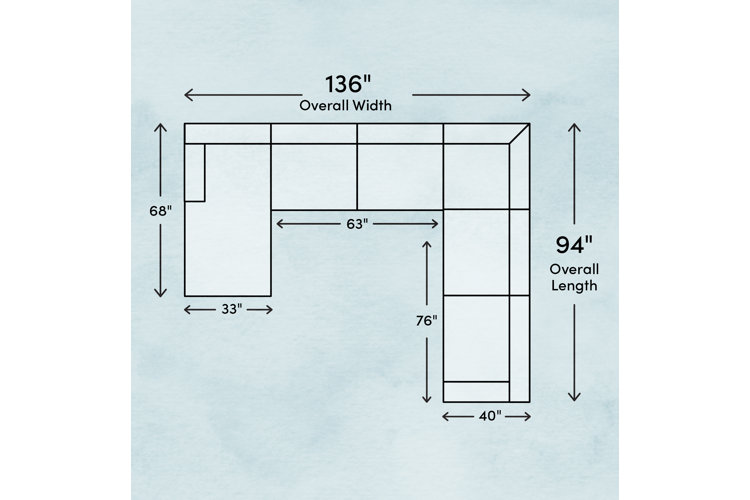
Start by measuring the length of each section of the sofa. Note the longest side first. Then measure the width of each piece, which is the distance from front to back. Write down each measurement separately. This helps you understand the total space the sofa will take.
Height And Depth
Measure the height from the floor to the top of the backrest. This is important to check if the sofa fits under windows or shelves. Next, measure the depth from the front edge to the back of the sofa. Depth affects how much room you need and how comfortable the sofa feels.
Credit: www.wayfair.com
Frequently Asked Questions
What Are The Typical Dimensions Of A Sectional Sofa?
Sectional sofas usually range from 90 to 150 inches in length. Depth varies between 35 to 40 inches. Heights often measure 30 to 36 inches. These sizes fit most living rooms, offering ample seating without overwhelming space.
How Much Space Does A Sectional Sofa Require?
A sectional sofa needs at least 8 by 10 feet of floor space. Allow extra room for movement around the sofa. This ensures comfort and functionality in your living area.
Can Sectional Sofas Fit Small Living Rooms?
Yes, many sectionals are designed for compact spaces. Modular options allow flexible arrangements. Choose a smaller sectional to maximize seating without crowding your room.
What Factors Affect Sectional Sofa Size?
Factors include the number of seats, configuration, and arm style. Corner units and chaise lounges add length and depth. Always measure your room before selecting a sectional sofa.
Conclusion
Sectional sofas come in many sizes to fit different rooms. Measuring your space helps choose the right fit. Think about how many people will sit comfortably. Remember, a good size balances style and function. Pick a sectional that matches your room layout well.
This way, your sofa feels cozy and looks great. Size matters, but comfort matters more. Choose wisely for a perfect living space.
As an Amazon Associate, I earn from qualifying purchases.