Electric kettles are common in many homes. They help us boil water quickly. But do you know how they work? This article will explain the basic ideas. It will tell you what parts an electric kettle has. Also, it will describe how these parts help boil water fast. Let’s start!
What Is an Electric Kettle?
An electric kettle is a small kitchen device. It heats water using electricity. It is faster than boiling water on a stove. People use electric kettles for tea, coffee, or cooking.
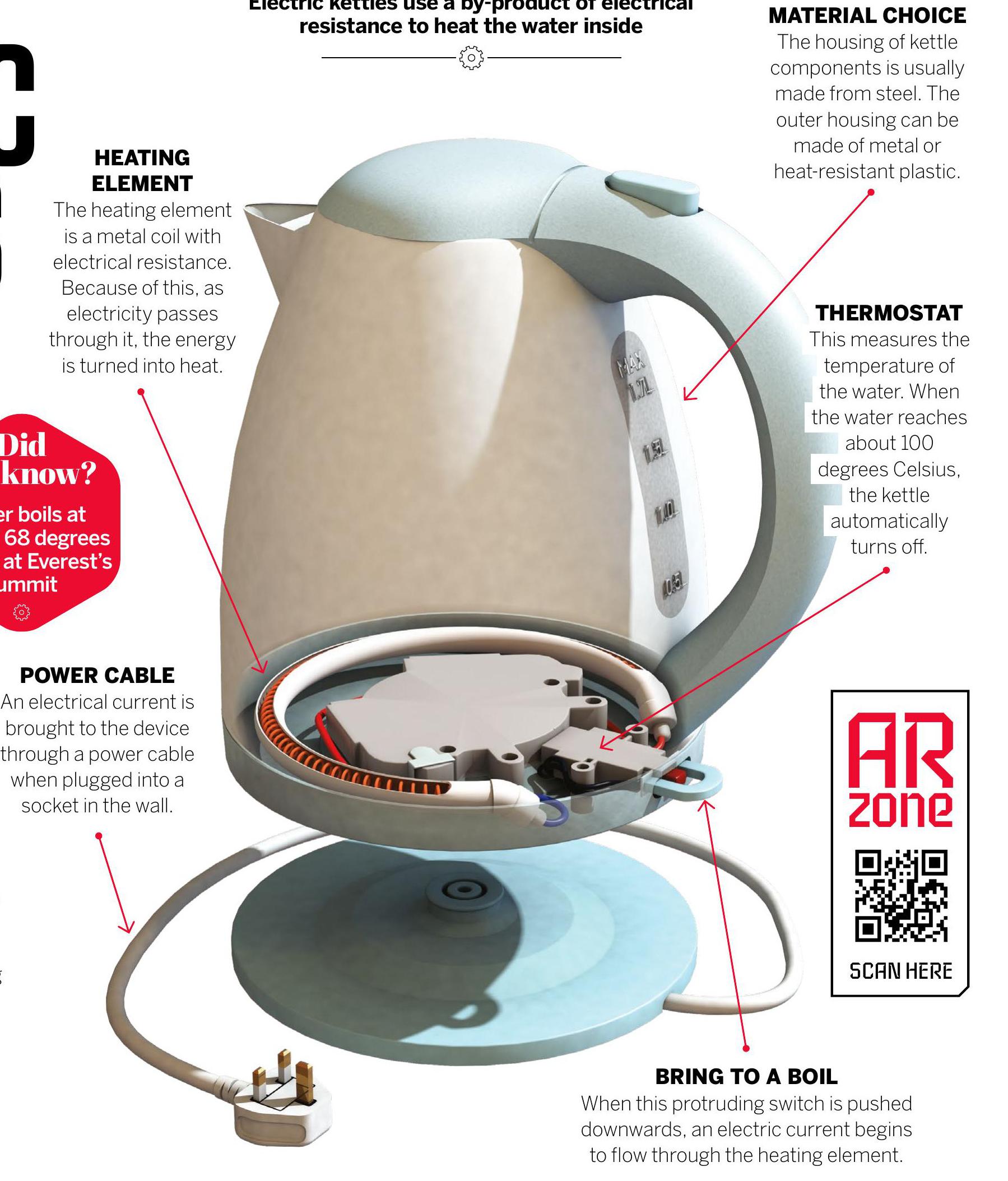
Main Parts of an Electric Kettle
Electric kettles have a few important parts. These parts work together to boil water. Here are the main parts:
- Body: The container where water is placed.
- Heating Element: The part that gets hot and heats water.
- Power Base: Connects the kettle to electricity.
- Switch: Turns the kettle on and off.
- Thermostat or Sensor: Controls the temperature and stops heating.
- Lid: Covers the kettle to keep heat inside.
How Does an Electric Kettle Heat Water?
The key to an electric kettle is its heating element. This part is usually a metal coil or a flat metal plate. When you turn the kettle on, electricity flows through the heating element.
Electricity heats the metal. The hot metal then heats the water around it. This process is called resistance heating. The metal resists the electricity, and this resistance creates heat.
Because the heating element is inside or under the kettle’s body, water gets hot fast. The heat moves directly into the water without much loss.
Step-by-Step: What Happens Inside the Kettle?
Let’s look at the process step by step:
- You fill the kettle with water.
- You put the kettle on its power base.
- You press the switch to start heating.
- Electricity flows to the heating element.
- The heating element gets hot.
- The hot element heats the water inside.
- Water temperature rises quickly.
- When water boils, the thermostat senses it.
- The thermostat turns off the heating element.
- The kettle stops heating automatically.
What Is the Thermostat’s Role?
The thermostat is very important. It stops the kettle from boiling too long. When water reaches 100°C (212°F), it tells the kettle to stop. This prevents wasting electricity. It also stops the kettle from damage.
Without the thermostat, the heating element could stay on. It might burn the kettle. Or cause other problems. So, the thermostat keeps things safe and efficient.
Types of Heating Elements
Not all kettles use the same heating element. There are two common types:
| Heating Element Type | Description | Advantages |
|---|---|---|
| Exposed Coil | A metal coil inside the kettle. | Usually cheaper. Easy to replace. |
| Concealed Plate | A flat metal plate under the kettle’s base. | Easier to clean. Heats water faster. |
Modern kettles often have concealed plates. This design helps keep the kettle clean. The exposed coil can be harder to clean because of mineral buildup.
Credit: gb.readly.com
Why Are Electric Kettles Faster Than Stoves?
Electric kettles heat water faster than stoves. Why? There are two main reasons:
- The heating element is inside the kettle. It touches water directly.
- Electricity heats the element quickly and efficiently.
On a stove, heat must pass through the kettle’s bottom first. Some heat is lost to air. This makes boiling slower.
Safety Features in Electric Kettles
Electric kettles have safety features to protect users. Here are common ones:
- Auto Shut-Off: Stops heating when water boils.
- Boil-Dry Protection: Turns off if there is no water.
- Cool-Touch Exterior: Keeps the outside cooler to touch.
- Locking Lid: Prevents accidental spills.
These features help avoid accidents and make kettles safe to use.
How to Use an Electric Kettle Correctly
To use an electric kettle well, follow these tips:
- Fill the kettle with water, but do not overfill.
- Place the kettle properly on its base.
- Close the lid before turning it on.
- Wait for the kettle to turn off automatically.
- Pour the hot water carefully.
Always read your kettle’s instructions for the best use.
Credit: www.youtube.com
Common Problems with Electric Kettles
Sometimes, kettles may have problems. Here are common issues:
- Kettle does not turn on: Check power connection.
- Water takes too long to boil: Mineral buildup may block heating.
- Kettle turns off too soon: Thermostat may be faulty.
- Strange noises or smells: Unplug and inspect the kettle.
Regular cleaning helps avoid many problems.
How to Clean an Electric Kettle
Cleaning keeps your kettle working well. Minerals in water can build up inside. This is called limescale. To clean your kettle, do this:
- Fill the kettle with equal parts water and white vinegar.
- Boil the solution.
- Let it sit for 15-20 minutes.
- Pour out the solution.
- Rinse the kettle several times with fresh water.
Cleaning every few weeks helps your kettle last longer.
Energy Use of Electric Kettles
Electric kettles use electricity to boil water. They are more energy-efficient than stove kettles. This is because they heat water faster and waste less heat.
Boiling only the water you need saves energy. Avoid boiling more water than necessary.
Final Thoughts
Electric kettles are simple but smart devices. They use electricity to heat a metal element. This element heats the water quickly and safely. The thermostat helps stop heating at the right time. Safety features keep users safe. Regular cleaning keeps kettles working well.
Understanding how electric kettles work helps you use them better. It also helps with care and safety. Next time you boil water in a kettle, think about the parts working inside.
Electric kettles make boiling water easy, fast, and safe. Now you know how!
Frequently Asked Questions
How Does An Electric Kettle Heat Water Quickly?
An electric kettle uses a heating element that warms water fast. The element gets hot and transfers heat directly to the water. This method is faster than heating on a stove.
What Safety Features Do Electric Kettles Have?
Most electric kettles have an automatic shut-off to stop boiling. They also have boil-dry protection to prevent damage if empty. These features keep users safe and protect the kettle.
Why Do Electric Kettles Turn Off Automatically?
Electric kettles turn off when water reaches boiling point. A thermostat senses the temperature and cuts power to stop heating. This saves energy and prevents overheating.
How Does The Heating Element In Kettles Work?
The heating element converts electricity into heat using resistance. When powered, it quickly heats up and warms the water. This direct contact speeds up boiling time.
As an Amazon Associate, I earn from qualifying purchases.