Measuring your windows for curtains might seem simple, but a small mistake can lead to curtains that don’t fit right or look awkward. You want your curtains to enhance your room, not frustrate you every time you open or close them.
The good news? Getting the perfect measurements is easier than you think, and you don’t need special tools or skills. In this guide, you’ll learn exactly how to measure your windows step-by-step, so your curtains fit beautifully and make your space feel just right.
Keep reading to avoid costly errors and get your windows dressed perfectly the first time.
Choose The Right Tools
Choosing the right tools makes measuring windows for curtains easier and more accurate. The right tools help you get exact measurements. This avoids mistakes and saves time. Using proper tools ensures your curtains fit perfectly.
Tape Measure Essentials
A good tape measure is the most important tool for measuring windows. Pick one with clear, easy-to-read numbers. A metal tape measure is best because it stays straight. Make sure it is long enough to cover your window width and height. A lock feature helps hold the tape in place. This makes measuring more stable and accurate.
Additional Tools To Have
A pencil and paper help record your measurements clearly. A step stool or ladder is useful for tall windows. A level can check if your curtain rod will be straight. A helper can hold the tape measure steady for large windows. These extra tools make measuring simpler and more precise.
Measure Window Width
Measuring the width of your window is the first step to finding the perfect curtains. The width decides how wide your curtains need to be. You measure differently depending on the curtain style you want. Two common styles are inside mount and outside mount. Each style needs a specific way to measure.
Inside Mount Measurements
Inside mount curtains fit inside the window frame. Measure the width of the inside of the frame. Use a metal tape measure for accuracy. Measure at three points: top, middle, and bottom. Write down the smallest width. This ensures the curtains fit well inside the frame. Do not add extra width for inside mount curtains.
Outside Mount Measurements
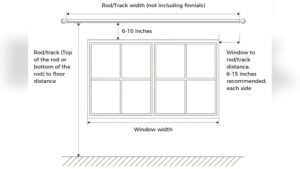
Outside mount curtains hang outside the window frame. This style covers the frame and part of the wall. Measure the full width you want the curtains to cover. Start from one side of the frame and go beyond the other side. Add extra width for overlap, usually 3 to 6 inches on each side. This helps block more light and adds style.
Measure Window Height
Measuring the height of your window is key to getting curtains that fit well. The height affects how the curtains hang and how much light they block. It also influences the room’s look and feel. You need to decide if you want the curtains inside the window frame or outside it. This choice changes how you measure the height.
Always use a steel tape measure for accuracy. Measure in three places to find the right height. Note the smallest number for inside mount or the largest for outside mount. Write down your measurements carefully before buying or making curtains.
Inside Mount Height
Inside mount means the curtains fit inside the window frame. Measure from the top inside edge of the frame. Take the tape measure down to the window sill or the bottom inside edge. Measure in three spots: left, center, and right.
Pick the shortest measurement to avoid curtains rubbing the sill or frame. This ensures curtains hang neatly inside the window space. Inside mounts give a clean, modern look and save wall space.
Outside Mount Height
Outside mount means curtains hang outside the window frame. Measure from where you want the curtain rod to start. Usually, this is a few inches above the window frame. Measure down to where you want the curtains to end.
Measure in three places: left, center, and right. Use the longest measurement for the best fit. Outside mounts make windows look bigger and cover the frame fully. They also block more light and add style.
Consider Curtain Rod Placement
Consider curtain rod placement carefully before measuring your windows. The rod position affects how your curtains hang and how much light enters. Proper placement ensures the curtains look balanced and cover the window well. This step helps avoid curtains that are too short or too narrow. Focus on two key factors: height above the window frame and width beyond the window frame.
Height Above Window Frame
Place the curtain rod higher than the window frame to create a taller look. Usually, 4 to 6 inches above the frame works well. This height makes the ceiling appear higher. It also allows the curtains to hang freely without blocking the window. Avoid placing the rod too close to the frame. Too low can make the window look smaller and the room feel cramped.
Width Beyond Window Frame
Extend the curtain rod wider than the window frame. Add at least 3 to 6 inches on each side. This extra width lets you open curtains fully without blocking the glass. It also makes the window look bigger. Narrow rods cause curtains to cover part of the window when open. Wider rods improve light flow and give a neat, finished look.
Account For Curtain Fullness
When measuring windows for curtains, accounting for curtain fullness is key. Fullness means how thick or gathered the curtains will look. It affects both the style and function of your curtains. Without the right fullness, curtains may look flat or too tight. Understanding fullness helps you buy the right amount of fabric. This section explains how to measure for curtain fullness correctly.
Standard Fullness Ratio
The standard fullness ratio is usually 2 to 2.5 times the width of your window. This means the curtain fabric should be two to two and a half times wider than the window itself. For example, if your window is 50 inches wide, buy curtain fabric that is 100 to 125 inches wide. This ratio creates soft folds and a full look. It works well for most curtain styles and fabrics.
Adjusting For Fabric Type
Different fabrics need different fullness amounts. Light fabrics like voile need more fullness to look rich and gathered. Heavy fabrics like velvet need less fullness because they naturally hang thick. Sheer curtains usually require 2.5 times fullness. Thick curtains may only need 1.5 to 2 times fullness. Adjust the ratio based on your fabric choice for the best look and fit.

Credit: www.aprilnotes.com
Double Check Measurements
Double checking measurements is a key step in getting curtains that fit perfectly. Small mistakes can cause big problems. Curtains that are too short or too wide will not look right or work well. Taking time to re-measure helps avoid these issues. It also saves money and effort in the long run.
Measuring twice or even thrice ensures accuracy. Use a reliable tape measure and write down each number clearly. Check both width and height carefully. Pay attention to where the curtain rod or track will sit. These details affect the size you need.
Common Mistakes To Avoid
One common mistake is measuring only the window glass. Curtains should cover the frame and some wall space. Another error is forgetting to measure the curtain rod’s position. Measuring from the wrong points leads to wrong sizes.
People often mix up width and height. Double check which side you are measuring. Also, do not guess or round numbers. Always use exact measurements for best results.
Tips For Accuracy
Use a metal tape measure for straight, firm readings. Measure in centimeters or inches consistently. Record each measurement right away to avoid forgetting.
Measure at least twice to confirm the numbers match. Ask a friend to help hold the tape. This reduces bending or slipping during measuring. Stand back and look if the measurements cover the area fully.
Choose Curtain Length
Choosing the right curtain length is key to a perfect window look. The length affects the room’s style and feel. It also changes how your curtains hang and move. Knowing different curtain lengths helps you decide the best fit for your space.
Floor-length Curtains
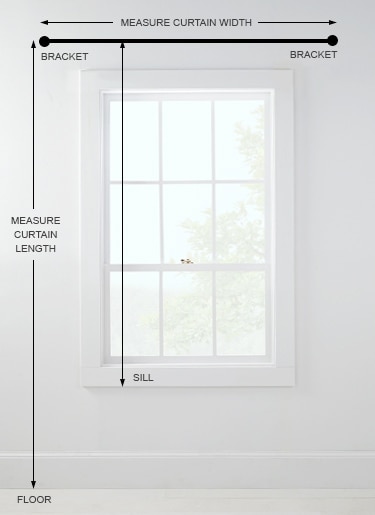
Floor-length curtains stop just above the floor or slightly touch it. This length gives a clean and modern look. It works well in living rooms and bedrooms. These curtains make windows look taller and rooms feel bigger.
Sill-length Curtains
Sill-length curtains end at the window sill. They are good for kitchens and bathrooms. This length lets in more light and keeps the curtains out of the way. It gives a neat and simple style, perfect for small windows.
Apron-length Curtains
Apron-length curtains go a few inches below the sill. They cover the window frame and apron below. This length is great for casual spaces. It adds a soft touch without the curtains hanging too long.

Credit: twopagescurtains.com
Credit: www.vermontcountrystore.com
Frequently Asked Questions
How Do I Measure Window Width For Curtains?
Measure the inside frame of the window from left to right. Add extra inches for curtain fullness and overlap. Typically, add 4 to 8 inches on each side for proper coverage and aesthetic appeal.
What Height Should I Measure For Curtains?
Measure from the top of the window frame or curtain rod to where you want the curtain to end. Common lengths are just below the window sill, to the floor, or puddling slightly on the floor.
Should I Measure Curtains With Or Without The Rod?
Measure your window first, then add the curtain rod extension. Include the rod brackets to ensure curtains fully cover the window and overlap properly for privacy and light control.
How Much Extra Fabric Is Needed For Curtain Fullness?
Curtains typically need 1. 5 to 3 times the window width in fabric. More fullness creates a richer, elegant look. Choose based on fabric type and personal style preferences.
Conclusion
Measuring windows for curtains is simple when you follow clear steps. Start by using a metal tape measure for accuracy. Measure the width and height twice to avoid mistakes. Add extra inches for curtain fullness and proper coverage. Choose the right rod placement to fit your style and room.
Taking your time helps ensure curtains fit well and look great. Enjoy your new curtains that enhance your space perfectly.
As an Amazon Associate, I earn from qualifying purchases.