Have you ever wondered how pressure washers blast away dirt and grime so effortlessly? Understanding how these powerful machines work can help you get the best results for your cleaning projects.
Whether you want to refresh your driveway, clean your deck, or restore your siding, knowing the basics of pressure washers puts you in control. You’ll discover exactly how pressure washers operate, why they’re so effective, and how you can use one safely and efficiently.
Keep reading to unlock the secret behind that sparkling clean finish you’ve been aiming for!
Credit: www.explainthatstuff.com
How Pressure Washers Generate Power
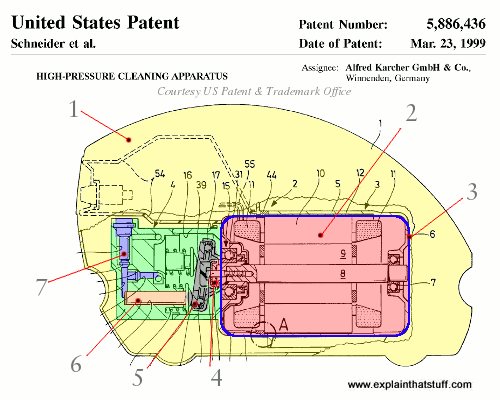
Pressure washers generate power by forcing water through a small nozzle at high speed. This process creates a strong jet of water that cleans surfaces effectively. The power comes from two main parts: the pump and the water pressure. Understanding how these work helps explain why pressure washers are so efficient.
The Role Of Water Pressure
Water pressure is the force that pushes water out of the nozzle. Higher pressure means more cleaning power. Pressure washers increase this pressure using a pump. The water moves faster, hitting dirt and grime hard. This helps clean surfaces without using harsh chemicals.
Types Of Pumps Used
Pressure washers use different pumps to increase water pressure. The two main types are axial cam pumps and triplex plunger pumps. Axial cam pumps are common in smaller machines. They are lighter and cheaper. Triplex plunger pumps are stronger and last longer. They are used in heavy-duty models. The pump type affects the machine’s power and durability.
Electric Vs Gas Models
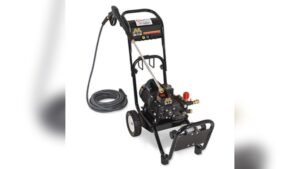
Electric pressure washers use an electric motor to drive the pump. They are quiet, lightweight, and easy to maintain. Gas models use a gasoline engine for more power. They are louder but better for tough jobs. Gas machines are more mobile because they do not need an outlet. Each type suits different cleaning needs and settings.
Key Components Of Pressure Washers
Pressure washers clean surfaces using powerful water spray. Their effectiveness depends on several key parts working together. Understanding these parts helps you use the machine better and keep it in good condition.
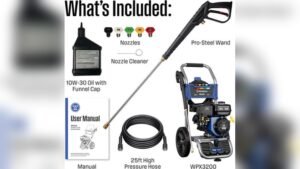
High-pressure Hose
The high-pressure hose carries water from the machine to the spray gun. It must be strong to handle high water pressure. This hose is flexible, allowing easy movement while cleaning. Some hoses have special coatings to resist damage and wear.
Nozzles And Spray Tips
Nozzles control the shape and strength of the water spray. Different spray tips create different patterns, such as a narrow jet or wide fan. Choosing the right nozzle helps clean different surfaces safely and effectively. Some nozzles also mix water with soap for better cleaning.
Trigger Gun And Wand
The trigger gun lets you control the water flow with a simple squeeze. The wand extends your reach, making it easier to clean hard-to-reach areas. Together, they offer precision and comfort during use. Some guns have safety locks to prevent accidental spraying.
How Water Pressure Cleans Surfaces
Water pressure plays a key role in cleaning surfaces effectively. Pressure washers use a strong stream of water to wash away dirt and stains. The force of the water breaks the bond between grime and the surface. This method is quick and requires less effort than scrubbing by hand.
The right water pressure can clean deeply without damaging the surface. It reaches cracks and crevices that brushes cannot. This makes pressure washers useful for many cleaning tasks around the home and garden.
Breaking Down Dirt And Grime
High-pressure water loosens dirt stuck on surfaces. It breaks the dirt into smaller pieces. The strong flow then pushes the dirt away. This helps clear mud, dust, and oily spots easily. The water pressure removes layers of grime quickly, saving time and effort.
Removing Mold And Mildew
Mold and mildew grow in damp, shaded places. Pressure washers blast these away with powerful water jets. The force cleans mold from walls, decks, and fences. This prevents damage and keeps surfaces healthy. Using pressure helps avoid harmful chemicals for mold removal.
Effectiveness On Different Surfaces
Pressure washers work well on many surfaces. Hard surfaces like concrete and brick handle high pressure safely. Wood and painted surfaces need gentler pressure to avoid damage. Adjusting the pressure setting ensures proper cleaning for each surface type. This flexibility makes pressure washers useful for various jobs.

Credit: www.explainthatstuff.com
Choosing The Right Pressure Washer
Choosing the right pressure washer is important for efficient cleaning. Different tasks need different machines. Picking the right one saves time and effort. It also protects surfaces from damage. Understanding your needs helps you select the best washer.
Assessing Cleaning Needs
Start by thinking about what you need to clean. Small patios and cars need less power. Large driveways or walls need stronger machines. Consider how often you will use the washer. Occasional use may require a lighter model. Regular heavy cleaning calls for a powerful unit.
Psi And Gpm Ratings
PSI means pounds per square inch. It shows the water pressure force. Higher PSI means stronger cleaning power. GPM means gallons per minute. It measures the water flow rate. More GPM means faster cleaning. Choose a balance of PSI and GPM for your job. High PSI with low GPM may miss dirt. High GPM with low PSI might not clean well.
Portability And Power Source
Think about where you will use the washer. Electric models are lighter and quieter. They work well for small jobs near outlets. Gas models offer more power and freedom. Good for big jobs far from power sources. Check the weight and wheel design for easy moving. Choose the power source that fits your space and needs.
Safety Tips For Using Pressure Washers
Using a pressure washer can make cleaning fast and easy. Safety is important to avoid injury and damage. Follow key tips to use pressure washers safely. Simple steps protect you and your property.
Protective Gear
Wear safety glasses to protect your eyes from spray and debris. Gloves keep your hands safe from high pressure and chemicals. Use non-slip shoes to prevent falls on wet surfaces. Long pants and sleeves protect your skin from water spray and dirt.
Avoiding Surface Damage
Test the pressure on a small area first. Use the right nozzle for the surface you clean. Keep the nozzle at least six inches away from surfaces. Avoid pointing the washer at fragile materials like wood or paint. Move the spray in smooth, even strokes to prevent marks.
Proper Maintenance
Check hoses and connections before each use for leaks or cracks. Clean nozzles regularly to keep the spray even and strong. Store the machine in a dry place to avoid rust. Follow the manufacturer’s instructions for oil changes and filter cleaning. Regular care helps the washer work well and last longer.
Common Applications Of Pressure Washers
Pressure washers use high-pressure water spray to clean surfaces quickly. They remove dirt, grime, mold, and old paint with ease. This tool suits many cleaning tasks around homes and businesses.
Pressure washers work on different materials and surfaces. They save time and effort compared to scrubbing by hand. Below are some common ways people use pressure washers.
Home Exterior Cleaning
Pressure washers clean siding, brick, and stucco walls well. They remove dirt, dust, and mildew that build up over time. Driveways, patios, and decks also become spotless after washing.
Gutters and windows get cleaned faster with less hassle. This keeps homes looking fresh and well-maintained. It also helps protect surfaces from damage caused by dirt.
Vehicle Washing
Pressure washers remove mud, salt, and bugs from cars and trucks. They reach spots that are hard to clean by hand. Washing vehicles this way saves water and cleans better.
Boats, motorcycles, and bicycles also benefit from pressure washing. It keeps them in good shape and ready to use. Gentle settings prevent damage to paint or delicate parts.
Industrial Uses
Factories and warehouses use pressure washers for heavy-duty cleaning. They remove grease, oil, and tough stains from floors and machinery. This helps maintain safety and hygiene standards.
Construction sites use pressure washers to clean equipment and surfaces. They clear away dirt and debris quickly. This prepares areas for the next phase of work.
Credit: www.kaercher.com
Frequently Asked Questions
How Does A Pressure Washer Generate High Pressure?
A pressure washer uses a motor to power a water pump. This pump forces water through a narrow nozzle, increasing its pressure. The high-pressure water effectively removes dirt, grime, and stains from surfaces, making cleaning faster and more efficient.
What Components Make Up A Pressure Washer?
Key components include a motor, water pump, high-pressure hose, and spray gun. The motor drives the pump, which pressurizes water. The hose delivers this water to the spray gun, enabling precise and powerful cleaning on various surfaces.
Can Pressure Washers Clean Different Surface Types?
Yes, pressure washers adjust pressure and nozzle settings for various surfaces. Low pressure is ideal for delicate areas, while higher pressure suits tough grime on hard surfaces. This versatility makes them effective for cleaning decks, driveways, vehicles, and more.
Why Is Nozzle Size Important In Pressure Washers?
Nozzle size controls water spray angle and pressure intensity. Smaller nozzles produce a narrow, high-pressure stream for tough stains. Larger nozzles spread water wider, reducing pressure for gentle cleaning. Choosing the right nozzle ensures effective and safe cleaning.
Conclusion
Pressure washers use strong water jets to clean surfaces quickly. They mix water with air or detergent for better results. The machine pushes water through a small nozzle, creating high pressure. This pressure removes dirt, grime, and mold easily. You can use them on patios, cars, and walls.
They save time and effort compared to scrubbing by hand. Always follow safety steps to avoid damage or injury. Understanding how pressure washers work helps you choose the right one. Clean smarter, not harder.
As an Amazon Associate, I earn from qualifying purchases.