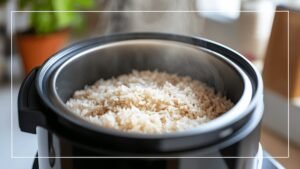
Have you ever wondered how your rice cooker seems to know exactly when your rice is perfectly cooked? You just press a button, and it stops right on time—no burnt grains, no soggy mess.
It almost feels like magic, but there’s a smart science behind it. Understanding how your rice cooker decides when to stop can help you get better results every time you cook. Keep reading, and you’ll discover the simple secrets that make your rice cooker so smart—and how you can use that knowledge to make your meals even better.
Rice Cooker Basics
Rice cookers make cooking rice easy and consistent. They take the guesswork out of cooking by using simple technology. Understanding the basics helps explain how rice cookers know when to stop cooking. This knowledge can help users get perfect rice every time.
Components Of A Rice Cooker
A rice cooker has a few key parts. The inner pot holds the rice and water. The heating element surrounds or is beneath the pot. A thermostat or sensor monitors the temperature inside. The lid traps heat and steam. A control panel lets users start or stop cooking.
These parts work together to cook rice evenly. The heating element warms the pot and water. The sensor helps decide when the rice is done. The lid keeps steam inside, which cooks the rice well.
How Rice Cooking Works
The rice cooker starts heating the water and rice. As the water heats, the temperature stays around 212°F (100°C). This keeps until all water is absorbed or evaporated. Once the water is gone, the temperature inside rises quickly.
The sensor detects this temperature rise. It sends a signal to stop heating. This stops the cooking process automatically. The rice cooker then switches to a warm mode. This keeps rice hot without overcooking it.
This simple method ensures rice cooks perfectly every time. No need to watch the pot or guess the timing. The rice cooker’s parts and process work in harmony.

Credit: recipes.howstuffworks.com
Temperature And Sensor Technology
Rice cookers use smart temperature and sensor technology to cook rice perfectly. These tools help the cooker know exactly when the rice is done. They prevent overcooking and keep rice fluffy and soft. The cooker monitors heat and moisture during cooking. This technology adjusts the cooking time automatically. Understanding how this works reveals the clever science inside a simple kitchen device.
Role Of The Thermostat
The thermostat in a rice cooker measures temperature inside the pot. It senses the heat level of the cooking surface. When rice is cooking, the temperature stays near 100°C (212°F). This is because water boils at this temperature. Once all the water is absorbed or evaporated, the temperature quickly rises above 100°C. The thermostat detects this change. It signals the cooker to stop heating. This prevents burning or drying out the rice.
Detecting Water Absorption
Rice absorbs water during cooking until it is soft and tender. Sensors in the cooker track this process. They monitor how much moisture remains in the pot. When the water is fully absorbed, the sensor notices the temperature rise. This means the rice is ready. The cooker switches to keep warm mode. This ensures rice stays warm without overcooking. The sensor technology makes rice cooking simple and foolproof.
Microcontrollers And Timers
Rice cookers use microcontrollers and timers to control the cooking process. These small computer chips act like the brain of the cooker. They track the cooking time and temperature to decide when to stop. This technology helps cook rice perfectly every time without burning or undercooking.
The microcontroller monitors heat changes inside the cooker. It checks when water has fully absorbed or evaporated. At that point, the cooker switches to warm mode or turns off. Timers help count the cooking duration based on preset programs. This smart system makes cooking easy and consistent.
Programming Cooking Cycles
Microcontrollers run different cooking cycles for rice types. These cycles are pre-programmed with specific times and temperatures. The cooker uses sensors to follow these instructions closely. It adjusts heat levels step-by-step during cooking. This process ensures the rice cooks evenly and tastes good.
Each cycle matches a rice style, like white or brown rice. The cooker knows when to lower heat or stop cooking. It relies on the microcontroller’s commands to finish perfectly.
Adjusting For Rice Types
Rice cookers can change settings for various rice types. Microcontrollers use timers and sensors to detect rice moisture and heat levels. They extend or shorten cooking time based on these readings.
For sticky rice, the cooker adds more time and gentle heat. For quick-cooking rice, it reduces time to avoid overcooking. This adjustment happens automatically inside the microcontroller’s system. It makes the cooker flexible for many rice varieties.
Pressure And Moisture Sensors
Rice cookers use pressure and moisture sensors to cook rice perfectly. These sensors monitor the steam pressure and moisture inside the cooker. They help the cooker know when the rice is done. This technology prevents overcooking or undercooking.
Advanced Sensor Integration
Pressure and moisture sensors work together inside the cooker. The pressure sensor measures steam pressure during cooking. The moisture sensor tracks the amount of water left in the rice. These sensors send data to the cooker’s control board. The cooker adjusts heat based on this information. This helps keep the rice at the right texture and softness.
Improving Cooking Precision
These sensors make cooking rice more precise and consistent. They detect small changes in pressure and moisture quickly. The cooker stops heating once sensors signal the rice is ready. This avoids mushy or dry rice. Users get perfectly cooked rice every time. Sensors also save energy by stopping cooking early.
Automatic Switch To Keep Warm
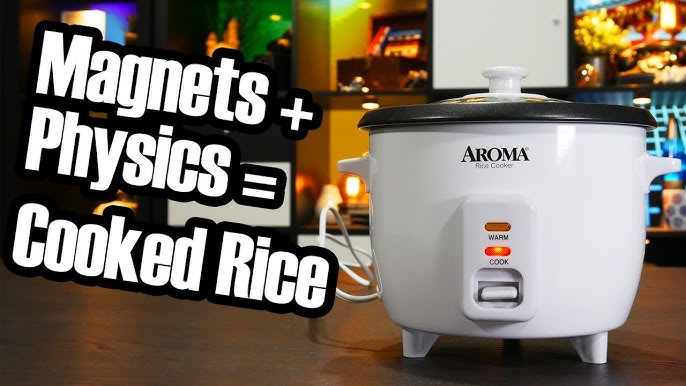
Rice cookers have a clever feature called the automatic switch to keep warm. This function activates once the rice finishes cooking. It helps keep the rice at a perfect temperature until you are ready to eat. This way, your rice stays fresh and warm without overcooking or drying out.
How The Transition Happens
The rice cooker senses when the water inside the pot fully evaporates. At this point, the temperature inside the cooker rises above 212°F (100°C). The cooker’s thermostat detects this change. It then switches from the cooking mode to the keep warm mode automatically. This change lowers the heat to a gentle level. It stops the rice from burning while maintaining warmth.
Benefits Of Keep Warm Mode
This mode saves time by holding rice ready to eat. It prevents rice from cooling and becoming hard. The keep warm mode uses less energy than full cooking. It also reduces the need to reheat rice later. This feature makes mealtime more convenient and enjoyable. It keeps rice soft and tasty for hours.
Credit: www.youtube.com
Energy Efficiency In Rice Cookers
Rice cookers use smart technology to save energy while cooking. They adjust power use based on the cooking stage. This helps reduce electricity bills and supports a greener planet. Energy efficiency is key to their design.
Minimizing Power Consumption
Rice cookers lower power once the water boils. Sensors detect steam and temperature changes. The cooker shifts to a low-power mode to keep rice warm. This method uses less electricity than constant high heat. It prevents wasting energy after cooking finishes.
Eco-friendly Features
Many rice cookers have energy-saving modes. Timers help cook only when needed. Some models use insulated pots to keep heat inside. This reduces the need for extra power. Using less energy means a smaller carbon footprint.
Future Trends In Rice Cooker Technology
The future of rice cookers looks bright with new technology. These devices will become smarter and easier to use. They will do more than just cook rice. Expect features that save time and improve taste. Rice cookers will connect with other gadgets and learn your preferences. This will make cooking more personal and efficient.
Smart Connectivity
Rice cookers will connect to smartphones and smart home systems. This lets users control cooking from anywhere. Adjust settings using an app. Receive alerts when rice is ready. Smart connectivity adds convenience and flexibility. It also helps in planning meals better.
Ai And Machine Learning Integration
AI will help rice cookers learn your cooking habits. The cooker will adjust temperature and time automatically. It will improve rice texture based on past results. Machine learning means the device gets better with use. It can suggest recipes and cooking tips. This makes the process simpler and more enjoyable.
Credit: www.reddit.com
Frequently Asked Questions
How Do Rice Cookers Detect When Rice Is Cooked?
Rice cookers sense temperature changes in the pot. When water evaporates, the temperature rises above 212°F. This signals the cooker to stop heating and switch to warming mode, ensuring perfectly cooked rice without burning.
What Technology Helps Rice Cookers Stop Automatically?
Most rice cookers use a thermostat or microchip sensor. These devices monitor temperature and moisture levels. When cooking completes, they trigger the cooker to stop heating, preventing overcooking and saving energy.
Can Rice Cookers Overcook Rice If Sensor Fails?
Yes, if the sensor malfunctions, the cooker may overcook rice. This can cause burning or drying. Regular maintenance and using quality cookers reduce this risk, ensuring consistent cooking results.
Do All Rice Cookers Use The Same Stopping Mechanism?
No, rice cookers vary in technology. Basic models use simple thermostats, while advanced ones have fuzzy logic microchips. These provide more precise control and better cooking outcomes.
Conclusion
Rice cookers stop cooking by sensing water temperature changes. They detect when water evaporates and rice starts to dry. This triggers the cooker to switch off or keep warm. This simple method helps cook rice perfectly every time. Understanding this makes using rice cookers easier and safer.
You get fluffy rice without guessing or watching closely. Knowing how they work can improve your cooking skills. Rice cookers save time and effort in the kitchen. They offer a convenient way to prepare rice with less worry.
As an Amazon Associate, I earn from qualifying purchases.